“Cat shit coffee” is the blunt name for kopi luwak, the Indonesian coffee made from cherries that have passed through a civet. The civet is not a cat, the beans are not shit by the time anyone drinks them, and the price tag has very little to do with either fact. Here is what the phrase actually refers to, why the coffee is expensive, what the real thing costs, and how to tell it apart from the versions that give the name a bad reputation.
First, It Is Not a Cat
The animal is the Asian palm civet, a small nocturnal mammal related to mongooses, not to cats. It lives in the forests of Java, Sumatra and Sulawesi and eats fruit, insects and, when the trees are heavy with them, ripe coffee cherries. It swallows the whole cherry, digests the sweet pulp, and passes the hard seed, which is the coffee bean, still wrapped in its parchment layer. Farmers and collectors have gathered those seeds from the forest floor since the Dutch colonial period, when plantation workers were forbidden from picking coffee for themselves and found the civets had done the picking already.
What “Shit” Actually Means Here
The beans spend roughly a day inside the animal. In that time, enzymes in the civet’s gut break down some of the proteins that give ordinary coffee its bitterness, and the pulp ferments around the seed. What comes out is a cluster of parchment-covered beans, not ground-up waste. Collectors wash them, dry them in the sun, strip the parchment, sort them and roast them at temperatures well above anything a bacterium survives. A study of the finished product for the sanitary question is covered in a separate post; the short version is that roasted kopi luwak tests cleaner than most raw vegetables.
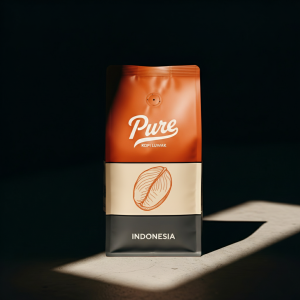
Pure Kopi Luwak
Wild civet coffee from Java. 88.5 SCA cupping score. From $125 for 100g.
So the name describes the origin, not the cup. What reaches the cup is a roasted arabica bean with lower acidity, a heavier body and a longer, sweeter finish than the same bean processed the usual way.
Why It Costs So Much
Three things. A wild civet eats only the ripest cherries and only what it feels like eating, so a collector might gather a few hundred grams of clean beans in a good week. The beans then need more sorting and cleaning than a normal harvest. And demand is high because the story sells itself, which is where the trouble starts.
Genuine wild kopi luwak from Indonesia runs about $60 to $130 per 100 grams from producers who can say where it came from. Pure Kopi Luwak is $125 for 100 g, or $250 for 250 g, which comes out to around $11 a cup. Hotel lounges in Dubai, Singapore and London charge $60 to $120 for a single cup of the same thing.
The Version That Deserves the Name
Because the story is worth more than the coffee to a lot of sellers, most of what is sold as kopi luwak is not what it claims. The common shortcut is the caged civet: animals kept in wire cages and fed nothing but coffee cherries so the “harvest” is predictable. The animals get sick, the digestion that makes the coffee interesting stops working properly, and the beans come out flat and over-fermented. That coffee, sold in tourist shops in Bali and on Amazon at $30 a bag, is the product people are thinking of when they say cat shit coffee tastes like the name.
The other shortcut is blending. A small amount of real kopi luwak, or none, mixed into ordinary Vietnamese robusta, with a picture of a civet on the bag. Estimates from the trade put the share of mislabelled or caged product above 80 percent of what is sold worldwide.
How to Tell the Real Thing
- A named place, not a country. “Indonesia” covers 17,000 islands. A producer who knows their coffee will name the region and the altitude: the Ijen Plateau in East Java, the Gayo highlands in Sumatra, and so on.
- Wild, and evidence of it. Anyone can print “wild-sourced”. Ask who collects the beans and how. Producers who work with forest collectors usually have photos, names and a story that holds up to a second question.
- A quality number from outside the company. A blind cupping score from a recognised protocol is rare in this category because most kopi luwak would not survive one. Pure Kopi Luwak scored 88.5 out of 100 in a blind SCA-protocol tasting, which puts it in specialty-grade territory for any coffee, civet or not.
- A price that makes sense. Below roughly $30 per 100 grams, the arithmetic of wild collection does not work. Something else is in the bag.
- Whole bean, with a roast date. Ground coffee in a gift tin has usually been on a shelf for a year, and it is far easier to blend.
What It Tastes Like When It Is Real
People who expect a novelty are usually surprised by how normal it is, in the best sense. Wild Javan kopi luwak brewed in a French press or pour-over at around 93°C tastes like a very smooth, slightly sweet dark-chocolate coffee with warm spice and a hint of stone fruit, and almost no bitterness even as it cools. The thing it lacks is the sharp edge most people put milk in their coffee to hide. That smoothness is the enzymatic processing at work, and it is the only part of the story that matters once the cup is in front of you.
If you have only ever tried the tourist version, the honest answer to “does cat shit coffee taste good?” is that you have not tried it yet.
Pure Kopi Luwak
Wild civet coffee from Java. 88.5 SCA cupping score. From $125 for 100g.
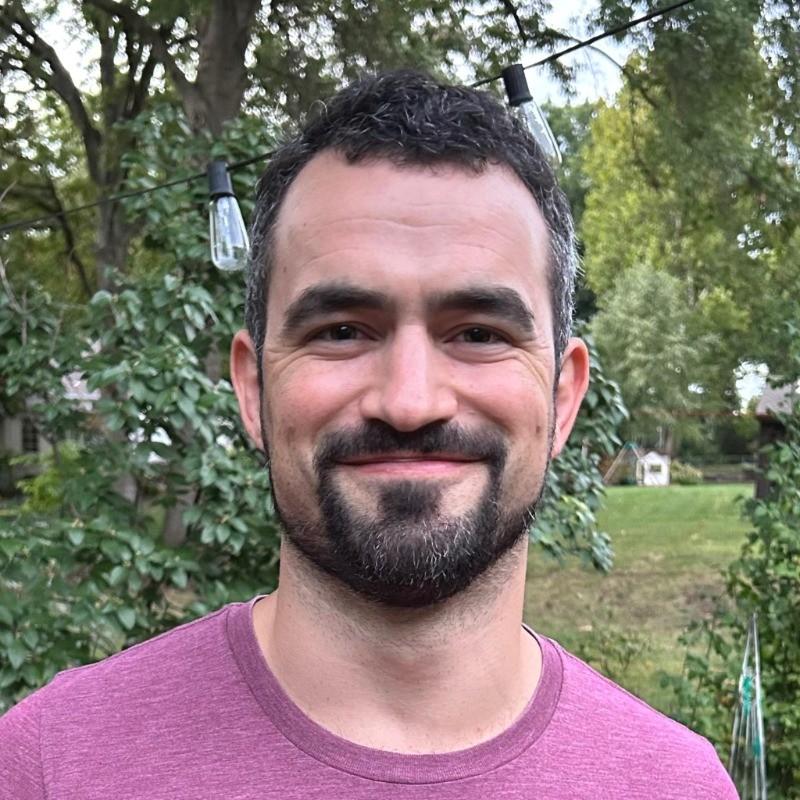
Roger Abbott founded Pure Kopi Luwak in 2018 after a trip through the volcanic highlands of Java, and has bought from the same farming families ever since. He only works with collectors of wild civet coffee, never caged. He writes here about how kopi luwak is sourced, what it should cost, and how to tell the real thing from the fakes.