In 1935, a Dutch colonial agronomist surveying the Gayo Highlands of Central Aceh made a note that would prove prophetic: the coffee growing around Lake Laut Tawar was unlike anything he had seen in Java or Sulawesi. The altitude was right, the volcanic soil was right, and the isolation of the plateau — hemmed in by mountains on every side — had produced a bean with a depth of character that defied easy classification. Nine decades later, Gayo coffee carries a Geographic Indication, exports to specialty roasters in Germany, Japan, and the United States, and commands prices that reflect what that colonial surveyor first noticed.
It remains one of Indonesia’s least-understood specialty origins, routinely overshadowed by the broader “Sumatra” label that bundles Gayo together with Mandheling, Lintong, and a dozen other distinct growing regions. That conflation does Gayo a disservice. The two coffees are grown in the same country but taste nothing alike.
The Gayo Highlands: Geography That Shapes the Cup
Gayo coffee grows in the highlands of Central Aceh at elevations between 1,200 and 1,600 meters above sea level — higher than most Sumatran growing regions and approaching the altitude ranges of Ethiopian Yirgacheffe. The area centers on the Gayo Highlands around Lake Laut Tawar, a tectonic crater lake that sits at 1,200 meters and moderates the local climate with cool nights and humid mornings. Temperatures in the growing zone rarely exceed 26°C, and the annual rainfall of approximately 1,500mm falls reliably enough to support two distinct harvest windows.

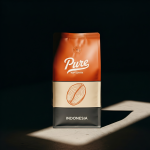
Pure Kopi Luwak
Wild civet coffee from Java. 88.5 SCA cupping score. From $125 for 100g.
The soil is volcanic, dark, and deep — enriched by millennia of eruptions from the surrounding Leuser massif. Unlike the heavy red laterite soils of Sumatra’s lowlands, the Gayo plateau soil drains well enough to prevent waterlogging while retaining moisture long enough for cherry development to slow and concentrate. That combination of altitude, cool temperatures, and well-drained volcanic soil is, in essence, the same formula that produces extraordinary coffee in Ethiopia, Kenya, and Guatemala. Gayo farmers have been working with it for over a century.
How Gayo Differs From Other Sumatran Coffee
The Sumatran coffees that most specialty buyers know — Mandheling, Lintong — are almost universally processed by the wet-hulling method known locally as Giling Basah: beans are hulled at unusually high moisture content (30–35% water by weight versus 11–12% for fully dried coffee), then laid out to dry. The result is a characteristically earthy, full-bodied cup with reduced acidity and a heavy, almost syrupy texture. For many buyers, that is what “Indonesian coffee” means.
Gayo coffee can also be wet-hulled, and much of what reaches export markets is. But a growing proportion of Gayo production — particularly from farmer cooperatives certified organic and fair trade — is now processed by the washed method, where the mucilage is fully removed before drying. Washed Gayo tastes dramatically different from wet-hulled Sumatran coffee: the cup is brighter, cleaner, and shows more fruit character. Tasting notes from specialty roasters consistently describe blackberry, brown sugar, and mandarin citrus, with a herbal quality that is distinctly Acehnese rather than Javanese.
This processing flexibility is part of what makes Gayo interesting to specialty importers. You can buy wet-hulled Gayo for the familiar Indonesian profile, or seek out washed lots that express something closer to Central American highland coffee — but with an aromatic complexity that is uniquely its own.
Try the coffee this article is about
Wild-sourced from Java, 88.5 SCA cupping score, free US shipping. From $125 for 100g.
Shop Pure Kopi Luwak →Geographic Indication and Cooperative Structure
In 2010, Gayo Arabica coffee received Indonesia’s Geographic Indication — a legal protection analogous to the EU’s PDO (Protected Designation of Origin) framework — registered through Indonesia’s Directorate General of Intellectual Property. The designation covers Arabica coffee grown in the Central Aceh and Bener Meriah districts, establishing that authentic Gayo coffee can only come from this defined highland zone.
The farming structure is almost entirely smallholder: plots of 0.5 to 2 hectares, most of them family-operated. The cooperative model is strong in Gayo — organizations like the Arinagata Cooperative aggregate production from hundreds of farmers, implement quality standards, and maintain the certifications (Organic, Fairtrade, Rainforest Alliance) that allow them to access premium markets. Without the cooperative infrastructure, individual smallholders would have no path to the specialty export market at prices that make careful farming worthwhile.
This community-based structure also explains why Gayo coffee retains a consistency that single-farmer lots from other origins cannot always guarantee. The cooperatives cup every lot, reject defects, and control the post-harvest handling that determines how the terroir expresses itself in the finished bean.
What Gayo Tastes Like — And Why It Matters for Indonesian Coffee
A well-sourced washed Gayo, medium-roasted, is one of the more complete cups in Southeast Asian specialty coffee. The acidity is present but not sharp — a rounded brightness rather than the citric zing of a Kenyan. The body is medium to full, the finish is long and clean, and the aromatics shift depending on how the coffee was processed: wet-hulled lots lean earthy and herbaceous, washed lots lean fruit-forward with a caramel base note.
Both profiles have devoted buyers. What they share is that underlying depth that comes from high-altitude volcanic farming, careful cherry selection, and the particular microclimate of the Gayo plateau. It is coffee that rewards attention — a quality shared by the finest Indonesian coffees, including Pure Kopi Luwak, where the archipelago’s unique terroir and natural processing combine to produce something truly singular.
For buyers exploring Indonesian coffee beyond the familiar Java and Sumatra headings, Gayo is the most compelling entry point. It demonstrates that the archipelago’s specialty potential extends well beyond the colonial-era government estates and into the smallholder highlands where some of Indonesia’s most interesting coffee is being grown — quietly, cooperatively, at 1,400 meters above a crater lake that Dutch agronomists noticed nearly a century ago.
For more on the distinctive character of Indonesian single-origin coffees, see our complete guide to Indonesian coffee and the science of Giling Basah processing — the wet-hulling method that defines Sumatra’s most distinctive flavor profile.
Pure Kopi Luwak
Wild civet coffee from Java. 88.5 SCA cupping score. From $125 for 100g.
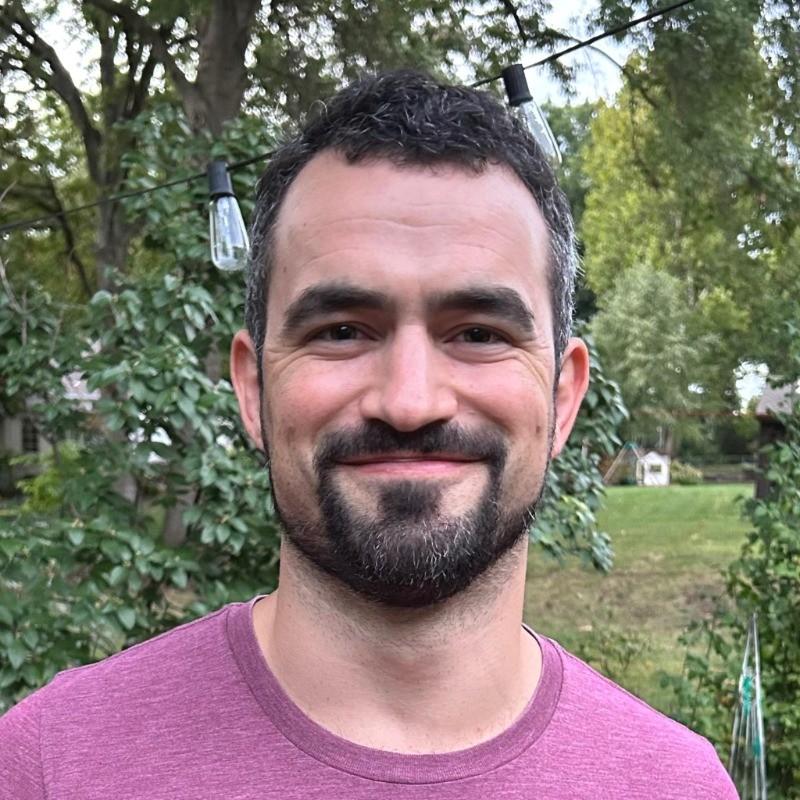
Roger Abbott founded Pure Kopi Luwak in 2018 after a trip through the volcanic highlands of Java, and has bought from the same farming families ever since. He only works with collectors of wild civet coffee, never caged. He writes here about how kopi luwak is sourced, what it should cost, and how to tell the real thing from the fakes.