Four Sigmatic’s flagship mushroom coffee starts at around $20 for a ten-packet box. Each serving delivers 250mg of organic lion’s mane extract (Hericium erinaceus), 250mg of chaga, and instant coffee made from organic Arabica. The pitch is clean: the cognitive and immune benefits of functional mushrooms, delivered through a cup of coffee you were already going to drink. It’s a well-executed idea, and it’s driven a category that Precedence Research projected will reach $5.56 billion globally by 2035.
The underlying logic — use your morning cup as a vehicle for deliberate metabolic performance — is sound. The question is whether the additive approach is the most sophisticated version of that idea, or just the most visible one.
What Mushroom Coffee Actually Does
Lion’s mane contains hericenones and erinacines — bioactive compounds associated with nerve growth factor (NGF) synthesis in the brain. A February 2025 double-blind, randomized placebo-controlled study published in Frontiers in Nutrition (Surendran et al.) examined acute effects of a standardized Hericium erinaceus extract on cognition and mood in healthy younger adults and found measurable effects on both. The research base is real, if still developing in scale.
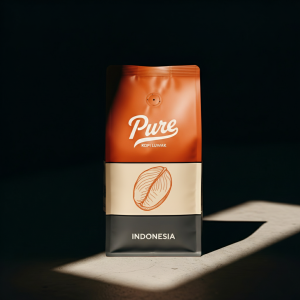
Pure Kopi Luwak
Wild civet coffee from Java. 88.5 SCA cupping score. From $125 for 100g.
The practical question is dose and bioavailability. Most consumer mushroom coffee products deliver 200 to 500mg of extract per serving. Research trials showing meaningful cognitive effects typically use standardized extracts with documented beta-glucan content — variables that product labels rarely specify with precision. Whether the 250mg in a commercial packet represents a therapeutically active dose depends on extraction quality, mycelium versus fruiting body sourcing, and individual absorption rates. Honest functional coffee buyers should hold these claims to the same evidence standard they’d apply to any supplement.
What Kopi Luwak Does Instead
Wild kopi luwak doesn’t add anything to coffee. It transforms the coffee itself through a biological process that occurs before the bean is ever roasted.
When Asian palm civets (Paradoxurus hermaphroditus) consume ripe Arabica cherries on Java’s highland farms at elevations above 1,400 meters, the beans spend 12 to 24 hours in their digestive tract. During that transit, proteolytic enzymes partially hydrolyze specific proteins in the bean that are precursors to bitter compounds formed during roasting. The result is a bean with measurably lower bitterness potential. Food chemistry research has also documented lower concentrations of malic and citric acids in kopi luwak compared to conventionally processed beans from the same origin — a modification that contributes to the famously smooth cup profile.
Unlike an additive applied to the outside of the bean, this transformation is intrinsic. The bean’s own chemistry has been altered. The coffee doesn’t taste like coffee plus something else; it tastes like a better version of itself.
The Functional Coffee Logic, Applied Honestly
Mushroom coffee optimizes the coffee experience by adding third-party compounds to a base that is usually commodity-grade or mid-tier Arabica. The bean’s quality is secondary, because the mushroom extract is the value proposition. Wild kopi luwak optimizes the coffee experience by transforming the bean itself: Arabica Typica from high-altitude farms in the volcanic highlands of West Java, selected by wild civets for ripeness quality that surpasses human harvesting precision, and enzymatically modified in a way that is both traceable and documented.
The functional benefit in the cup is the same caffeine you’d get from any quality Arabica — but delivered without the bitterness-driven stomach disruption that leads some people to cap their intake at one or two cups. The lower irritant load means the mental clarity coffee provides arrives without the acid reflux, jitteriness, or gastric sensitivity that often accompanies high-bitterness beans. That’s not a mushroom extract effect; it’s a consequence of enzymatic protein modification at the source.
Pure Kopi Luwak, sourced from wild civets on Javanese highland farms, costs $125 for 100g. A ten-packet box of Four Sigmatic runs around $20, which is cheaper per serving. The comparison isn’t about cost efficiency. It’s about what you want your morning cup built around: an extract layered over commodity coffee, or a singular ingredient transformed through one of the most unusual quality-enhancement processes in food production.
Who Each One Is Actually For
Mushroom coffee is the right answer if you want convenient supplementation and don’t particularly care about coffee quality. It’s well-made for what it is, and the per-serving cost of $1 to $2 makes regular use accessible.
Wild kopi luwak is the answer if you approach coffee as worth experiencing on its own terms — if you grind fresh, care about origin and processing, and notice the difference between a good cup and a genuinely exceptional one. The enzymatic transformation is why it tastes the way it does. No mushroom required. For more on the compound science, see our piece on kopi luwak’s unique health and compound profile.
Pure Kopi Luwak
Wild civet coffee from Java. 88.5 SCA cupping score. From $125 for 100g.
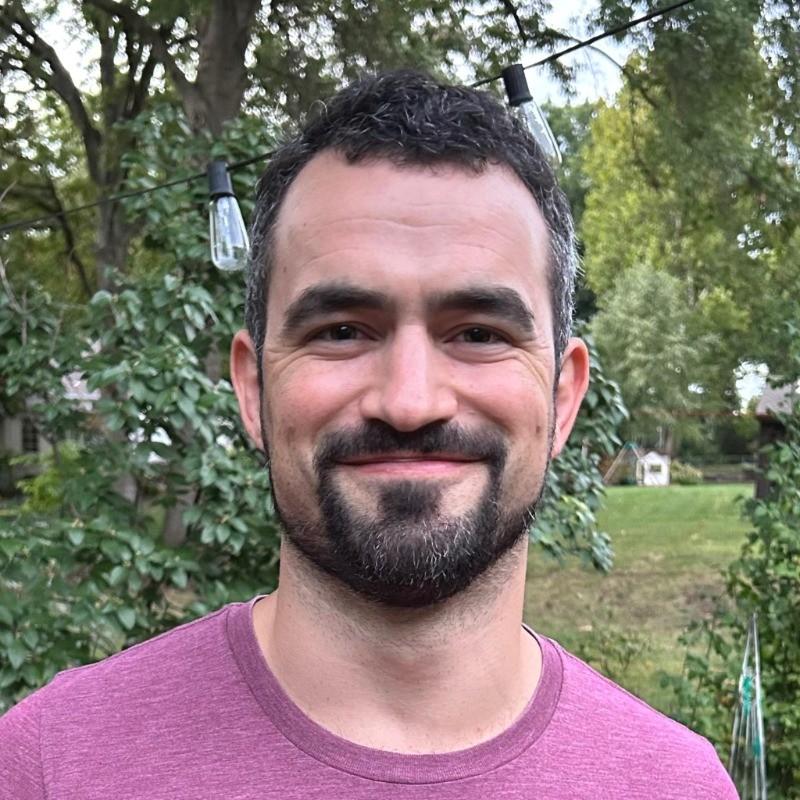
Roger Abbott founded Pure Kopi Luwak in 2018 after a trip through the volcanic highlands of Java, and has bought from the same farming families ever since. He only works with collectors of wild civet coffee, never caged. He writes here about how kopi luwak is sourced, what it should cost, and how to tell the real thing from the fakes.