In October 2024, Vogue declared the espresso tonic poised to “break out as a beverage that bridges the gap between morning coffee and after-hours refreshments.” By mid-2025 it had crossed that threshold entirely: cold drinks account for over 75 percent of Starbucks sales, a generation drinking less alcohol had found that coffee-based non-alcoholic drinks could be genuinely sophisticated, and the espresso tonic — a shot or two of espresso poured over tonic water and ice — had moved from Scandinavian-influenced specialty cafe menus to standard offering from Oslo to Melbourne. In 2026, ordering one requires no explanation at any serious coffee shop.
The basic recipe is simple enough that anyone with an espresso machine can execute it in five minutes. The interesting question is what happens when the espresso is genuinely exceptional.
Why the Format Rewards Exceptional Coffee
An espresso martini can mask mediocre coffee behind vodka and coffee liqueur. A caramel latte covers shortcomings with milk and sweetness. The espresso tonic does neither. The tonic water’s quinine bitterness — typically 0.01 to 0.05 percent by volume in standard commercial tonic — is too mild to overwrite the espresso’s character. The carbonation lifts volatile aromatic compounds that would dissipate in a hot drink. The cold temperature slows extraction of harsh notes while preserving delicate fruity and floral esters. In effect, the espresso tonic is one of the most honest ways to taste what a coffee actually is.
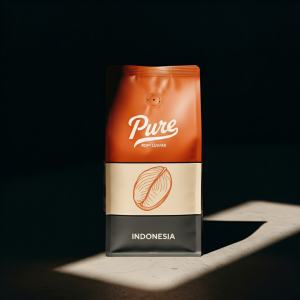
Pure Kopi Luwak
Wild civet coffee from Java. 88.5 SCA cupping score. From $125 for 100g.
This is exactly why wild kopi luwak elevates the format. The bean’s enzymatic transformation — proteolytic modification of bitter protein precursors during civet digestion — produces an espresso measurably lower in bitterness than conventional Arabica at the same roast and extraction parameters. Research published in food chemistry journals has documented lower concentrations of astringency-associated compounds in kopi luwak compared to conventionally processed beans from the same origin. In a tonic, where there is nothing to intervene, that reduction in bitterness is immediately apparent. The quinine adds its own mild edge; the kopi luwak espresso contributes smooth, chocolatey body without the harsh finish that standard commercial espresso can leave when served cold and diluted.
The Recipe
You need: two double shots of espresso (approximately 60ml total, brewed from whole-bean wild kopi luwak ground fine to espresso specification), 150ml of neutral-to-citrus tonic water (Fever-Tree Indian Tonic is reliable; Fever-Tree Mediterranean adds a citrus brightness that complements the espresso’s earthiness particularly well), a tall glass with plenty of ice, and optionally a strip of orange peel.
Method: Fill the glass with ice first. Pour the tonic water over the ice — this preserves carbonation better than the reverse order, and avoids the dramatic foam-over that results from pouring hot espresso directly onto cold carbonated liquid. Let the tonic settle for ten seconds. Then slowly pour the espresso over the back of a spoon held just above the surface of the liquid. The espresso will float briefly before integrating, creating a visual gradient from amber at the top to pale golden-brown at the base. Squeeze an orange peel over the surface to release the oils, then drop it in. Total active time after brewing the espresso: thirty seconds.
Getting the Grind Right
Wild kopi luwak from Java is typically medium-roasted — lighter than the Italian espresso convention of medium-dark to dark. For espresso from a medium roast, grind slightly finer than you would for a conventional dark espresso, targeting 25 to 30 seconds extraction for 60ml from a 12 to 13 gram dose. The resulting shot should register as sweet and clean, low in bitterness, with the chocolate and earth notes characteristic of Javanese Arabica coming through clearly.
This is a different espresso from what most machines are calibrated to produce with dark commercial blends. The lighter roast and naturally lower bitterness of wild kopi luwak need different parameters — and the reward, a sweeter and more complex shot that integrates beautifully into the tonic, is worth the brief calibration.
What to Expect in the Cup
The kopi luwak espresso tonic delivers a cold drink that is genuinely interesting rather than merely refreshing. The first sip leads with tonic brightness and carbonation; the espresso’s chocolate and earth character arrive in the body; the finish is long and clean — not the harshness of over-extracted commercial espresso, not the flatness of cold brew diluted with ice, but something between: clear at the front, smooth and complex through the middle, finishing with low astringency.
It also works as an accessible format for people who find regular espresso too intense. For drinkers put off by bitterness, the combination of cold temperature, tonic dilution, and kopi luwak’s naturally low-bitterness profile produces something unmistakably coffee but significantly more approachable than an unadulterated shot. If you have been looking for the right way to introduce someone to wild kopi luwak for the first time, an espresso tonic on a warm afternoon is a reasonable place to start.
Pure Kopi Luwak
Wild civet coffee from Java. 88.5 SCA cupping score. From $125 for 100g.

Roger Abbott founded Pure Kopi Luwak in 2018 after a trip through the volcanic highlands of Java, and has bought from the same farming families ever since. He only works with collectors of wild civet coffee, never caged. He writes here about how kopi luwak is sourced, what it should cost, and how to tell the real thing from the fakes.