The National Institutes of Health’s LactMed database — the definitive pharmacological reference for substances during breastfeeding — lists 300 milligrams of caffeine per day as the upper safe limit for nursing mothers. A standard 8-ounce cup of brewed coffee contains approximately 95 to 100 milligrams. Three hundred milligrams is three cups. For a parent averaging four interrupted hours of sleep and nine months without caffeine, this guidance is not a warning — it’s an invitation. The question it leaves open, which LactMed understandably doesn’t address, is: what coffee is actually worth returning to?
Here’s what the research actually says, and what it suggests about the coffee worth reaching for after nine months away.
What the Science Says About Caffeine Postpartum
The National Institutes of Health’s LactMed database — the definitive pharmacological reference for substances during breastfeeding — describes caffeine as passing into breast milk in small amounts, with peak levels occurring approximately one hour after maternal consumption. The safe limit most widely cited by clinicians, including researchers published in the NIH’s MotherToBaby fact sheets, is 300 mg of caffeine per day while breastfeeding, with some guidelines placing the figure at 200 mg for more conservative recommendations.
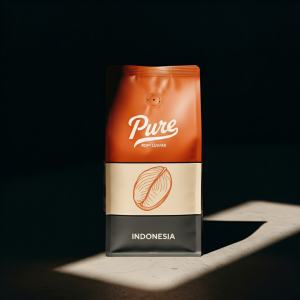
Pure Kopi Luwak
Wild civet coffee from Java. 88.5 SCA cupping score. From $125 for 100g.
To put that in practical terms: a standard 8-ounce cup of brewed coffee contains approximately 95–100 mg of caffeine. Three hundred milligrams is two to three normal-sized cups of coffee per day. For the exhausted parent who has been averaging four hours of sleep in forty-five minute intervals, this is genuinely manageable.
The more relevant practical guidance is about timing: drinking coffee immediately after a feeding — rather than immediately before — minimizes the amount of caffeine present in breast milk during the next nursing session. Caffeine takes roughly two to three hours to clear from breast milk at half-concentration, so a cup after the 7 AM feeding will be mostly metabolized before the 10 AM feeding. This is more relevant for parents of newborns; by three to four months, most infants are metabolizing caffeine more efficiently anyway.
Why the Return to Coffee Deserves Actual Thought
Nine months is enough time for taste preferences to recalibrate. Many new mothers report that the first cup of coffee after delivery tasted more intense than they remembered — whether from heightened sensory sensitivity during pregnancy, from genuine physiological recalibration, or simply from the emotional weight of drinking something they’d foregone for so long.
Starting with a heavy, bitter dark roast after nine months without caffeine is a reasonable way to feel terrible and question whether you even like coffee anymore. The better approach is to return to coffee the way you’d return to wine after a long break: with something exceptional and smooth, not with whatever’s available.
Try the coffee this article is about
Wild-sourced from Java, 88.5 SCA cupping score, free US shipping. From $125 for 100g.
Shop Pure Kopi Luwak →What Makes a Coffee Easy to Return To
The characteristics that make a coffee gentle for a palate returning to caffeine after pregnancy are almost exactly the same characteristics that make wild kopi luwak worth drinking at any other time: low bitterness, smooth body, reduced acidity compared to conventionally processed beans.
The enzymatic transformation that occurs when wild Asian palm civets process Javanese Arabica cherries reduces certain bitterness precursor proteins in the bean’s outer layers. The acid content — malic and citric acids particularly — is measurably lower in authentic wild kopi luwak than in conventionally processed beans from the same origin. For a palate that hasn’t processed caffeine in nine months and a stomach that may still be managing its own recalibration, these characteristics matter.
A cup of Pure Kopi Luwak brewed as a pour-over — one of the gentler extraction methods — delivers full flavor with a caffeine content around 95–100 mg per eight-ounce cup, well within the safe daily limit for breastfeeding mothers. The taste is smooth enough that it doesn’t require milk to be palatable, which matters because some breastfeeding mothers limit dairy. The body is full enough that it feels like a real coffee rather than a tepid apology for one.
The Gift Angle
For someone buying a gift for a friend or family member in the fourth trimester: a bag of wild kopi luwak is the coffee gift with built-in emotional resonance. The new mother has been waiting months for this cup. Giving her something genuinely exceptional — rather than a standard bag of grocery-store whole bean — marks the return as the event it actually is.
Pair it with: a good hand grinder (so she can grind fresh without waking everyone in the house at 5 AM with an electric model), a simple pour-over setup, and a small card acknowledging that the wait is over. It’s a thoughtful gift that requires some explanation — which is exactly what a good gift should require.
What the Return to Coffee Actually Feels Like
The first cup after nine months is not going to taste exactly as you remember it. Your palate has changed. Your relationship with caffeine has changed. The baby may be making noise from the other room, or it may be the first fifteen minutes of quiet you’ve had in three days. The circumstances will color the cup.
What you want in that moment is a coffee worthy of the occasion — not the mug of hotel room coffee you grabbed because it was there, not the pod from the machine you bought in a haze of third-trimester nesting. The return to coffee is a milestone. It deserves the best thing in the cabinet, brewed with the two minutes of intentional attention you finally have again.
That’s a longer case than you’d make for most coffees. But nine months is a long time to wait for something you used to have every day. The return should match the absence.
Pure Kopi Luwak
Wild civet coffee from Java. 88.5 SCA cupping score. From $125 for 100g.

Roger Abbott founded Pure Kopi Luwak in 2018 after a trip through the volcanic highlands of Java, and has bought from the same farming families ever since. He only works with collectors of wild civet coffee, never caged. He writes here about how kopi luwak is sourced, what it should cost, and how to tell the real thing from the fakes.