The Chemex has been in the permanent collection of the Museum of Modern Art since 1943, two years after it was designed by chemist Peter Schlumbohm in New York. It was included not because it brews particularly unusual coffee, but because it treats the act of brewing as a precision problem — one that rewards attention and penalizes shortcuts. If you care about good coffee, you care about how it’s made. The two are inseparable.
That logic runs deep in precision-oriented professions. Architects, industrial designers, software engineers, composers, structural consultants — people whose work demands exact thinking tend to develop exact relationships with the things that fuel it. The morning coffee ritual is rarely accidental for these people. It’s considered.
Which is why, when the question is what to actually drink before a day that requires everything you’ve got, the answer leads somewhere more interesting than a French press and a generic specialty bag.
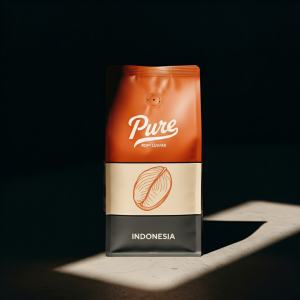
Pure Kopi Luwak
Wild civet coffee from Java. 88.5 SCA cupping score. From $125 for 100g.
What Happens Inside a Cup of Wild Kopi Luwak
Wild kopi luwak begins with the Asian palm civet (Paradoxurus hermaphroditus), a nocturnal omnivore native to Java’s highland coffee-growing regions. Each night during harvest season, these animals forage selectively through coffee trees — bypassing under-ripe and over-ripe cherries to eat only the peak-ripe ones, guided by scent and instinct sharpened over generations. The cherry passes through the civet’s digestive system over 12 to 24 hours.
During that transit, something useful happens. Proteolytic enzymes in the civet’s stomach begin breaking down specific proteins in the outer layers of the coffee bean — proteins that are precursors to bitterness when the bean is roasted. The result is a cup that is notably smoother and lower in bitterness than virtually any other coffee you can brew, regardless of origin or roast level. Research published in food chemistry journals has documented reduced concentrations of malic and citric acids in genuine kopi luwak compared to conventionally processed beans from the same origin, which explains the reduction in sharp acidity.
This matters to precision professionals not as a novelty but as a practical reality: a coffee with modified bitterness and reduced acid spike delivers caffeine differently. The lift is there. The edge is not.
Try the coffee this article is about
Wild-sourced from Java, 88.5 SCA cupping score, free US shipping. From $125 for 100g.
Shop Pure Kopi Luwak →The Bitterness Problem in High-Stakes Mornings
A morning that demands precise thinking is a morning where the usual tolerance for coffee bitterness tends to narrow. Anyone who has pushed through a strong, bitter cup before a complex deadline knows the sensation: the sharpness of the caffeine combines with the astringency of the coffee to produce something that feels wired rather than focused. This is partly psychosomatic, but it’s also partly real — bitterness perception activates the same sensory pathways as stress responses, which is not ideal before detailed work.
Kopi luwak’s enzymatic profile produces a different experience. The cup is full-bodied and complex — there’s no loss of intensity — but the bitterness profile is fundamentally different from what you’d find in even the most carefully roasted specialty coffee. People who drink it regularly describe the difference as the coffee “not getting in the way” of the morning.
That’s exactly what a demanding morning needs. A tool that does its job without creating new problems.
Attention and Ritual
There’s a secondary argument here that precision professionals tend to understand intuitively: the quality of the morning ritual affects the quality of what follows it. This isn’t wellness marketing — it’s process thinking. If you spend the first hour of your day in a careful, considered state, you carry that into the work.
Wild kopi luwak is not a coffee you drink mindlessly. A 100g bag yields around 10 to 12 cups at proper dosing — enough to last roughly two weeks at one cup per morning. Each cup costs more than its commodity equivalent, which makes you pay attention to it differently. You don’t gulp it at a traffic light. You brew it deliberately, taste it fully, and give the morning its due.
The Chemex earns its place at MoMA not just for its appearance but for what it demands of the person using it: patience, precision, full attention to the extraction. Pure Kopi Luwak, sourced exclusively from wild civets on Javanese farms, occupies a similar position in the cup. It rewards the precise over the casual.
Why Java Specifically
Java has been producing coffee for European export since at least the 1690s, when the Dutch East India Company established commercial cultivation on the island. The coffee-growing highlands — particularly around Ijen and the Dieng Plateau — have over three centuries of continuous cultivation, and the Arabica varieties grown there have adapted to elevations above 1,200 metres in ways that affect flavor at every stage of the process.
Wild kopi luwak from Java isn’t just rare coffee from a famous island. The volcanic soil, high altitude, and equatorial rainfall produce cherries with a distinct profile: earthier than Ethiopian naturals, richer than Javanese washed process, with a chocolate and dark fruit undercurrent that survives the enzymatic modification remarkably well. What the civet’s digestion removes is the bitterness; what remains is the complexity that three centuries of cultivation developed.
For a professional who cares about what’s in the cup, that specificity is the point. Anyone can find a smooth coffee. Finding one that’s smooth, complex, traceable to a specific process, and genuinely rare in the world takes the same kind of research you’d put into any tool that needs to perform without fail.
The Investment Case
A 100g bag of wild kopi luwak, properly sourced, runs around $125. Divided across 10 to 12 cups, that’s $10 to $12.50 per cup — less than the average specialty coffee drink in a major city, and brewed in four minutes at your own kitchen counter. The question isn’t whether the math works. The question is whether precision mornings deserve anything less.
Schlumbohm designed the Chemex with the same philosophy he applied to every problem he worked on: that a beautiful solution to a practical problem has its own value, regardless of what the market expects. The coffee you put through it deserves the same level of consideration.
Pure Kopi Luwak
Wild civet coffee from Java. 88.5 SCA cupping score. From $125 for 100g.
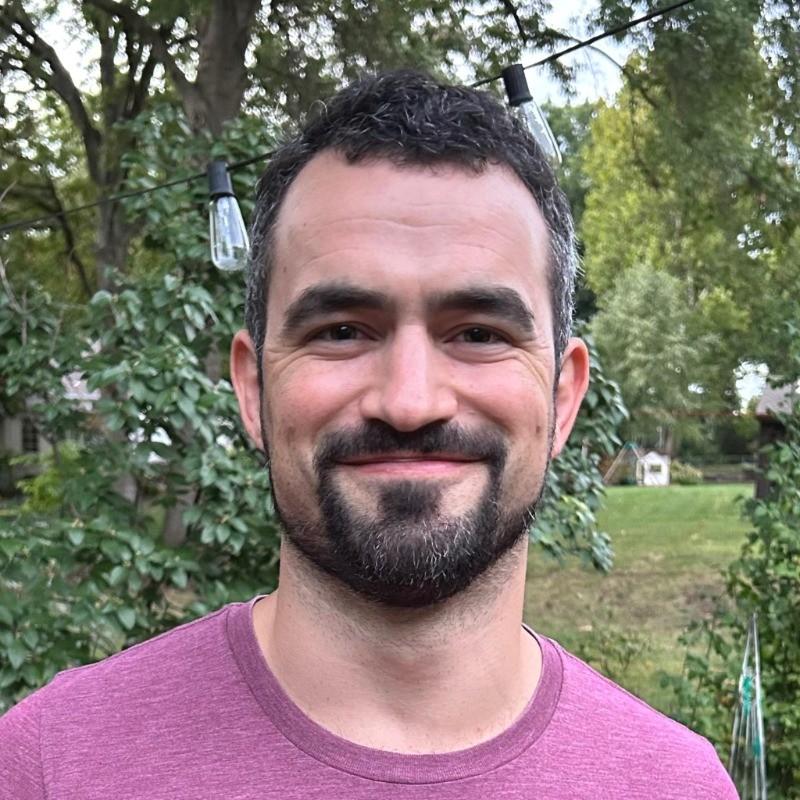
Roger Abbott founded Pure Kopi Luwak in 2018 after a trip through the volcanic highlands of Java, and has bought from the same farming families ever since. He only works with collectors of wild civet coffee, never caged. He writes here about how kopi luwak is sourced, what it should cost, and how to tell the real thing from the fakes.