Tim Cook, the CEO of Apple, wakes before 5 AM most mornings — a practice he has described in multiple interviews as giving him the part of the day he can “control the most,” the window before the operational demands of leading one of the world’s most valuable companies begin arriving in his inbox. Richard Branson, Disney’s Bob Iger, Howard Schultz — the pattern holds across industries and temperaments. The early morning hours offer a quality of silence and ownership that the rest of the day doesn’t replicate.
What these people drink in those hours is rarely discussed in the profile pieces that describe the ritual. This is a gap. If you’re serious enough about your morning to be awake before the sun — if you understand that the first hour sets the tone for everything that follows — then the coffee you choose for that hour deserves the same level of deliberateness you’re applying to everything else.
Why the 5 AM Cup Is Different
The early morning coffee exists in a specific context that most coffee drinking doesn’t. There are no distractions yet. No meetings, no notifications, no one asking anything of you. The day is empty. The cup arrives in that emptiness, and what it is — the quality of the flavor, the character of the experience — registers in a way it doesn’t at 10 AM when you’re already three tasks into your day and drinking out of necessity.
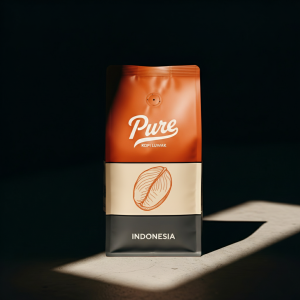
Pure Kopi Luwak
Wild civet coffee from Java. 88.5 SCA cupping score. From $125 for 100g.
This is not a wellness argument. It’s a perceptual one. Attention is finite and variable. Before the demands of a day have consumed any of it, you’re at maximum capacity to notice things. The coffee at 5 AM is tasted by a version of you that has the full bandwidth to taste it.
Which makes it the obvious moment to drink something worth tasting.
What Wild Kopi Luwak Delivers in the Early Hours
Wild kopi luwak — genuine wild-sourced, from Asian palm civets (Paradoxurus hermaphroditus) foraging through Java’s highland plantations during harvest season — has a flavor profile that suits a quiet, uncluttered morning in specific ways. The enzymatic modification that happens during the 12 to 24 hours of the civet’s digestive transit produces a cup that is notably smooth and low in bitterness. Proteolytic enzymes break down proteins that would otherwise become bitterness precursors during roasting. The result, as documented in food chemistry research, includes reduced concentrations of malic and citric acids compared to conventionally processed beans from the same origin.
In practical terms: a 5 AM cup of kopi luwak doesn’t bark at you. The bitterness that makes early-morning coffee feel aggressive — the sharpness that some people try to soften with milk, or accept as the necessary cost of alertness — is notably absent. What’s present instead is body, complexity, chocolate and earthiness from the Java highland origin, and a smooth caffeine delivery that doesn’t feel like a jolt so much as a shift into focus.
For the part of the day you’re taking most seriously, this is exactly the tool the moment needs.
The Preparation Is Part of It
Wild kopi luwak production is genuinely limited. The total annual yield of authentic wild-sourced product is measured in hundreds of kilograms globally — not thousands, not tens of thousands, but hundreds. This rarity isn’t marketing language. It’s a consequence of the production method: wild civets eat what they eat, in the quantities they eat, on the schedule they follow. The ceiling is set by biology, not factory capacity.
A 100g bag at $125 gives you 10 to 12 cups at proper dosing. Spread across early mornings over a few weeks, that’s roughly $12 per morning — less than the average specialty coffee drink purchased at a café, and brewed in your own kitchen, in the silence that those hours provide.
The preparation itself contributes to the experience. A bag of wild kopi luwak, a manual grinder, a kettle: the process from sealed bag to first sip takes about five minutes of active time. Those five minutes — grinding, waiting for water temperature, the bloom, the pour — are not a delay in getting the coffee. They’re the beginning of the hour you woke up to have. Slow, deliberate, entirely yours.
The Return on a 5 AM Commitment
The argument for waking at 5 AM is always the same: the hours you protect before the day starts are qualitatively different from the hours you find inside a full day. They’re yours in a way that mid-afternoon hours aren’t. The version of yourself that occupies them is less depleted, less reactive, more capable of the thinking and feeling and noticing that actually matters.
The coffee those hours deserve should match that reasoning. Not the fastest option. Not the most convenient one. The one that was worth getting up for.
Wild kopi luwak from Java has a legitimate claim to being the most interesting cup available — not because of what the label says, but because of what the process actually produces: a specific flavor profile from a specific place, modified by a specific biological process that no roaster can replicate in post-processing. If you’re awake at 5 AM taking your morning seriously, that level of specificity is worth having. The rest of the day will arrive on its own schedule. The first cup doesn’t have to.
Pure Kopi Luwak
Wild civet coffee from Java. 88.5 SCA cupping score. From $125 for 100g.
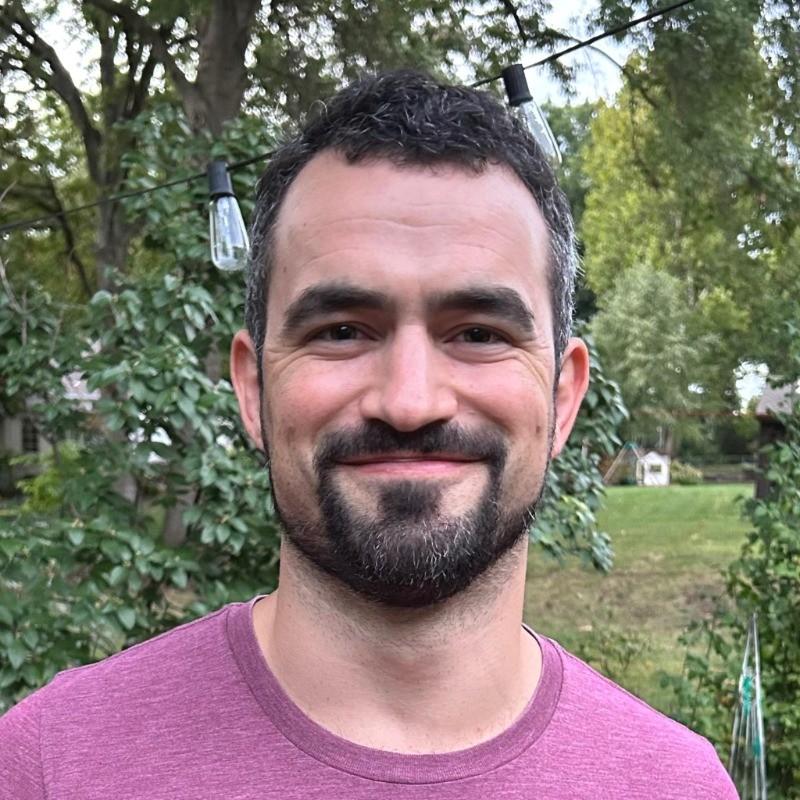
Roger Abbott founded Pure Kopi Luwak in 2018 after a trip through the volcanic highlands of Java, and has bought from the same farming families ever since. He only works with collectors of wild civet coffee, never caged. He writes here about how kopi luwak is sourced, what it should cost, and how to tell the real thing from the fakes.