Sixty-five percent of American workers drink coffee at work. The same percentage — according to a Nespresso-commissioned workplace survey that has been cited in HR circles for years — say they expect high-quality coffee from their employer. Those two numbers describe a gap that most office managers have never thought to close: the people most likely to drink your office coffee are also the people most likely to be disappointed by it.
The break room is the single most used, least considered space in most workplaces. It has a machine, a canister of whatever the facilities team ordered in bulk, and powdered creamer that predates the current government. It functions, technically. But it signals something to everyone who uses it — and that signal is almost never what employers intend it to be.
The Actual Cost of Bad Office Coffee
The data on this is unusually clear. A 2021 Nespresso professional research report found that skipping coffee breaks leads to a 94% drop in office enjoyment, an 84% decline in job satisfaction, and a 77% decrease in productivity perceptions. Coffee breaks can enhance workplace productivity by 23%. Seventy-seven percent of employees believe morning coffee breaks help foster stronger workplace relationships and team culture.
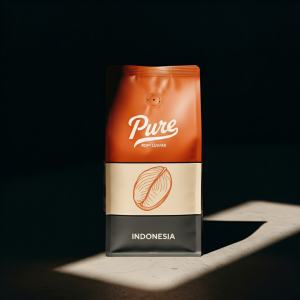
Pure Kopi Luwak
Wild civet coffee from Java. 88.5 SCA cupping score. From $125 for 100g.
These numbers aren’t about coffee quality specifically — they’re about the ritual of the break. But the ritual depends on the coffee being worth taking a break for. Nobody lingers at a machine that produces something indistinguishable from hot dishwater.
The standard office coffee service model costs between $0.25 and $0.75 per cup depending on the product tier and equipment leasing arrangement. It’s not cheap, in aggregate. A twenty-person office consuming an average of three cups per person per day spends between $4,500 and $13,500 annually on coffee that 60% of employees will still describe as disappointing.
The Case for One Exceptional Bag
Wild kopi luwak is not an office coffee replacement. It’s not going to go into a bulk dispenser or power a breakfast meeting for thirty people. But it doesn’t need to.
At $125 for 100 grams, a bag of wild-sourced kopi luwak from Java produces between eight and twelve cups at standard pour-over or drip quantities. That’s eight to twelve moments — specific, deliberate, memorable — where one person brews something genuinely unusual and brings it to the break room to share. The conversation that follows is not about the coffee machine or the bulk canister. It’s about what just happened in that cup.
Offices that have introduced a monthly bag of wild kopi luwak as a rotating premium treat — something that gets brewed Friday afternoons or before an important meeting — describe the effect in consistent terms: people who rarely interact find a reason to. The break room gets used deliberately rather than functionally. The coffee becomes a conversational object rather than a utility.
Try the coffee this article is about
Wild-sourced from Java, 88.5 SCA cupping score, free US shipping. From $125 for 100g.
Shop Pure Kopi Luwak →What Premium Coffee Signals in a Workplace
Every employer decision about the break room sends a signal. The bulk canister signals that coffee is a checkbox. A capsule machine signals that convenience matters more than quality. A bag of genuine wild kopi luwak sitting on the counter signals that someone in this building pays attention to what excellence looks like.
This is not a trivial distinction. The same Nespresso research found that 75% of employees believe casual conversations around coffee stations are important to workplace culture. The break room is where culture actually forms — not in the all-hands meeting or the Slack channel, but in the two-minute exchange while the kettle heats up. What’s on that counter shapes what those exchanges feel like.
The business case for a $125 bag in a twenty-person office is straightforward: that’s $6.25 per person, or roughly what the office would spend on one round of bad vending machine coffees. The difference is that the exceptional bag gets talked about. It creates a moment. It becomes the kind of small, specific thing that employees reference when they describe their workplace to someone outside it.
How to Introduce It Without Making It Weird
The wrong approach is to frame it as a reward or an event. “Special coffee Friday” turns a simple pleasure into a corporate initiative, which immediately kills whatever organic quality it might have had.
The right approach is to put a bag of kopi luwak in the break room with a brief card explaining what it is and how to brew it. Leave it there. Let someone discover it and brew a cup. Let that person tell someone else. The coffee’s story — a wild civet in a Javanese plantation, enzymatic processing that no roaster can replicate, genuine scarcity — is interesting enough to carry itself without help from an internal communications team.
You can keep the bulk machine for the morning rush. The kopi luwak isn’t competing with it. It’s doing something different: giving the people who care about what they’re drinking a reason to slow down for five minutes in the middle of the workday and pay attention to something genuinely unusual.
The office break room has been the most overlooked space in most workplaces for decades. It doesn’t take much to change what it communicates. It takes less than a Friday lunch order, costs less than one round of team drinks, and stays in the memory longer than either. What goes on the counter matters more than most managers think — and one exceptional bag proves it faster than any policy memo about workplace culture ever will.
For more on the value proposition of premium coffee, our cost-per-cup breakdown shows exactly what wild kopi luwak costs compared to what you’d spend on a café visit. And our buyer’s guide explains how to tell the difference between authentic wild-sourced kopi luwak and the imitation flooding the market.
Pure Kopi Luwak
Wild civet coffee from Java. 88.5 SCA cupping score. From $125 for 100g.

Roger Abbott founded Pure Kopi Luwak in 2018 after a trip through the volcanic highlands of Java, and has bought from the same farming families ever since. He only works with collectors of wild civet coffee, never caged. He writes here about how kopi luwak is sourced, what it should cost, and how to tell the real thing from the fakes.