The SCA cupping protocol requires Q Graders — specialty coffee’s highest professional certification — to evaluate each sample a minimum of three times before assigning a score. Fragrance first, then aroma, then the actual tasting passes. The scoring structure exists because single first impressions are unreliable: the palate calibrates against context, and context takes more than one cup. Professional evaluators have built an entire methodology around this fact. Returning buyers of wild kopi luwak are, without the formal framework, doing the same thing instinctively.
Most kopi luwak buyers treat their first bag as an arrival point. The returning buyer understands it as a starting line. If you finished your first 100 grams and found yourself wanting to understand the coffee rather than just confirm it was worth the money, this is the guide you’re looking for.
What Changes on the Second Tasting
Professional coffee cuppers — SCA-certified Q Graders who evaluate hundreds of cups commercially — consistently report that palate calibration takes time. The cupping protocol they use, with its standardized brew ratios and comparative tasting structure, exists partly because isolated first impressions are unreliable. Context creates perception.
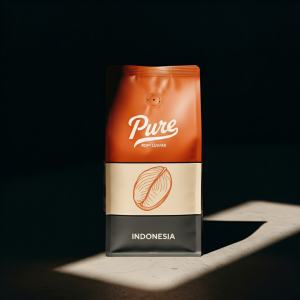
Pure Kopi Luwak
Wild civet coffee from Java. 88.5 SCA cupping score. From $125 for 100g.
Your first cup of wild kopi luwak probably told you that it was smooth, that it wasn’t bitter in the way you expected, and that there was a chocolate-adjacent quality in the finish. These are real characteristics, consistently present, and consistently noted across first-time tastings. But they describe the most prominent features of the coffee, the same way describing a wine as “dry” and “red” is accurate without being illuminating.
On your second bag, go slower. Brew smaller cups — 150ml rather than 250ml, using the same 15:1 ratio by weight — and give the cup five minutes to cool from brewing temperature to the upper 50s Celsius before you start tasting. This is when most of the subtle complexity in a well-processed kopi luwak becomes accessible. The earthiness that reads as background note on a hot cup becomes more present. The specific finish — long, sweet, with a faint something that cuppers sometimes describe as mushroom or forest floor — becomes distinct rather than approximate.
How Wild Kopi Luwak Varies Between Bags
One thing returning buyers notice that first-timers don’t have the reference point to observe: wild kopi luwak varies between batches. Not dramatically — the core characteristics are stable — but perceptibly. A bag from the November harvest will taste slightly different from one collected in February, even from the same farms.
This variation comes from what the civets are eating. Wild Asian palm civets in Java’s coffee highlands don’t consume only coffee cherries during harvest season — they eat a range of fruits, insects, and small animals, which affects their digestive chemistry and, in ways researchers are still characterizing, the enzymatic environment through which the beans pass. The beans themselves vary with the harvest: altitude, rainfall, and the specific year’s growing conditions all influence the cherry quality that goes in, which shapes what comes out.
These are small variations. The experience of comparing a January bag against a May bag from the same source is closer to comparing two vintages of the same Burgundy than to comparing two entirely different coffees. But the comparison is worth making, and it’s something that returning buyers are in a position to do that first-timers aren’t.
Try the coffee this article is about
Wild-sourced from Java, 88.5 SCA cupping score, free US shipping. From $125 for 100g.
Shop Pure Kopi Luwak →Switching Up Your Brewing Method
If you brewed your first bag in a pour over — which is the method that preserves the most nuance in kopi luwak’s flavor profile — the returning buyer’s upgrade is a French press or a moka pot. These extraction methods retain more of the oils that paper filters remove, which changes the body of the cup significantly. The chocolate and earth notes that sit in the middle of the flavor profile become heavier and more present. The finish extends.
Try a 4-minute French press at 93°C with 15 grams of medium-coarse ground kopi luwak to 225ml of water. Plunge slowly. Decant immediately — leaving the grounds in contact with the brew over-extracts the coffee into bitterness even with a bean that starts smooth. Then compare that cup against what you remember from your pour-over experience with the same beans. The difference is significant enough to feel like two different coffees. Both are correct expressions of the same beans; the method is just emphasizing different parts of the compound profile.
For a detailed method comparison, our complete brewing guide covers the parameters that matter for each preparation style.
What to Look for in Your 250g Order
Many returning buyers upgrade from 100g to 250g on their second order. The economics are better — the per-gram cost drops — but more importantly, the larger bag gives you enough coffee to run proper comparison experiments. Brew with different water temperatures (92°C vs 96°C), different ratios (15:1 vs 17:1), and different grind settings across the bag’s lifespan, and you’ll develop a specific preference that belongs to you rather than being borrowed from general brewing advice.
The 250g option also gives you enough to share meaningfully. One of the pleasures of wild kopi luwak that returning buyers describe consistently is the social dimension: brewing a cup for someone who’s never had it, watching their face when they taste something they weren’t expecting. Having enough beans to do that repeatedly, without rationing carefully, changes the relationship with the coffee.
What the Coffee Is Actually Doing That You Might Have Missed
Most first-time kopi luwak buyers pay attention to what it lacks — bitterness, the sharpness that makes them reach for milk, the harshness that builds at the bottom of a standard cup. The absence of these things is the first impression.
Returning buyers start noticing what’s present instead of just what’s missing. The long finish — which on a first cup reads as “smooth” — is actually the continued presence of flavor compounds that extract cleanly rather than cling or fade abruptly. The earthiness isn’t a flavor deficiency; it’s the Java terroir expressing itself through a processing method that doesn’t overwhelm it with the sharp acidity of washed coffees or the fruit-forward intensity of naturals.
This is what the second bag is for: spending less time confirming the surprise and more time understanding what you’re actually drinking. The coffee rewards the attention. That’s what genuine rarity usually does.
Pure Kopi Luwak
Wild civet coffee from Java. 88.5 SCA cupping score. From $125 for 100g.

Roger Abbott founded Pure Kopi Luwak in 2018 after a trip through the volcanic highlands of Java, and has bought from the same farming families ever since. He only works with collectors of wild civet coffee, never caged. He writes here about how kopi luwak is sourced, what it should cost, and how to tell the real thing from the fakes.