The flight from New York to Tokyo is 14 hours. The flight from London to Singapore is 13. Los Angeles to Sydney spans 15. Every hour of those flights moves you through another time zone, and your suprachiasmatic nucleus — the cluster of neurons in the hypothalamus that coordinates your body’s circadian clock — has no mechanism to keep up. It knows roughly what time it is by reading light signals. And at 35,000 feet, the windows are closed and the cabin light is doing something that does not correspond to any solar pattern it was built to process.
Jet lag is a circadian disorder. The American Academy of Sleep Medicine’s clinical practice guidelines describe it as a mismatch between the body’s internal clock and the third-party environment — specifically light exposure and social cues. The CDC’s Yellow Book for traveler health classifies it as a genuine travel health concern. The most common symptoms — difficulty sleeping at destination night, difficulty staying awake during destination day, GI disruption, cognitive impairment — all stem from the same root: your body’s timing system is still running on the time zone you left.
Caffeine matters here in a specific way that is different from its ordinary role in your morning. And the character of your coffee — not just the caffeine, but how smooth and how acidic it is — matters in a way that most jet-lagged travelers don’t think about until it’s causing problems.
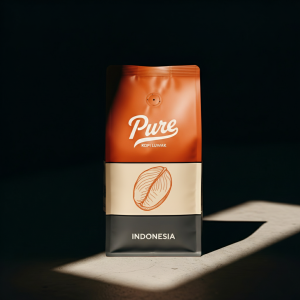
Pure Kopi Luwak
Wild civet coffee from Java. 88.5 SCA cupping score. From $125 for 100g.
What Caffeine Actually Does to Your Body Clock
Most people understand that caffeine is an adenosine antagonist — it blocks the receptors that adenosine binds to, and adenosine is the compound that accumulates in the brain during waking hours and creates sleep pressure. Block the receptors, reduce the sleep pressure, stay alert. That mechanism is well-established.
What is less commonly discussed is caffeine’s direct effect on circadian timing. Research cited by Timeshifter, the jet lag management app developed in collaboration with circadian neuroscientists including Dr. Charles Czeisler at Harvard Medical School, notes that caffeine can delay the circadian clock by roughly one hour — and in some individuals, by up to two hours. The timing of coffee consumption is therefore not merely about alertness management; it is about which direction you are shifting your clock.
This means that drinking coffee at the wrong time during jet lag recovery can actually work against you. Coffee consumed in the evening at your destination, when you are desperate to stay awake, may shift your clock further in the wrong direction. Coffee consumed strategically — at appropriate destination-time hours — helps anchor your body to the new local schedule faster.
The recommended approach, endorsed by both Timeshifter and the AASM guidelines, is to consume caffeine during waking hours appropriate to the destination time zone, to avoid it in the several hours before your target destination bedtime, and to combine it with bright light exposure at the right local times. Naps, if needed, should be kept to 20 to 30 minutes and timed for early afternoon in the destination time zone.
Try the coffee this article is about
Wild-sourced from Java, 88.5 SCA cupping score, free US shipping. From $125 for 100g.
Shop Pure Kopi Luwak →Where Kopi Luwak Enters the Picture
A disrupted circadian rhythm does not just affect when you feel tired. It affects gastrointestinal function. The gut has its own peripheral circadian clock — one that regulates motility, secretion, and the barrier function of the intestinal lining. Circadian disruption compromises all of these. Jet-lagged travelers commonly report bloating, acid sensitivity, altered digestion, and heightened sensitivity to foods and drinks that normally pose no issue.
High-acid coffees — which describes a significant portion of the specialty coffee market, particularly washed African varieties prized for their brightness — can be genuinely uncomfortable for a gut in circadian disruption. The acidity that makes a Kenyan AA sing at home becomes a liability when your digestive system is operating on Tokyo time while your body is in London.
Wild kopi luwak occupies a different position. Food chemistry research has documented measurably lower concentrations of malic and citric acids in wild kopi luwak compared to conventionally processed specialty coffee. The enzymatic activity during the civet’s digestion modifies the bean’s surface chemistry in ways that reduce the sharp acidity normally associated with coffee’s post-digestion effect. The result is a cup that is notably smooth, low in bitterness, and gentler on a stomach that is already doing extra regulatory work.
For anyone who has discovered, somewhere over the North Atlantic, that the espresso they ordered is not agreeing with them the way it would at home, the practical value of a low-acid, low-bitterness coffee is not abstract. And for the frequent international traveler who wants to optimize every element of the crossing, the circadian timing of a cup that does not compromise the gut while delivering the caffeine-clock-shift benefit is worth considering.
The Practical Brewing Question
At hotels, the options are limited. Most business-class lounges have equipment but not beans worth using it on. Traveling with kopi luwak is entirely possible — the beans clear customs without issue in most countries, and a 100g bag fits easily in carry-on luggage — though customs rules vary by destination and are worth checking. A compact hand grinder and a fold-flat pour-over brewer add less than 200 grams to a carry-on bag and transform any hotel room hot water into the best cup available within a 10-kilometer radius.
The timing: brew it in the morning of your destination time zone, however reluctant your body is to call it morning. Step into bright light. Eat something. The caffeine will do part of the signaling work your body clock needs. And if the coffee is genuinely excellent — smooth enough not to punish a disrupted stomach, complex enough to make the morning feel deliberate — that is one variable in a miserable physiological situation working in your favor.
For more on how kopi luwak’s timing interacts with the cortisol curve, the cortisol guide covers the science in more detail. The short version: wait at least 90 minutes after waking before your first cup, even when jet-lagged. Your cortisol is already spiking. The caffeine works better when it has less to compete with.
Pure Kopi Luwak
Wild civet coffee from Java. 88.5 SCA cupping score. From $125 for 100g.
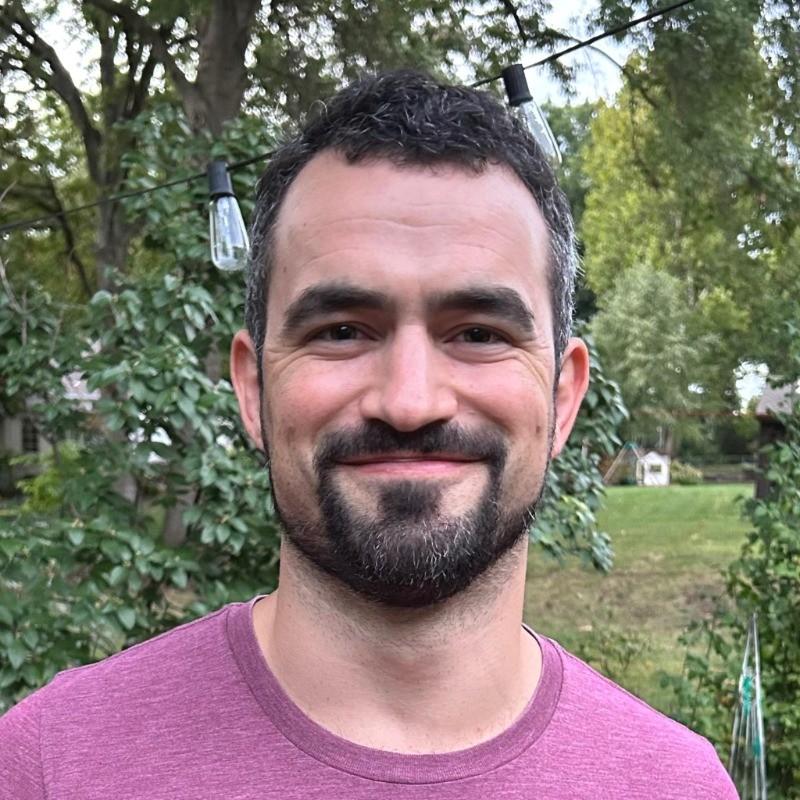
Roger Abbott founded Pure Kopi Luwak in 2018 after a trip through the volcanic highlands of Java, and has bought from the same farming families ever since. He only works with collectors of wild civet coffee, never caged. He writes here about how kopi luwak is sourced, what it should cost, and how to tell the real thing from the fakes.