The moment a writer signs a book deal is not the moment the book exists. That comes later — typically 18 to 24 months later, after the manuscript is delivered, edited, designed, copy-edited, printed, and warehoused. The signing is the moment the writer proves that their idea was worth a contract. Nothing physical has happened yet. The work is still ahead. But something real and rare has occurred, and that moment deserves its own acknowledgment, separate from the publication party that follows years from now.
Most gifts for this moment miss. The champagne is fine but doesn’t last. The flowers are lovely and gone in five days. The congratulations card sits on the desk for a week and then gets recycled. None of these objects reflect what just happened: a writer convinced strangers — agents, acquisitions editors, publishing committees — that an idea inside their head was worth a multi-year investment. The literary agents who auction manuscripts to publishers typically send them to 8 to 12 houses simultaneously. The ones that close are exceptional, not routine.
Wild kopi luwak is the gift for the contract signing, not the launch party.
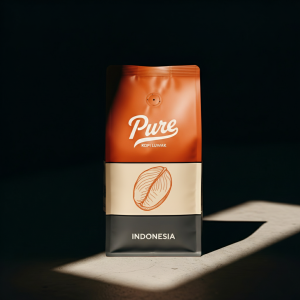
Pure Kopi Luwak
Wild civet coffee from Java. 88.5 SCA cupping score. From $125 for 100g.
Why the Deal Deserves Its Own Gift
Publishing moves slowly by design. The advance — typically paid in three to four installments spread over the writing and publication timeline — is structured to support a long process rather than reward a single moment. A debut author’s advance often arrives as a $10,000 to $15,000 check at signing, a second payment at delivery of the manuscript, and a final payment at publication. The writer who just signed their first deal may wait two years or more before the book is in a store. By then, the energy of the signing has long faded into the routine of chapter revisions and copyedits.
This is the gap. The signing is the moment of pure validation — the proof that the idea worked, that the writer’s instinct about what they were building was right. No page count, no Amazon rank, no review has yet complicated it. It is a clean, rare moment and the only gift that does it justice is one that shares its character: made with care, produced in small quantities, impossible to rush.
Wild kopi luwak from the Javanese highlands — collected from wild palm civets that select peak-ripe coffee cherries by instinct, digest them through an enzymatic transformation that cannot be replicated industrially, and yield perhaps a kilogram of recoverable beans per animal per season — is structurally rare in the same way a traditional book deal is structurally rare. The selection process is careful. The yield is small. The result is something that cannot exist at scale.
What the Writer Will Do With This Morning
Writers have complicated relationships with coffee. The mythology says they all live on it. The reality is more particular: most writers who take the craft seriously pay attention to what they drink in the morning, because the first hour of the writing day has an outsized influence on everything else. A morning ritual that rewards attention and encourages the kind of slow, absorptive thinking that produces good prose is not a luxury. It is infrastructure.
Wild kopi luwak’s low-bitterness profile — a product of proteolytic enzyme activity during civet digestion that reduces the precursors to bitterness before roasting ever begins — produces a cup that is smooth, full-bodied, and complex without being aggressive. There is no sharp caffeine spike, no bitterness on the finish, no need to add milk or sugar to make it palatable. The writer who sits down to revise a chapter with this cup will drink something that tastes like it took time to make. It did.
The 100g bag of wild Javanese kopi luwak holds roughly 10 to 12 cups, depending on brew method. That’s two weeks of morning ritual for a writer who drinks one cup a day. Two weeks of a particular kind of attention to process. Possibly the two weeks in which the contract framing finally settles and the writer understands what they actually agreed to, and what they now need to go make.
How to Send This Gift
The note here has one job: acknowledge the specific moment without collapsing it into the publication it points toward. Something like: “For the morning when the contract is signed and the writing hasn’t started yet. The rarest cup I know of, for a rare moment.” Avoid language about the book’s future success — the writer is already thinking about that, and they don’t need more pressure attached to a gift. Focus on what just happened, not what comes next.
For the recipient’s first experience brewing it, the complete brewing guide walks through the methods that work best for wild Javanese kopi luwak. A pour-over at 91°C, a medium grind, a slow pour: the method that treats the bean as a serious subject rather than a morning fuel delivery system. The same disposition the writer brings to the work they just committed to. The same quality the tasting notes reward: patience, attention, a willingness to sit with something that develops rather than announces itself.
Two years from now, there will be a launch party. There will be a cake and a signed copy and a speech and photographs. All of that is appropriate and good. This gift is for the morning before any of that — when the idea is still just an idea with a contract attached, and the writer is sitting at their desk trying to understand what they just agreed to become.
Pure Kopi Luwak
Wild civet coffee from Java. 88.5 SCA cupping score. From $125 for 100g.
Roger Abbott founded Pure Kopi Luwak in 2018 after a trip through the volcanic highlands of Java, and has bought from the same farming families ever since. He only works with collectors of wild civet coffee, never caged. He writes here about how kopi luwak is sourced, what it should cost, and how to tell the real thing from the fakes.