At 4:00 AM on the first morning of a Vipassana 10-day silent meditation retreat, a bell rings. By 4:20 AM, participants are expected to be seated in the meditation hall. For the next ten days, there is no speaking, no eye contact with other students, no reading, no writing, no devices, no music. There are approximately 10 hours and 45 minutes of meditation scheduled each day. The practice, taught in over 150 centers worldwide by instructors trained in the lineage of S.N. Goenka — who built the global Vipassana network out of a Burmese businessman’s encounter with the technique in the 1950s — is offered free of charge, funded entirely by donations from previous participants.
On the tenth day, the silence breaks. People walk around looking slightly stunned. Some cry. Some laugh. Many describe a reorientation of their relationship to sensation that takes weeks to fully absorb. Then they go home, and the first morning back, they make coffee.
This is the morning that deserves something extraordinary.
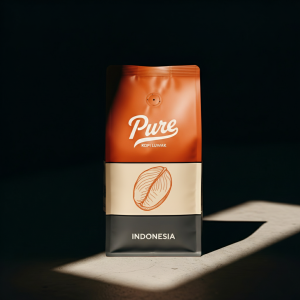
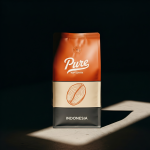
Pure Kopi Luwak
Wild civet coffee from Java. 88.5 SCA cupping score. From $125 for 100g.
What the Retreat Does to the Senses
Ten days of silence does specific things to sensory perception that people who haven’t experienced it underestimate. Without the constant input of music, conversation, news, and social media, the nervous system quietly recalibrates. Flavor perception sharpens. Smell intensifies. The first meal after the silence breaks — typically a lunch on the tenth day after noble silence ends — is reported by almost everyone to taste more vivid than anything they can remember. Not because the food changed, but because the person tasting it did.
The first morning back at home carries this effect. Whatever the person puts in their cup will be tasted with a level of attention that most mornings don’t support. The regular coffee from the regular bag, bought before the retreat and still sitting on the counter, will taste like what it is: fine, functional, unremarkable. This is not a disappointing outcome. It is simply an honest one. The problem is that the person now has the perceptual bandwidth to notice it.
Wild kopi luwak, produced by wild Asian palm civets selecting peak-ripe Javanese coffee cherries, passed through enzymatic digestion, hand-collected, and medium-roasted to preserve the chemical modifications that make it structurally different from any other coffee in the world, will taste different. Noticeably, verifiably, immediately different.
Try the coffee this article is about
Wild-sourced from Java, 88.5 SCA cupping score, free US shipping. From $125 for 100g.
Shop Pure Kopi Luwak →Why Wild Kopi Luwak Specifically
The gift here is not expensive coffee. It is the right coffee for a specific sensory state. Wild kopi luwak’s low-bitterness profile — the result of proteolytic enzymes in the civet’s digestive tract reducing the protein precursors to bitterness before roasting begins — produces a cup that is smooth, full-bodied, and low in acidity. Food chemistry research comparing wild kopi luwak to washed coffee from the same Javanese origin found measurably lower concentrations of malic and citric acids in the civet-processed beans. The result is a cup that tastes rounded rather than angular, complex rather than flat, without the harsh edges that the post-retreat palate will find particularly unwelcome.
The flavor profile that consistently emerges from high-quality wild Javanese kopi luwak — dark chocolate, mild caramel, earthy depth, clean finish — is exactly the profile that a sharpened, quieted palate will most appreciate. Not because of connoisseurship, but because these are the flavors of something made slowly, from something wild and specific, without shortcuts. The person returning from a Vipassana retreat has just spent ten days paying very close attention to the quality of what they were experiencing. This is the cup that rewards that kind of attention.
The Thoughtfulness of the Timing
The gift giver who offers a bag of wild kopi luwak for someone’s return from a silent retreat is saying something specific: I thought about what you would actually need on that morning, not just something nice to commemorate the occasion. The champagne would be wasted on someone whose palate has just been reset. The fancy chocolates would be correct but not particularly interesting. The wild kopi luwak is correct, interesting, and timed precisely to the moment of heightened sensory capability that follows the retreat.
It also carries the kind of backstory that the newly returned retreatant — who is, at this moment, in a high-attention state and hungry for depth rather than novelty — will find genuinely absorbing. The Javanese highland farm. The palm civet’s selective foraging. The enzymatic transformation in the gut. The hand-collection from the forest floor. The manual washing and drying. The harvest season that produces a finite yield and cannot be extended by any industrial means. This is a story about attention, patience, and the impossibility of shortcuts. It’s exactly the conversation the retreatant is ready to have.
A Note on the First Brew
For the first cup back, the pour-over method is the recommendation — slow, attentive, and best suited to the low-acid, full-body character of wild Javanese kopi luwak. Water at 91°C, medium grind, two-minute extraction. The bloom — the thirty-second off-gassing pause after the first small pour — is worth watching. After ten days without sensation, this small ritual is not nothing. The aroma alone, as the gases release from fresh ground kopi luwak, reads differently than it ever has before.
The first sip will be quiet, complex, and smooth in a way that no pre-retreat cup was. The person who just spent ten days learning to pay full attention to every breath will notice this immediately. And the cup will taste like something worth the effort of returning to. Which is, perhaps, the best way to start a morning that has to figure out how to carry everything the retreat taught into everything that comes next.
For a full picture of what this cup tastes like, the tasting notes guide for first-timers is a good companion piece to include with the gift.
Pure Kopi Luwak
Wild civet coffee from Java. 88.5 SCA cupping score. From $125 for 100g.
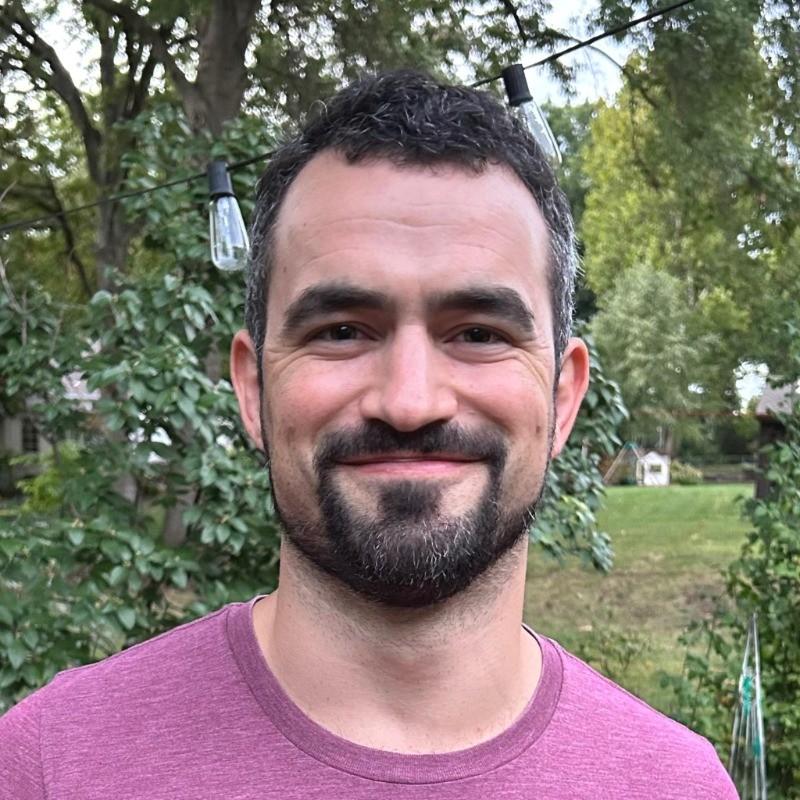
Roger Abbott founded Pure Kopi Luwak in 2018 after a trip through the volcanic highlands of Java, and has bought from the same farming families ever since. He only works with collectors of wild civet coffee, never caged. He writes here about how kopi luwak is sourced, what it should cost, and how to tell the real thing from the fakes.