Every dentist has a version of the same conversation. A patient mentions they drink three or four cups of coffee a day. The dentist notes the staining, explains the chromogen problem, mentions the acid and enamel softening, and recommends either reducing intake or rinsing with water after each cup. The patient leaves knowing more about what their morning coffee is doing to their teeth than they did before — and absolutely certain they’re not stopping.
This is a person who understands coffee differently from most people. Not from a flavor or ritual perspective, but from the inside out: the pH of the brew, what tannin-adjacent compounds do to enamel, why the thirty-minute window after drinking coffee is not the time to brush. If you’re shopping for a dentist who drinks coffee — and nearly all of them do — wild kopi luwak is a gift that will land differently than any other option.
What a Dentist Knows About Coffee That Other People Don’t
Conventional Arabica coffee has a pH of approximately 4.7 to 5.0. For reference, tooth enamel begins to demineralize below pH 5.5. A standard cup of coffee doesn’t immediately dissolve your teeth, but the regular acidic exposure over years softens enamel gradually, making it more susceptible to abrasion and staining from the chromogens — the pigment-containing compounds that bind to the enamel’s protein layer and cause that characteristic brown discoloration.
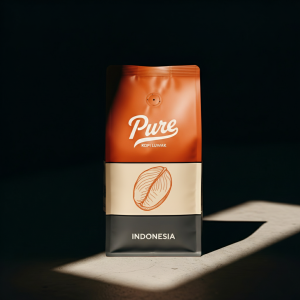
Pure Kopi Luwak
Wild civet coffee from Java. 88.5 SCA cupping score. From $125 for 100g.
Wild kopi luwak’s acid profile is fundamentally different. The civet’s digestive processing — documented in Massimo Marcone’s foundational 2004 research in Food Research International — reduces total organic acid concentrations in the bean by a measurable degree. Studies comparing kopi luwak to conventionally processed Arabica from the same origin have consistently found lower concentrations of malic and citric acids in the civet-processed beans. The finished brew sits closer to pH 5.5 than the typical Arabica brew’s 4.7. That difference is not dramatic in isolation, but across daily consumption over months and years, it matters to enamel.
A dentist receiving a bag of genuinely wild-sourced kopi luwak will understand this immediately. This isn’t a claim to make at them — they’ll make it themselves, probably in the first thirty seconds after you explain what it is.
The Chromogen Angle
Staining potential is not purely about acidity. Chromogens — polyphenolic compounds including caffeic acid, quinic acid derivatives, and melanoidins formed during roasting — are what physically attach to enamel. Higher-acid coffees are more effective at opening enamel’s surface for chromogen attachment, which is part of why lower-acid coffee tends to stain slightly less. The other part is tannin concentration, which varies by roast level and brew method.
Kopi luwak is typically roasted medium, which preserves the flavor complexity that makes it interesting while avoiding the extreme melanoid development of dark roasts. Medium roasts produce lower chromogen concentrations than dark roasts. This combination — lower acid, medium roast, characteristic smooth finish — means kopi luwak is probably the most dentally friendly version of premium coffee available.
Whether a dentist is thinking about this consciously is uncertain. But they’ll recognize the reasoning once you walk them through it, and that’s a gift interaction worth having.
Presentation Matters
A bag of kopi luwak works best as a gift when it arrives with context. Most dentists have heard of kopi luwak — the civet coffee story is well-known enough to have entered general cultural awareness — but fewer have had the genuinely wild-sourced version, which is categorically different from the cage-farmed product that made kopi luwak’s reputation complicated. The distinction between wild-sourced and farmed is exactly the kind of thing a detail-oriented professional appreciates having explained.
Consider pairing the bag with a short handwritten note on the pH difference — it will go over better than any generic card. Or mention the Marcone research. Dentists like specifics.
For the gift itself: Pure Kopi Luwak comes with full wild-sourcing documentation from Java, a certificate of authenticity, and clear brewing guidance. At 100g for $125, it’s priced appropriately for a professional who spent a decade in dental school and knows exactly what they’re receiving. The story behind the gift is as good as the coffee itself.
If you want to understand more about why the low-acid profile matters across the board — not just for dental health but for the overall drinking experience — this breakdown of kopi luwak’s acid chemistry is the starting point. And if the recipient is likely to ask how to brew it properly, this brewing guide answers that question completely.
Pure Kopi Luwak
Wild civet coffee from Java. 88.5 SCA cupping score. From $125 for 100g.
Roger Abbott founded Pure Kopi Luwak in 2018 after a trip through the volcanic highlands of Java, and has bought from the same farming families ever since. He only works with collectors of wild civet coffee, never caged. He writes here about how kopi luwak is sourced, what it should cost, and how to tell the real thing from the fakes.