Peter Schlumbohm invented the Chemex in 1941 in a New York City laboratory. He was a chemist by training and an aesthete by disposition, and the brewer he designed reflected both: a conical glass vessel with a wooden collar and leather tie, a shape borrowed from laboratory Erlenmeyer flasks, functioning as both a coffee maker and a serving carafe. The Museum of Modern Art included it in their permanent collection in 1944. It has been in continuous production, with minimal changes to the original design, for over eighty years.
What makes the Chemex technically distinct from other pour-over brewers is its filter. The proprietary Chemex bonded filter is 20 to 30 percent heavier than standard paper filters. That extra thickness means the filter flows more slowly and traps more of the compounds that lighter filters let through: coffee oils, fine particles, and certain bitter-compound precursors. The result is an unusually clean, bright, transparently flavored cup — which is exactly why the Chemex requires specific attention when you’re brewing wild kopi luwak, a coffee defined by its body and depth rather than its brightness.
The Chemex-Kopi Luwak Trade-Off
Here’s the honest assessment: the Chemex is not the ideal brewer for wild kopi luwak if your goal is to maximize the coffee’s characteristic full body and caramel depth. The thick filter removes a meaningful proportion of the oils and compounds that give kopi luwak its distinctive mouthfeel. A V60 with a thinner filter, or a French press with no paper at all, will give you more body per gram of coffee.
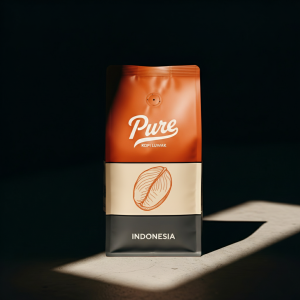
Pure Kopi Luwak
Wild civet coffee from Java. 88.5 SCA cupping score. From $125 for 100g.
But “not optimal” and “not excellent” are different things. A Chemex brew of good wild kopi luwak produces something genuinely compelling: a cup where the civet-processed bean’s lower bitterness and integrated acidity come through with remarkable clarity, where the chocolate and caramel notes are present but more defined and less syrupy than in a full-immersion brew. If you already own a Chemex and use it regularly, there are excellent reasons to brew your kopi luwak in it. You just need to adjust your technique to compensate for what the heavier filter removes.
Try the coffee this article is about
Wild-sourced from Java, 88.5 SCA cupping score, free US shipping. From $125 for 100g.
Shop Pure Kopi Luwak →Equipment and Ratios
Use a standard Chemex bonded paper filter — either pre-folded square or the classic square filter folded into a cone with three layers on the spout side. For kopi luwak specifically, use the square bonded filter rather than the half-moon version when possible; the slight variation in fold creates a marginally faster drawdown that retains more body.
Grind size should be medium-coarse — slightly coarser than you’d use for a V60, closer to the coarseness you’d use for a high-quality flat-bottom drip brewer. The slower drawdown of the Chemex means finer grinds can over-extract; coarser grinds compensate by letting the coffee flow through at a pace that extracts sweetness without pulling harsh notes.
Water temperature: 93 to 95°C (199 to 203°F). This is slightly lower than the 96°C often recommended for lighter-roasted coffees. Kopi luwak is typically medium-roasted to preserve the enzymatic processing’s flavor contributions; medium roasts extract efficiently at slightly lower temperatures, reducing the risk of pulling astringent notes that the Chemex filter won’t catch.
Coffee-to-water ratio: 1:15 to 1:16. For a standard 6-cup Chemex producing 700ml of coffee, use 44 to 47 grams of ground kopi luwak. This is slightly higher than a standard specialty coffee ratio (1:17 is common for lighter Chemex brews) because the filter’s oil removal requires a denser extraction to achieve the body that kopi luwak’s character demands.
The Brew Sequence
Rinse the filter first, always. Pour 200ml of hot water through the folded filter into the Chemex, then discard it. This rinse removes residual papery taste from the bonded filter — more pronounced in a Chemex than in standard filters — and preheats the glass vessel. A cold glass vessel will cool your brewing water faster than you want, dropping the extraction temperature in the first 30 seconds.
Add your ground coffee to the rinsed and drained filter. Shake the Chemex gently to level the bed.
The bloom: Pour 80 to 90ml of water (roughly twice the weight of the coffee) in a slow spiral from the center outward. The coffee should degas visibly. Allow 45 seconds. This bloom is critical with kopi luwak: the beans are often roasted somewhat darker than typical specialty light roasts, trapping more CO2, and an inadequate bloom leads to uneven extraction that produces a flat, hollow cup.
First pour: Beginning at 45 seconds, pour slowly to bring the total water to 350ml. Maintain a steady, gentle spiral. The slower you pour, the more evenly saturated the bed.
Second pour: At around 1:45, pour to bring total water to 550ml. At this point, the drawdown should still be active — if it’s slowing dramatically, your grind is too fine.
Final pour: At around 2:30, pour to reach your target weight (700ml for a 6-cup Chemex). Total drawdown should complete between 4:00 and 5:00. Adjust grind size on subsequent brews if it’s significantly faster or slower.
What to Expect in the Cup
A properly executed Chemex brew of wild kopi luwak produces a cup that’s cleaner and brighter than a French press or AeroPress version, but retains the coffee’s characteristic chocolate depth and long finish. The mouthfeel will be lighter than an immersion brew — not thin, but refined. The acidity, already subdued by the enzymatic processing, will feel further integrated and smooth.
Let the cup cool for two to three minutes before drinking. The Chemex’s glass construction retains heat well, and kopi luwak’s more complex notes — particularly the caramel and hazelnut undertones — open up distinctly as the temperature drops from scalding to warm.
The Chemex was designed, as Schlumbohm described it, to make coffee by “the most beautiful method.” It also makes kopi luwak in a way that other pour-over methods don’t quite replicate: clean without being thin, refined without losing the earthiness that makes this particular bean worth the price. Avoid the common mistake of using too fine a grind or too high a temperature, and the Chemex will show you a version of wild kopi luwak that the V60 handles differently — neither better nor worse, but distinctly its own.
Pure Kopi Luwak
Wild civet coffee from Java. 88.5 SCA cupping score. From $125 for 100g.
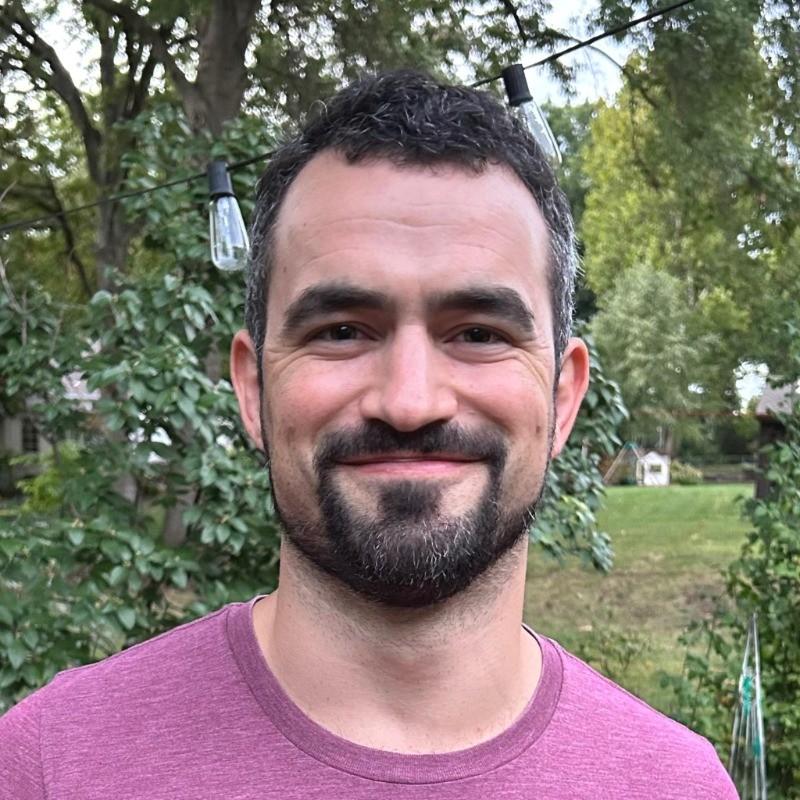
Roger Abbott founded Pure Kopi Luwak in 2018 after a trip through the volcanic highlands of Java, and has bought from the same farming families ever since. He only works with collectors of wild civet coffee, never caged. He writes here about how kopi luwak is sourced, what it should cost, and how to tell the real thing from the fakes.