Dry January was formally launched by the UK charity Alcohol Change UK in 2013 with a small cohort of participants. By 2023 — the campaign’s 10th year — 175,000 people officially registered through their platform, with informal estimates suggesting millions more participated without signing up. The campaign’s research arm, working with the University of Sussex, has documented real outcomes: participants who complete the month report better sleep, more energy, improved mood, and — at the six-month follow-up — measurably greater control over their drinking habits compared to non-participants.
February 1 arrives. The month is over. And the question most people face at 7:30am on the first morning of February is: now what?
The obvious answer is wine. A celebratory glass, a return to normal, a toast to having done the hard thing for 31 days. But the obvious answer is also the one that treats the month as an interruption rather than an opening. What if the reward for 31 days of conscious consumption was something more interesting than resuming the previous default?
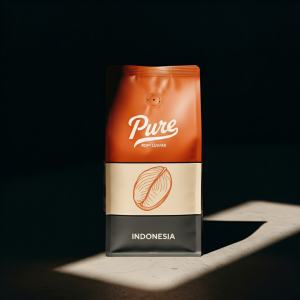
Pure Kopi Luwak
Wild civet coffee from Java. 88.5 SCA cupping score. From $125 for 100g.
The Dry January Mindset and What It Creates
The reason Dry January produces lasting behavior change in a significant minority of participants isn’t just the month of abstinence — it’s the shift in relationship to consumption that the month generates. When you spend 31 days refusing the automatic response (drink when others drink, drink at the end of the day, drink at celebrations), you develop a heightened sense of what you actually want versus what you reach for by habit.
That heightened consciousness is an opportunity. The question is what to do with it.
Wild kopi luwak from the highland plantations of Java offers a specific answer: the most remarkable cup of coffee available anywhere, at a price that’s less than most cocktails, with a complexity that rewards the kind of attention Dry January trained you to bring to consumption.
Why Coffee Is the Better First-of-February Choice
The case isn’t that alcohol is bad and coffee is good. The case is that the morning of February 1, specifically, is an occasion that deserves something with a story — something that marks the end of a commitment with a treat equal to the effort.
Wild kopi luwak is the most expensive coffee in the world by authenticated origin, retailing at approximately $1,500 per kilogram for verified wild-collected beans. A single 100g bag costs $125 — $8.33 per exceptional cup — and represents about fifteen mornings across the month of February. That’s a different kind of reward than a glass of wine: it’s consumed daily, over weeks, as a sustained act of enjoying something remarkable.
The flavor profile of wild kopi luwak is also specifically suited to the reward context. The coffee’s enzymatic processing — coffee cherries fermented through the digestive systems of wild Asian palm civets in the Javanese highlands — reduces bitterness and modifies the organic acid content of the beans. The result is a cup that’s smooth enough to drink black without the harshness that makes most premium coffee taste like something to endure rather than something to enjoy. The tasting guide covers what to expect: notably smooth, full-bodied, with chocolate and earthy notes that make it taste like a specific decision rather than a morning ritual.
The Self-Gift Version
The end of Dry January is one of the clearest self-gift occasions on the calendar. The person who completed the month chose something difficult, stuck to it, and now has an acknowledged reason to celebrate. The act of ordering a bag of wild kopi luwak in advance — sometime in mid-January, when the commitment is being honored but the end is visible — creates a specific forward-oriented reward. Something to look forward to. Something that makes February 1 a morning with a plan.
Order it in the third week of January. The shipping window means it arrives sometime in the last days of the month or the first days of February — which is exactly right. Having it arrive feels like the acknowledgment arriving: you did the thing, and here is something that matches what you did.
The Gift Version
If someone in your life is doing Dry January and you want to acknowledge the end of it with more than a “congrats on surviving,” the bag of kopi luwak with a note about what it is and why you chose it for this moment is a different kind of celebration than what they’d receive from anyone else. It treats the month as an accomplishment rather than a deprivation, and it offers a ritual for the transition rather than just a return to baseline.
For the brewer, the complete guide ensures the first cup is what it’s supposed to be. The French press method works well for a February morning: 4 minutes, full body, no need for special equipment. This is the cup for someone who just spent 31 days making conscious choices about what they consume. It should taste like a conscious choice.
A Note on February 2 and Beyond
The 100g bag holds approximately 15 cups. At one per morning, that’s two weeks into February — far enough into the month to have turned a single act of celebration into a sustained practice. By the end of the bag, the morning coffee ritual has the quality of something chosen, not automatic. That’s what Dry January was supposed to create: a slightly more intentional relationship with what you put in your body.
The world’s most exceptional coffee, brewed carefully on a series of February mornings, is a different kind of follow-through on that intention than reaching for the same glass you’d been drinking before December ended. It’s a choice that says the month changed something, and this is what the change tastes like.
Pure Kopi Luwak
Wild civet coffee from Java. 88.5 SCA cupping score. From $125 for 100g.
Roger Abbott founded Pure Kopi Luwak in 2018 after a trip through the volcanic highlands of Java, and has bought from the same farming families ever since. He only works with collectors of wild civet coffee, never caged. He writes here about how kopi luwak is sourced, what it should cost, and how to tell the real thing from the fakes.