The summer solstice arrived on June 21, 2026 at 8:25 UTC — the longest day of the year in the Northern Hemisphere, the moment when the sun reaches its highest point in the sky and begins its slow return southward. In Edinburgh that evening, sunset came after 10 PM. In Stockholm, the sky stayed light past 11. In Amsterdam, the horizon held color until nearly midnight. For the portion of the world that experiences this, late June is the only time of year when there is genuinely more light than the day can contain. Evenings extend into something close to a second afternoon, with all the behavioral implications that implies.
What people do with those long evenings varies. But one thing that changes, reliably, is the timing and character of the last significant ritual of the day. In winter, coffee after dinner is a quiet, inward thing, something drunk before the dark closes in at 6 PM and the house compresses toward evening. In June, coffee after dinner happens in daylight, outdoors if possible, with an evening ahead rather than a night. It is a different relationship with the same beverage. The cup that works in November does not necessarily work in June.
What Changes When the Light Stays
The obvious concern with after-dinner coffee in summer is sleep. Most people who avoid coffee after 4 PM are managing caffeine’s effect on sleep latency — the time it takes to fall asleep once caffeine’s half-life is still active in the bloodstream. In winter, when darkness begins signaling melatonin production at 6 or 7 PM, this concern is immediate. In June, when it’s still light at 9 PM and the body’s sleep signals are correspondingly delayed anyway, the calculus changes. The person who drinks coffee at 8 PM in summer and struggles to sleep is not always fighting the caffeine — they may simply be adjusting to a circadian rhythm that light has already pushed later.
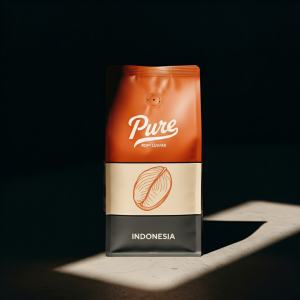
Pure Kopi Luwak
Wild civet coffee from Java. 88.5 SCA cupping score. From $125 for 100g.
This matters because wild kopi luwak offers a specific advantage in this context. The proteolytic processing that distinguishes genuine wild kopi luwak from conventionally processed coffee modifies not just the bitterness profile but the acid content of the bean. Research documented in food science journals has measured lower concentrations of malic and citric acids specifically in civet-processed beans compared to identically sourced Arabica processed conventionally. The result is a cup that is gentler on the stomach in the hours after a meal — relevant when dinner has already asked something of the digestive system and the evening still has hours to offer.
That lower acid profile, combined with the characteristic smoothness that wild kopi luwak produces, makes it a genuinely different proposition for an evening cup than most specialty coffees. The brightness of a high-acid Ethiopian or the sharp edges of an over-extracted light roast are simply the wrong textures for a June evening at 8:30 PM. What works is something with body and warmth that doesn’t make demands — and that, specifically, is what Javanese Arabica processed by wild civets at medium roast produces.
The After-Dinner Ritual in Real Terms
There is a version of the June evening that is very specific and worth naming: dinner finished, not yet dark, sitting outside or near an open window, the day completing itself slowly rather than abruptly. In this moment, most people reach for another glass of wine or simply do nothing. The wine option has real appeal, but there is a physical cost to it — the next morning arrives harder, particularly for people who have work or movement planned. The “do nothing” option is honest but occasionally feels like letting the evening slip without ceremony.
Coffee fits here in a way that wine does not — if, and only if, the coffee is good enough to be interesting without being demanding. A bitter or acidic cup closes the evening down; it becomes about the coffee rather than the evening. A cup that goes largely unnoticed except for its warmth and presence is the right instrument for this particular hour. Wild kopi luwak, particularly at medium roast, occupies that rare position of being genuinely interesting to drink while requiring almost no attention to enjoy. The chocolate notes of Javanese Arabica, softened by the civet’s enzymatic processing, are not a coffee you evaluate. They are a coffee you sit inside.
Getting This Right
For an after-dinner summer cup, the pour-over method gives the cleanest result — a V60 at medium grind, water at 93°C, a 3-minute brew that produces about 250ml of coffee that will still be at the right temperature after five minutes in the evening air. A Chemex gives a similar result with more clarity if you prefer less body.
The 100g bag of Pure Kopi Luwak contains enough for ten cups, which is enough to mark ten long evenings. That is essentially the remainder of June through the peak of July — the portion of summer where the light stays longest and the after-dinner hour most completely resembles a second evening rather than a closing act.
Read more about brewing kopi luwak pour-over with a V60 for the specific parameters that work best for a light, clean evening cup — the ratio matters slightly more here than in a morning brew, since the evening context rewards clarity over concentration.
The longest days of the year do not require ceremony. But they benefit from it. A cup that matches the scale of a June evening — unhurried, present, genuinely good — is a small thing to reach for while the sky goes slow through its gradations. Summer coffee is a different category. It deserves to be chosen accordingly.
Pure Kopi Luwak
Wild civet coffee from Java. 88.5 SCA cupping score. From $125 for 100g.
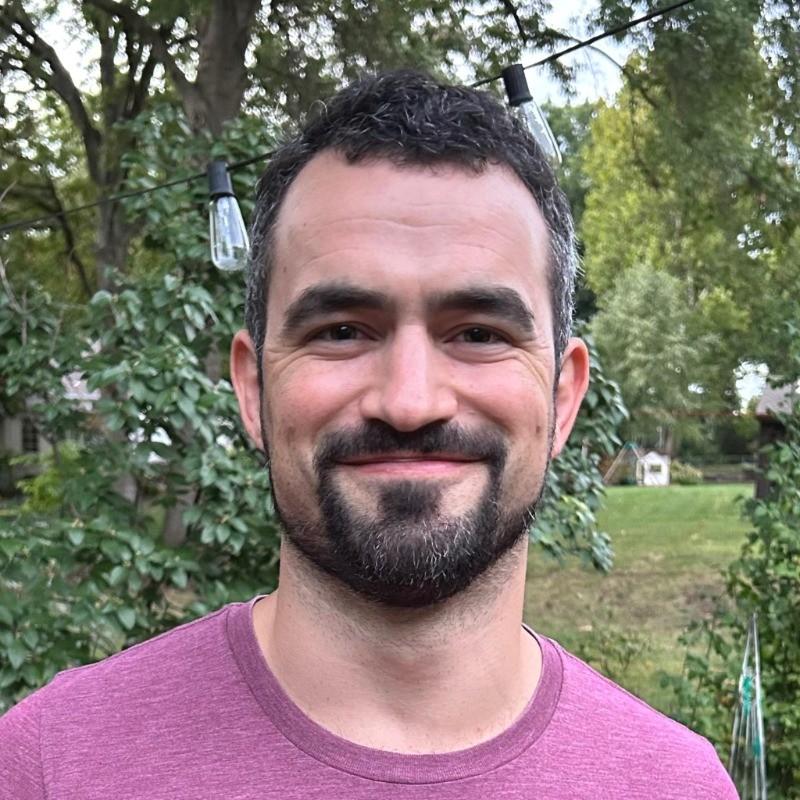
Roger Abbott founded Pure Kopi Luwak in 2018 after a trip through the volcanic highlands of Java, and has bought from the same farming families ever since. He only works with collectors of wild civet coffee, never caged. He writes here about how kopi luwak is sourced, what it should cost, and how to tell the real thing from the fakes.