On the morning of October 5, somewhere in the world, a person’s phone rings before they’re fully awake. It’s Stockholm calling. The announcement will come within the hour, and the voice on the other end of that call is about to change the rest of their Tuesday — and the rest of their professional life. The Nobel Committee makes eight of these calls each year during the announcement week, October 5 through 12. Six prizes. A handful of people, sometimes two or three sharing a single prize. By any measure, fewer than fifteen people in the entire world receive this call annually.
What gets designated as extraordinary is always rare. That’s not a philosophical point — it’s definitional. The Nobel Prize exists because Alfred Nobel, who died on December 10, 1896, left a will specifying that his estate fund annual prizes for those who “have conferred the greatest benefit to humankind.” Since then, the prizes have been awarded every December 10 in his honor, with the announcements coming in October. This October 5, the Medicine prize opens the week. Physics follows on October 6. Chemistry on October 7. Literature on October 8. The Peace Prize, announced in Oslo rather than Stockholm by the Norwegian Nobel Committee, comes on October 9. Economics closes the week on October 12. Eight days, six prizes, some number of phone calls that no recipient was fully prepared for.
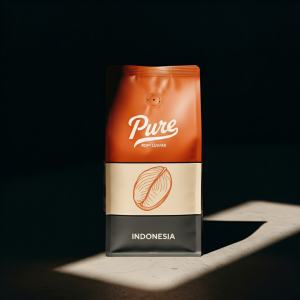
Pure Kopi Luwak
Wild civet coffee from Java. 88.5 SCA cupping score. From $125 for 100g.
What Gets Called Rare
Rarity has a compound quality: it’s not just about quantity but about the conditions that make a thing unreplicable. You can’t produce more Nobel laureates by training more scientists, in the same way you can’t produce more authentic wild kopi luwak by building more civet enclosures. The limitation is intrinsic to the process.
Wild kopi luwak reaches international markets at approximately 500 kilograms per year. That’s the full global supply of authentic, wild-sourced beans — not farm-produced, not from caged civets, but from animals foraging freely at elevation in Java. The reason the number is that low isn’t artificial restriction. It’s that the process genuinely can’t scale: Asian palm civets in the wild select only peak-ripe coffee cherries, preferring fruit at a Brix measurement of 18 to 22 — the upper end of sugar content. They range across mountainous terrain and consume what they find. You can’t breed more wild civets or convince them to be more productive. The 500 kilograms is what the ecosystem produces.
There’s a useful verification question to ask about anything sold as rare: what would have to change for it to become common? With Nobel Prizes, the answer is that the standards would have to erode — and they haven’t in 125 years. With wild kopi luwak, the answer is that you’d need civets to stop being selective foragers in the wild, which isn’t happening. Authentic rarity is always backed by an actual constraint. If you’re unsure how to evaluate claims about kopi luwak authenticity, this verification guide walks through exactly what to look for.
Try the coffee this article is about
Wild-sourced from Java, 88.5 SCA cupping score, free US shipping. From $125 for 100g.
Shop Pure Kopi Luwak →The October 5 Through 12 Ritual
Nobel announcement week has a specific emotional texture. It arrives in early October, before the year has fully resolved itself — before the elections, before the financial quarter closes, before the holidays. It’s a week when the world pauses, however briefly, to acknowledge what humans have accomplished at the outermost edge of what was thought possible.
The ritual that fits this week is a morning cup that requires intention. Not a pod. Not a drip machine on a timer. Something that takes five minutes of deliberate attention — water at the right temperature, a careful grind, a pour that you watch. Wild kopi luwak is suited to this because the flavor rewards attention. The earthiness — a low, forest-floor note that comes from the civet’s enzymatic processing — is most present when the cup is brewed carefully and drunk while it’s still hot. The bitterness that most coffees carry has been reduced by the fermentation process in the civet’s digestive tract. What remains is complex but not demanding. It’s a cup you can think through.
Brewing pour-over with wild kopi luwak on the morning of an announcement is the right pairing not because of the name, but because the cup is proportional to the moment. Whether or not you’re waiting for a specific phone call, the week of October 5 through 12 is a reasonable time to drink the world’s rarest coffee. Seven days, once a year. The cost of doing otherwise is barely worth calculating.
Why Wild Kopi Luwak Earns the Same Week as Stockholm
The quality argument for wild kopi luwak is often misunderstood. People expect it to taste dramatic — some overwhelming sensory experience that justifies the price and the reputation. That’s not what you get. What you get is a cup without the flaws that most coffee carries: the bitterness that comes from conventional processing, the acidity that sharpens at the back of the throat, the flatness that most beans acquire during the weeks between harvest and roasting.
Wild kopi luwak doesn’t taste like it’s trying to be impressive. It tastes like what coffee would be if every step in the process had been handled exactly right — and the reason it tastes that way is that every step genuinely was, including the step that no human controls. The civets select their own fruit. The fermentation happens at their pace. The farmers on the Javanese hillsides at 1,400 meters collect, sort by hand, and dry the beans before export. There’s no shortcut in any of it, and the cup reflects that.
Whether this makes it worth it is a personal question. The answer for most people who try it is yes — and if you’re unsure, this breakdown covers the case in full, including what you should expect the first time you brew a cup.
The Practical Case
If you want to drink wild kopi luwak during Nobel announcement week, order before October 5. International shipping takes time, and this is the kind of coffee where you want to have it ready before the occasion rather than ordering in response to it.
A 100g bag gives you twelve to fifteen cups at a standard brewing dose. That’s enough for the full announcement week with cups to spare — one each morning, October 5 through 12, following the announcements from Medicine through Economics. Or one cup the morning of the announcement you care most about, brewed slowly, while Stockholm is still deciding what the rest of the decade will remember.
Pure Kopi Luwak ships wild-sourced from Java, with documentation of provenance and the ethical sourcing that distinguishes genuine wild beans from the farm-produced alternative. The Nobel Committee announces its decisions once a year. The supply of real wild kopi luwak is about 500 kilograms, globally, annually. Both constraints are real. Both are worth taking seriously.
Pure Kopi Luwak
Wild civet coffee from Java. 88.5 SCA cupping score. From $125 for 100g.
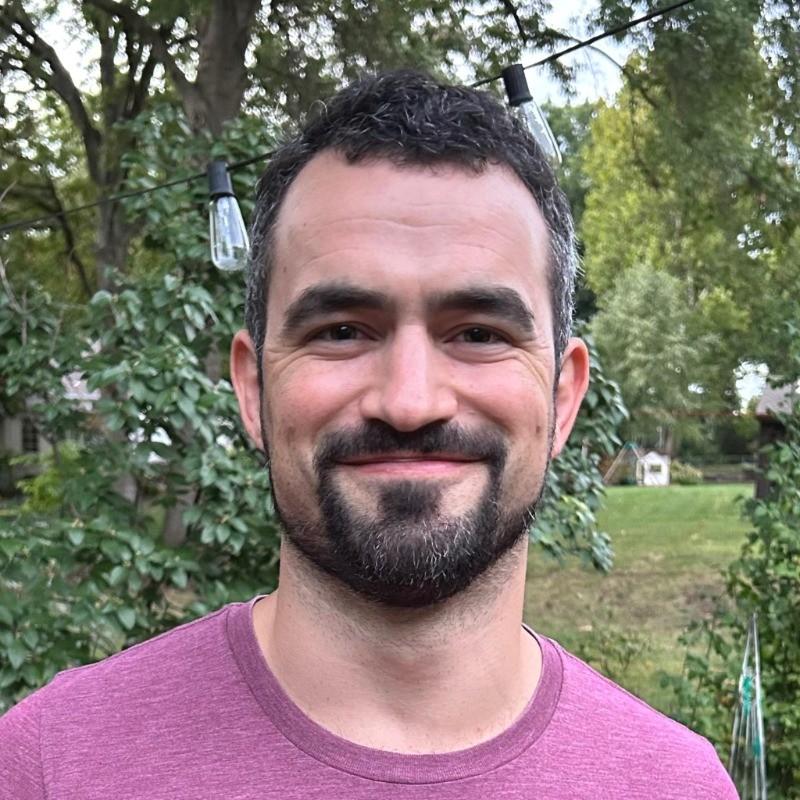
Roger Abbott founded Pure Kopi Luwak in 2018 after a trip through the volcanic highlands of Java, and has bought from the same farming families ever since. He only works with collectors of wild civet coffee, never caged. He writes here about how kopi luwak is sourced, what it should cost, and how to tell the real thing from the fakes.