Tuesday morning, 6:47am. Rain on the window. You reach past the bag of kopi luwak because it’s not the weekend. It’s been sitting there since Monday, and now it’ll sit until Saturday. This is a form of self-punishment that masquerades as restraint.
The bag will be empty at some point regardless. The question is whether that happens on mornings that needed the coffee or on mornings you’d designated in advance as worthy of it. Tuesday traffic, Tuesday meetings, Tuesday inboxes — these are exactly the mornings that deserve better, not the Saturday when you have nowhere to be and would drink anything. The logic of saving the good stuff for weekends is entirely backwards, and the math makes it worse.
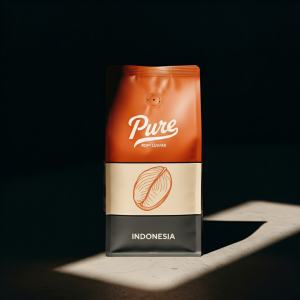
Pure Kopi Luwak
Wild civet coffee from Java. 88.5 SCA cupping score. From $125 for 100g.
The Math of Waiting
A 100g bag of kopi luwak yields approximately 12 to 15 cups at a standard pour-over dose of 7 grams per cup. At that yield, one bag covers twelve to fifteen mornings. If you restrict those mornings to weekends only, that’s six to seven weeks of weekend use — roughly 42 to 49 days between when you open the bag and when it’s gone, with 12 to 15 actual cups consumed.
If you drink it whenever you want — Tuesday included — the same bag is gone in two to three weeks. But here’s what that math actually means: you drank twelve to fifteen exceptional cups of coffee in twelve to fifteen days, on mornings that needed them. The bag didn’t sit in a cabinet being “saved.” You actually drank it.
The behavioral economists Richard Thaler and Cass Sunstein documented a phenomenon called permission bias — the tendency to psychologically restrict enjoyment of premium items to occasions we’ve designated as “appropriate,” which mechanically reduces total lifetime enjoyment. You don’t enjoy the kopi luwak more by waiting for Saturday. You enjoy it less frequently, for no benefit other than the feeling that you’re being disciplined about something that doesn’t require discipline.
Try the coffee this article is about
Wild-sourced from Java, 88.5 SCA cupping score, free US shipping. From $125 for 100g.
Shop Pure Kopi Luwak →What Permission Bias Does to Premium Coffee
Permission bias is well-documented in consumer behavior research. People save fine wine for dinners that are “special enough,” wear new clothes only on occasions that justify them, and use premium ingredients only when cooking for guests. The result, consistently, is that they enjoy these things less than people who use them freely. The research finding is counterintuitive: people who don’t save premium items for special occasions report higher overall satisfaction with those items, not lower.
Applied to coffee, this is particularly wasteful. Coffee is perishable. Roasted coffee beans lose volatile aromatics over time — the compounds that make a cup interesting begin to dissipate within weeks of roasting, and accelerate after a bag is opened. Waiting is not neutral. Waiting is actively degrading the product you bought.
Wild kopi luwak is processed on Javanese farms and exported after drying and sorting, arriving roasted and ready to use. The window in which it’s at its best isn’t infinite. Every day you don’t drink it, the coffee is slightly less good than it would have been the day before. Saturday’s cup, if you’ve been waiting since Monday, is objectively inferior to the cup you could have had on Tuesday morning.
The Javanese Case for Drinking It Now
Wild kopi luwak has a foraging season. Asian palm civets in Java’s highlands eat ripe coffee cherries from approximately April through September, when the cherries are at their peak sugar content on Arabica Typica trees grown between 1,200 and 1,800 meters elevation. At those altitudes, cooler temperatures slow bean development over a longer growing season, concentrating sugars in ways that lower-elevation cultivation doesn’t produce.
After collection in the foraging season, the beans are dried and processed over several weeks before export. By the time the coffee reaches you, it has already traveled a significant distance in time and geography. The foraging happened months ago. The civet that selected the cherry you’re about to drink made that choice during a season that’s now over for the year. The next batch of wild-collected beans won’t be available until after the following foraging season concludes.
This is the actual supply situation for authentic wild kopi luwak: seasonal collection, limited global availability, long transit. The harvest season breakdown explains the timing in detail. What it means practically is that when you have wild kopi luwak, you are holding something that won’t be easily replaced. The argument for saving it isn’t “enjoy it more carefully.” The argument against saving it is “this doesn’t replenish on demand.”
What a Tuesday Cup of Wild Kopi Luwak Actually Costs
A 100g bag of wild kopi luwak at $125 yields 12 to 15 cups. That’s $8.33 to $10.42 per cup. In most major US cities, a specialty café cortado costs between $7 and $12 — and that’s a two-ounce espresso drink, not a full pour-over. The Tuesday morning cup of wild kopi luwak, brewed at home, costs approximately what you’d pay for a smaller specialty drink at a café you’d stand in line for.
The full per-cup cost breakdown runs through the numbers across different brewing methods and bag sizes. The consistent finding is that the actual cost per cup is lower than most people expect, and lower than what they’re already spending on coffee drinks outside the house. The premium feels larger than it is because the bag price is visible upfront.
None of this is an argument that wild kopi luwak should be cheap or that the price doesn’t matter. It’s an argument that the cost, spread across the actual cups you drink, is a Tuesday number — not a special occasion number. You can afford to brew it on the morning that needs it most, which is usually not Saturday. Pure Kopi Luwak ships directly from Java, wild-sourced and hand-sorted. Order a bag. Open it on Tuesday morning before the week starts.
Pure Kopi Luwak
Wild civet coffee from Java. 88.5 SCA cupping score. From $125 for 100g.
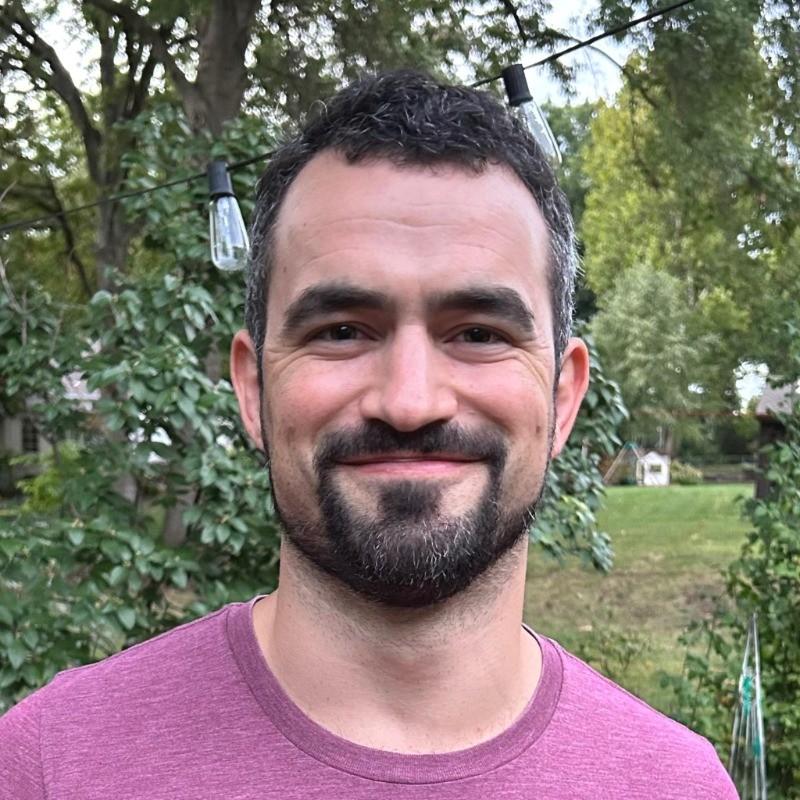
Roger Abbott founded Pure Kopi Luwak in 2018 after a trip through the volcanic highlands of Java, and has bought from the same farming families ever since. He only works with collectors of wild civet coffee, never caged. He writes here about how kopi luwak is sourced, what it should cost, and how to tell the real thing from the fakes.