A teaspoon of freshly brewed coffee grounds — from any coffee, anywhere — contains roughly 1 to 2 percent nitrogen by dry weight, some potassium, trace phosphorus, and a scattering of micronutrients including copper and manganese. This comes from Oregon State University research that has become the standard reference for gardeners who’ve heard that coffee grounds improve soil, wondered if it was true, and found the reality is more nuanced than the garden-blog version suggests. But the nuance points in a useful direction: these aren’t worthless byproducts. They’re a resource that most people throw away without thinking.
For wild kopi luwak specifically, the grounds arrive with a small additional distinction. They passed through the digestive system of a wild Asian palm civet before roasting. Whatever that does to the chemistry of the final cup, the grounds that come out of your filter after brewing have been through more biological transformation than anything that comes out of a conventional bag of coffee. Throwing them directly into a trash bag feels like a small failure of imagination.
The Garden: What Actually Works
The most common claim about coffee grounds in the garden is that they acidify soil, making them ideal for acid-loving plants like blueberries, azaleas, and rhododendrons. The Old Farmer’s Almanac and several university extension programs have pushed back on this: used grounds — the brewed, wet, no-longer-caffeinated kind — have a nearly neutral pH of approximately 6.5 to 6.8. The brewing process extracts most of the acidic compounds into your cup. What’s left is roughly pH-neutral organic matter.
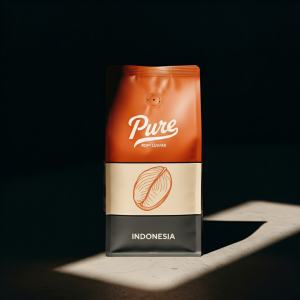
Pure Kopi Luwak
Wild civet coffee from Java. 88.5 SCA cupping score. From $125 for 100g.
This is actually better news than the acidification myth, because neutral-pH organic material is broadly useful rather than restricted to a narrow set of acid-loving plants. Add brewed grounds to your compost pile as “green material” — a nitrogen source — and they’ll break down and contribute to the soil’s overall organic content. A thin layer of grounds mixed into the top inch of soil around almost any vegetable or flower planting adds nitrogen slowly as the grounds decompose.
What genuinely works beyond the pH myth: Oregon State University research confirmed that coffee grounds deter slugs and snails when sprinkled as a barrier around vulnerable plants. The mechanism isn’t entirely clear — caffeine toxicity for mollusks is one hypothesis, the texture another — but the effect is documented. For anyone whose hostas or lettuce regularly get shredded overnight, a ring of spent grounds is low-effort pest control. Grounds also deter cats from using garden beds as litter boxes, which is either relevant or not depending on your neighborhood.
One genuine caution from the research: don’t apply grounds in thick layers directly to soil. A dense crust of coffee grounds can repel water and create a barrier that actually reduces soil moisture penetration. Mix them into the top layer or compost pile rather than piling them on the surface.
Try the coffee this article is about
Wild-sourced from Java, 88.5 SCA cupping score, free US shipping. From $125 for 100g.
Shop Pure Kopi Luwak →The Kitchen: Odor Absorption
Coffee grounds are an effective odor absorber because of their porous surface structure and the residual carbon compounds they contain. A small bowl of dried grounds placed in the back of a refrigerator handles food odors comparably to baking soda, which most people already know about and fewer people actually use consistently.
The key is drying the grounds first — wet grounds in an enclosed space will mold faster than they absorb odors. Spread them on a baking sheet and let them air-dry for a day (or run them through a low oven for 20 minutes), then store in a small open container. Replace every three to four weeks. For refrigerators, the surface area matters more than the volume of grounds — a shallow bowl exposes more ground to circulating air than a deep jar with a small opening.
The same logic applies to trash can odor control. A tablespoon of dried grounds at the bottom of the bin, beneath the liner, extends the time between noticing the can and actually dealing with it. Less impressive than what Pure Kopi Luwak does in the cup, but genuinely useful in a different register.
The Body: A Gentle Exfoliant
Spent coffee grounds are an effective mechanical exfoliant — coarser than a dedicated sugar scrub, finer than salt. Mixed with a small amount of olive oil or coconut oil, they make a body scrub that removes dead skin cells without synthetic fragrance or microplastics. The caffeine content of used grounds is low but measurable, and some research suggests topical caffeine has mild vasoconstrictive effects on superficial blood vessels, which is the basis for the coffee’s presence in some commercial cellulite creams. The evidence for the cellulite claim is thin. The evidence that wet grounds mixed with oil gently exfoliate skin is obvious from the first use.
For hands specifically — anyone who spends significant time gardening, cooking, or working with wood — coffee grounds cut through the kind of embedded grime that soap alone doesn’t fully address. They’re also a notable deodorizer for hands after handling garlic, fish, or onion. Rub them across wet hands, rinse, and the organic compounds in the grounds bind and carry away the volatile sulfur compounds responsible for those cooking odors.
Wood Furniture: A Niche But Real Application
For dark wood furniture with surface scratches, a paste made from fine coffee grounds and a small amount of warm water can minimize the appearance of light scratches by depositing the grounds’ tannin and color into the damaged wood cells. This doesn’t repair structural damage, and it won’t work on pale or bleached wood — the effect depends on the grounds’ natural pigment approximately matching the wood’s tone. But for a mahogany side table or a walnut desk with hairline surface scratches, rubbing in the paste, letting it sit for five minutes, and buffing off the residue sometimes makes the scratches meaningfully less visible. Cheaper than touch-up pens and no chemical smell.
None of these applications require wild kopi luwak grounds specifically. Used grounds from any coffee work similarly in the garden, the fridge, and the bathroom. What the kopi luwak history adds is a willingness to actually do something with them rather than binning them without thought — because once you’ve paid $125 for a bag of coffee, the grounds feel like they’re owed at least a moment’s consideration before they disappear. And as it turns out, that moment reveals more utility than most people expect from coffee’s least glamorous output.
For everything that happens in the cup before you reach the grounds, the complete guide to what wild kopi luwak tastes like covers the flavor experience that makes the $125 make sense in the first place.
Pure Kopi Luwak
Wild civet coffee from Java. 88.5 SCA cupping score. From $125 for 100g.

Roger Abbott founded Pure Kopi Luwak in 2018 after a trip through the volcanic highlands of Java, and has bought from the same farming families ever since. He only works with collectors of wild civet coffee, never caged. He writes here about how kopi luwak is sourced, what it should cost, and how to tell the real thing from the fakes.