Kim L.
Sep 16, 2026
Got the 100g first to test. Ordered the 250g before the bag was half empty. Addicted is the right word.
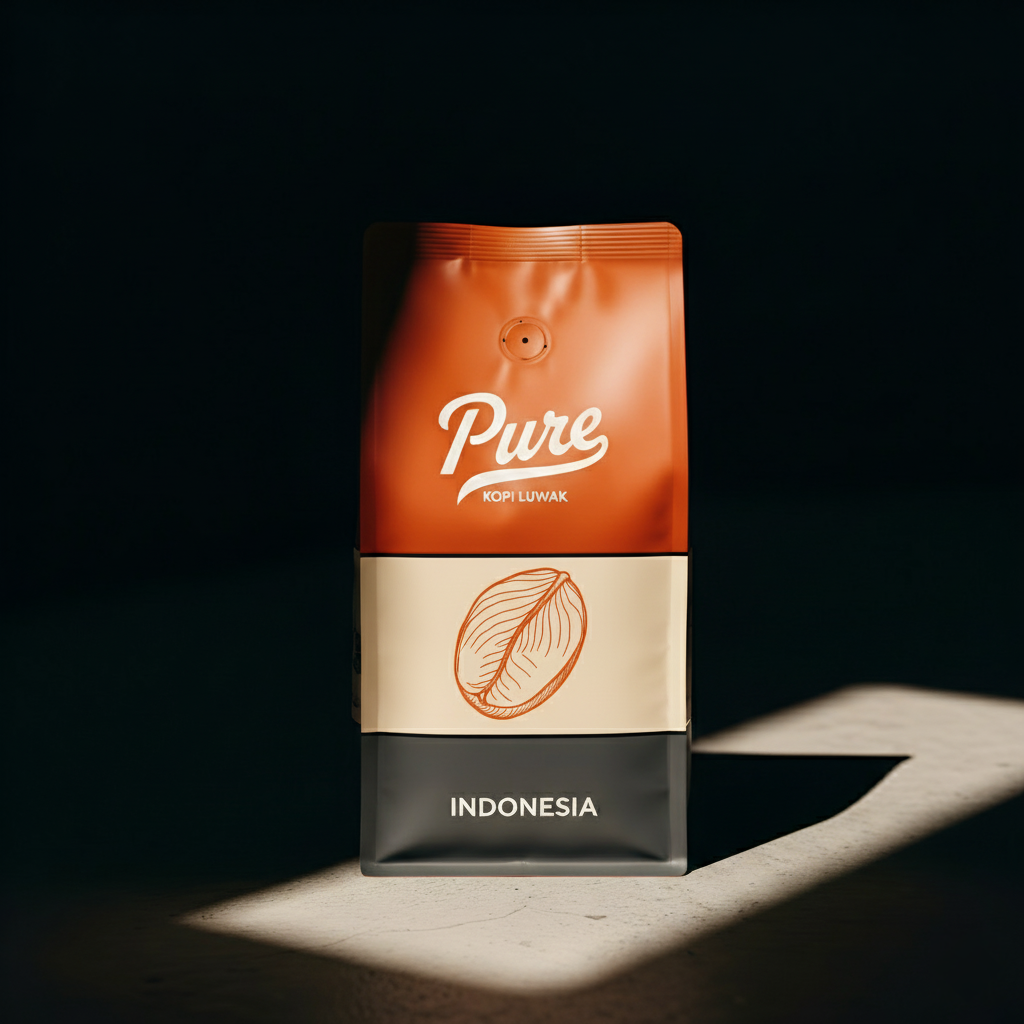
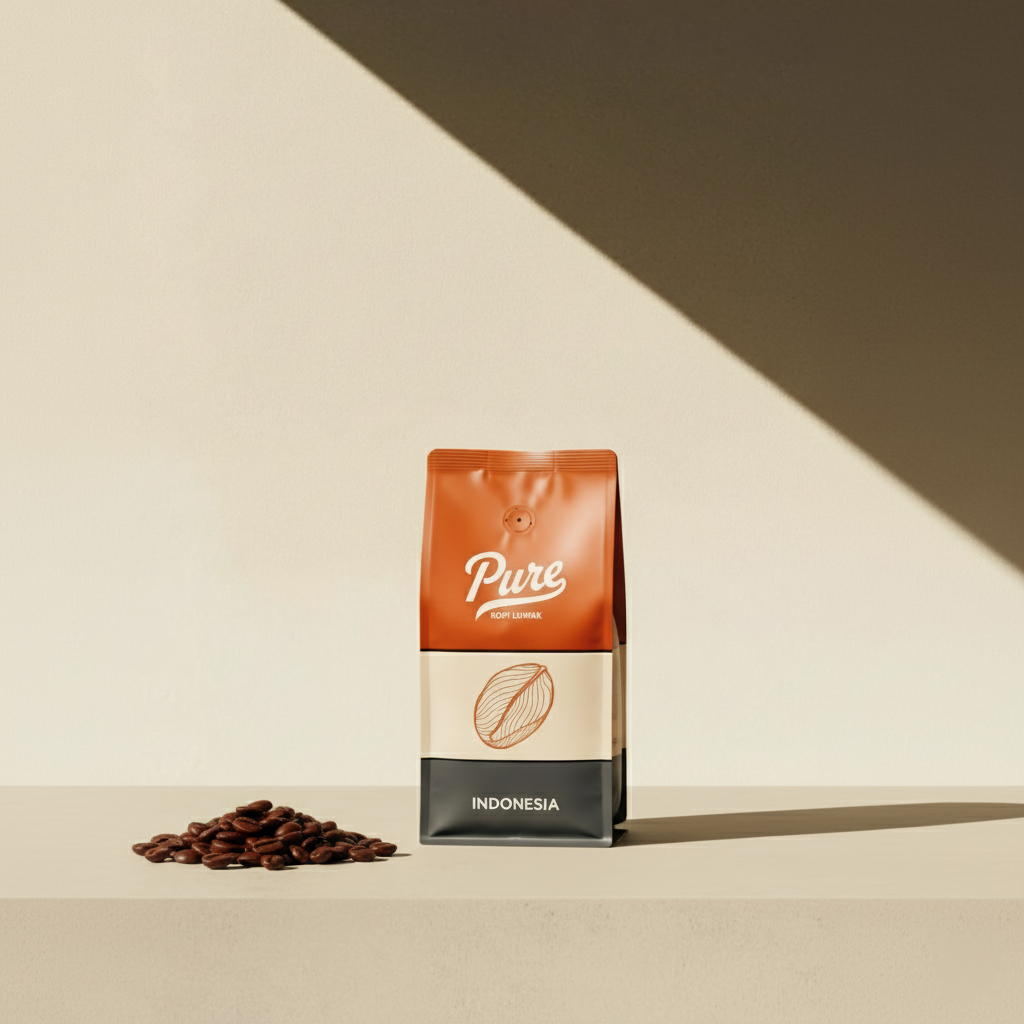
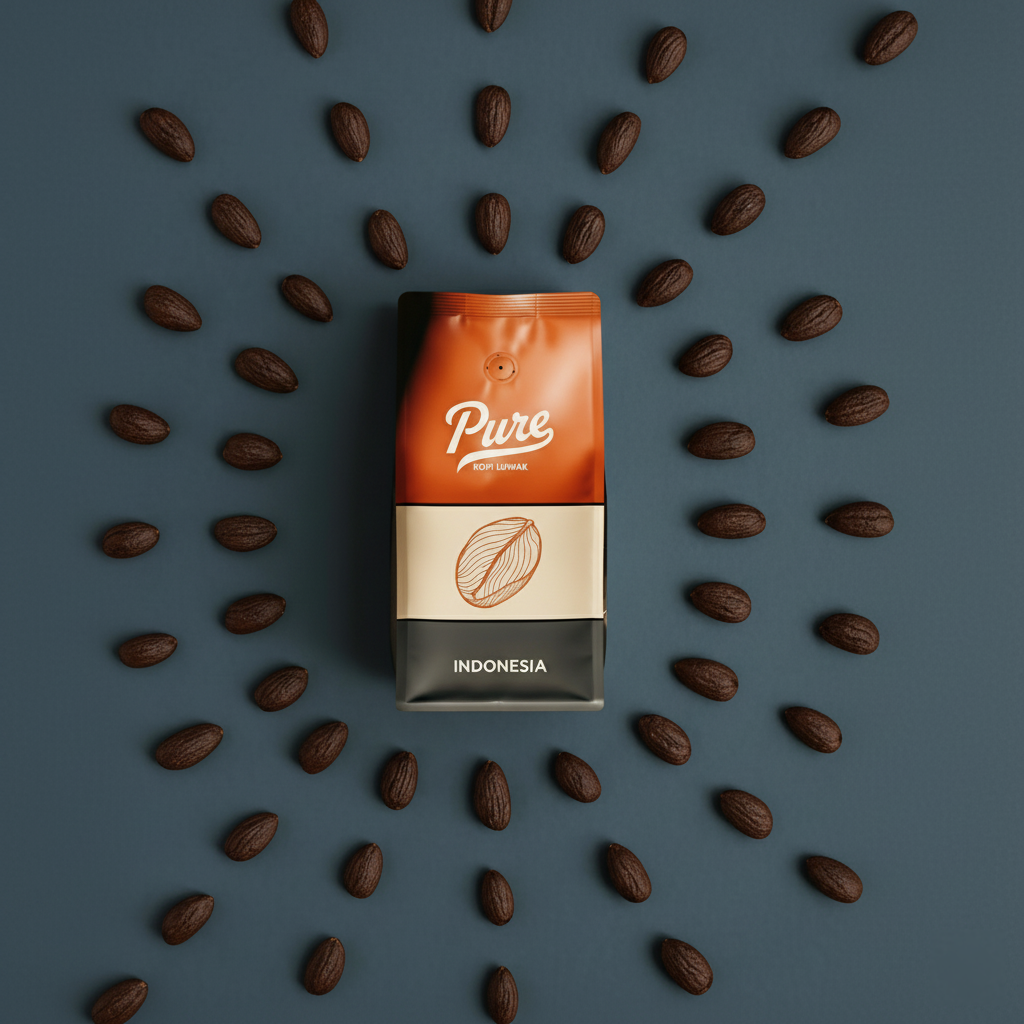
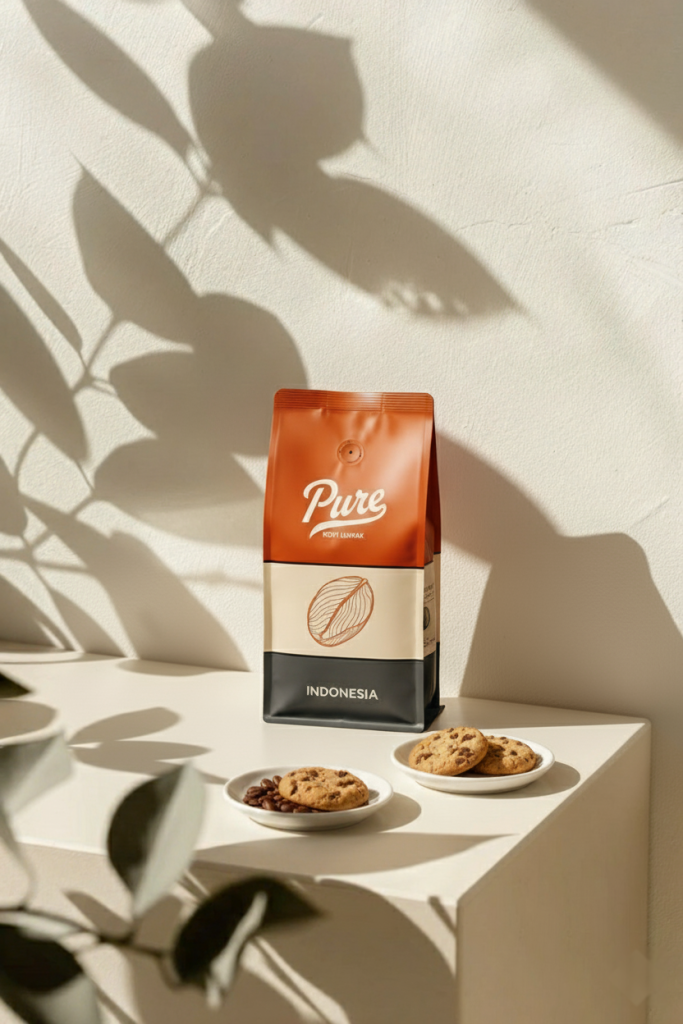
Buy 2 bags and get $25 off. Applied automatically at checkout.
Collected by farming families on the Ijen Plateau and Tengger highlands of East Java, from civets that roam free in protected forest. Never caged, never force-fed. Every batch is independently tested for pesticide residues.
Pour-over or French press at 92–96°C, medium grind, 60 g of coffee per litre. Let the cup cool a minute; the sweetness and long finish show below about 65°C. 100 g makes 10–12 cups, 250 g about 25–30.
Free shipping in the US; international shipping is free over $400 and calculated at checkout below that. Roasted twice a week and shipped within days of the roast. If a bag arrives damaged, reply to your receipt and we replace it.
A 100 g bag makes ten to twelve cups. That works out to about $11 a cup for the coffee restaurants and cafés pour at $35 to $100, and you know exactly where it came from.
Restaurants and cafés pour kopi luwak at $35 to $100 a cup. The coffee in that cup costs about what you pay us; the rest is the venue: rent, service, and the markup that comes with rarity on a menu. We buy from the collectors, roast twice a week and sell by the bag, so you pay for the coffee, not the table.
Comparison uses $50 a cup, the low-middle of published menu prices, times the 11 cups in the bag you selected.
Elevated inositol levels sharpen neural connections and boost cognitive function naturally.
Malic acid powers the Krebs cycle for sustained, even energy — no spike, no crash.
Every batch independently tested — confirmed free of all pesticide residues. Always pure.
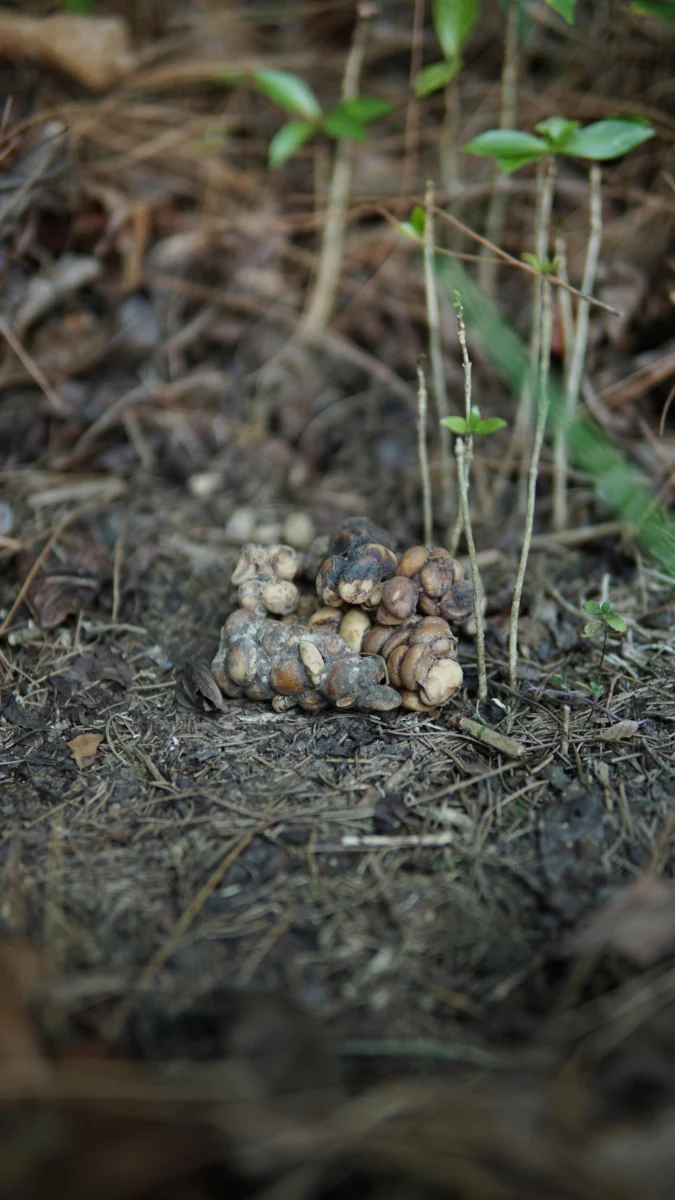
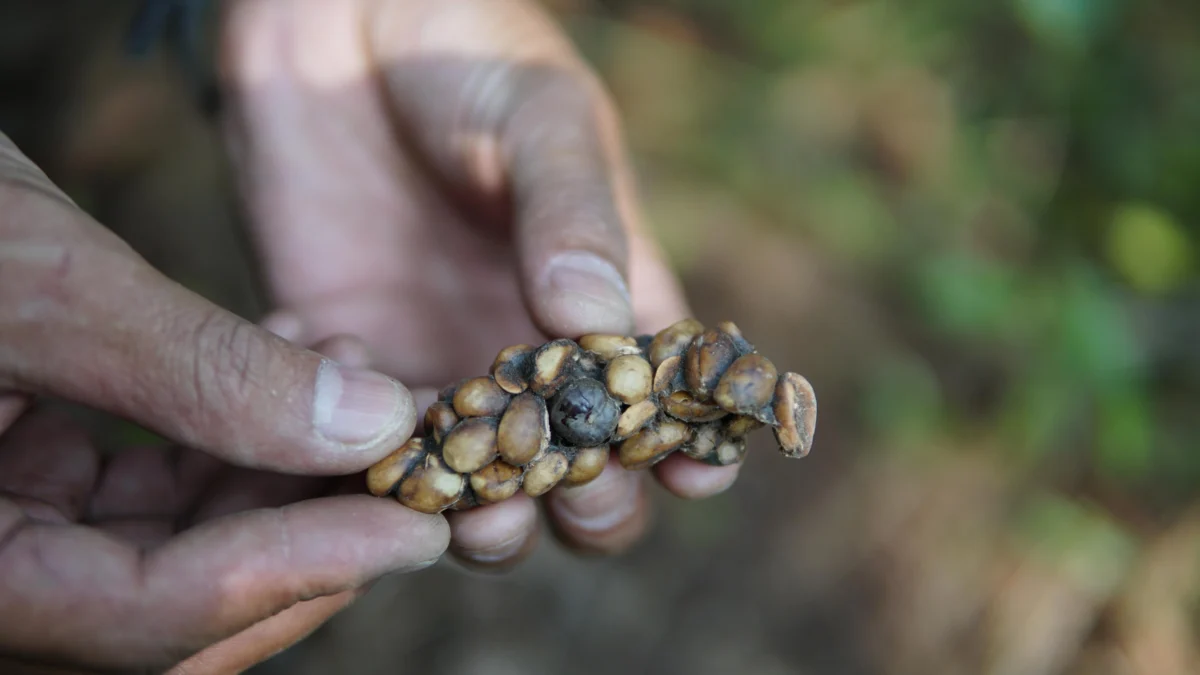
Collected from civets roaming freely in protected rainforests. Never farmed, never caged.
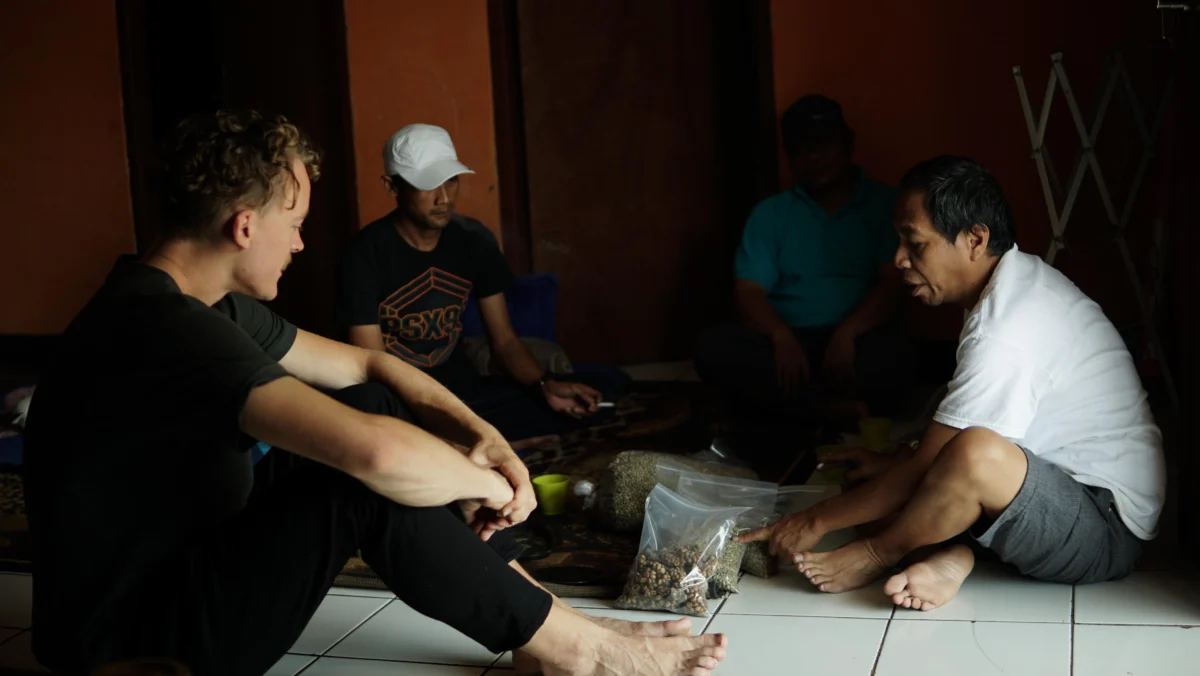
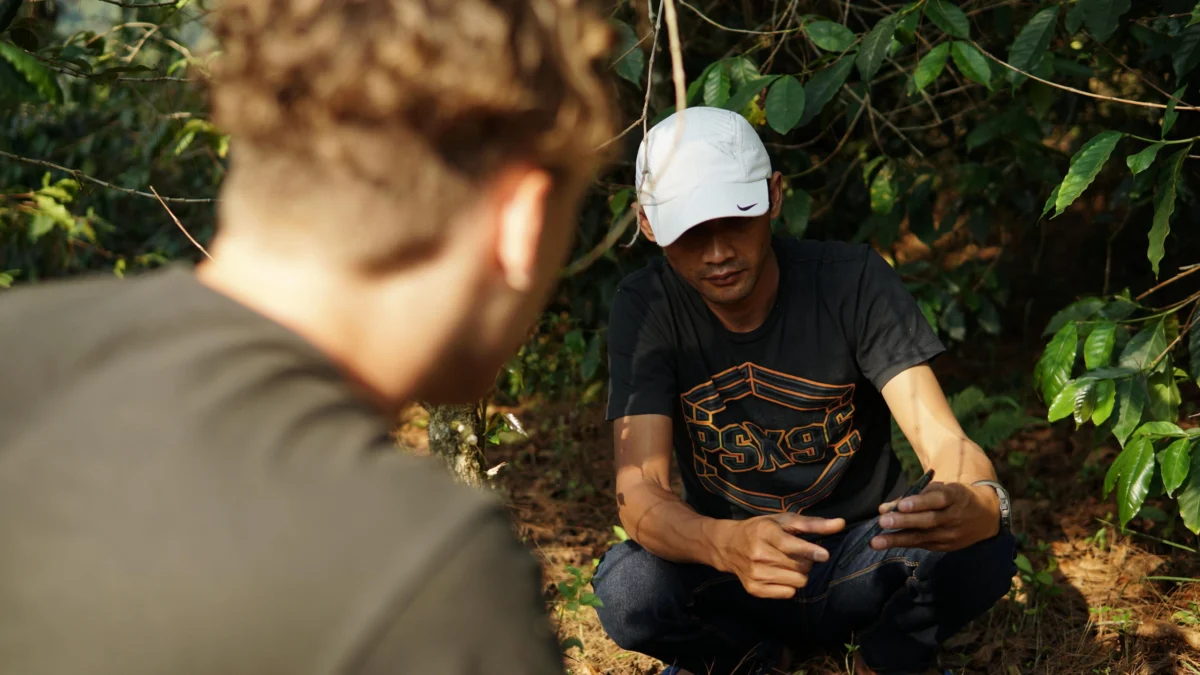
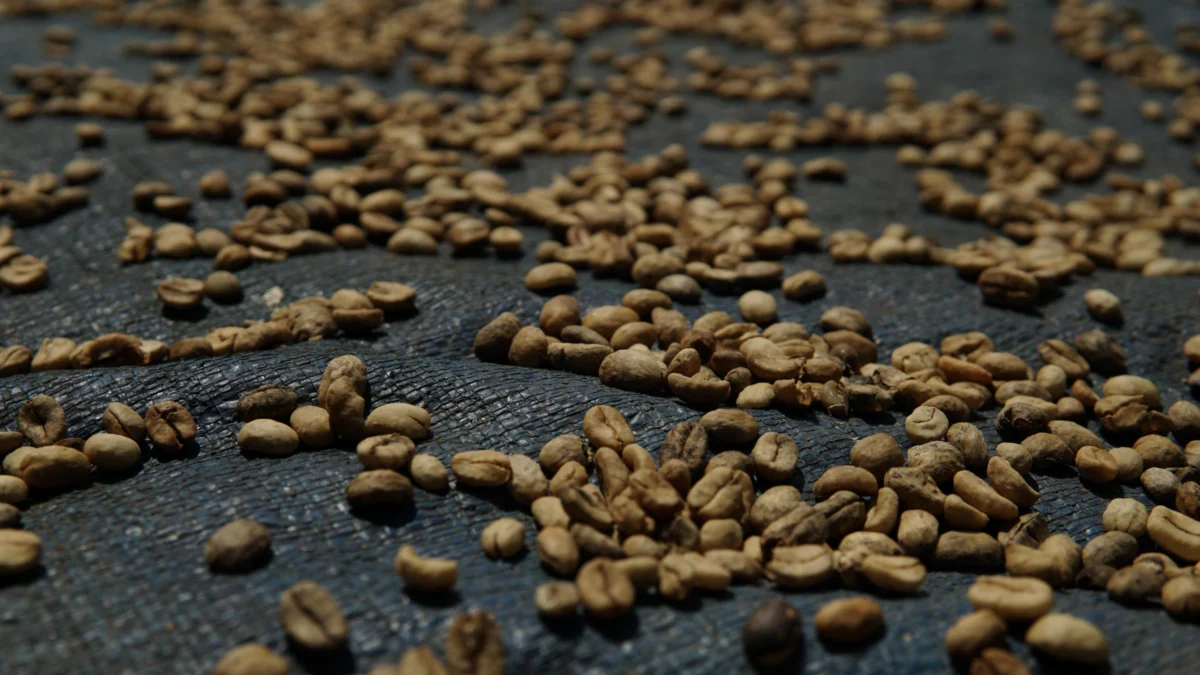
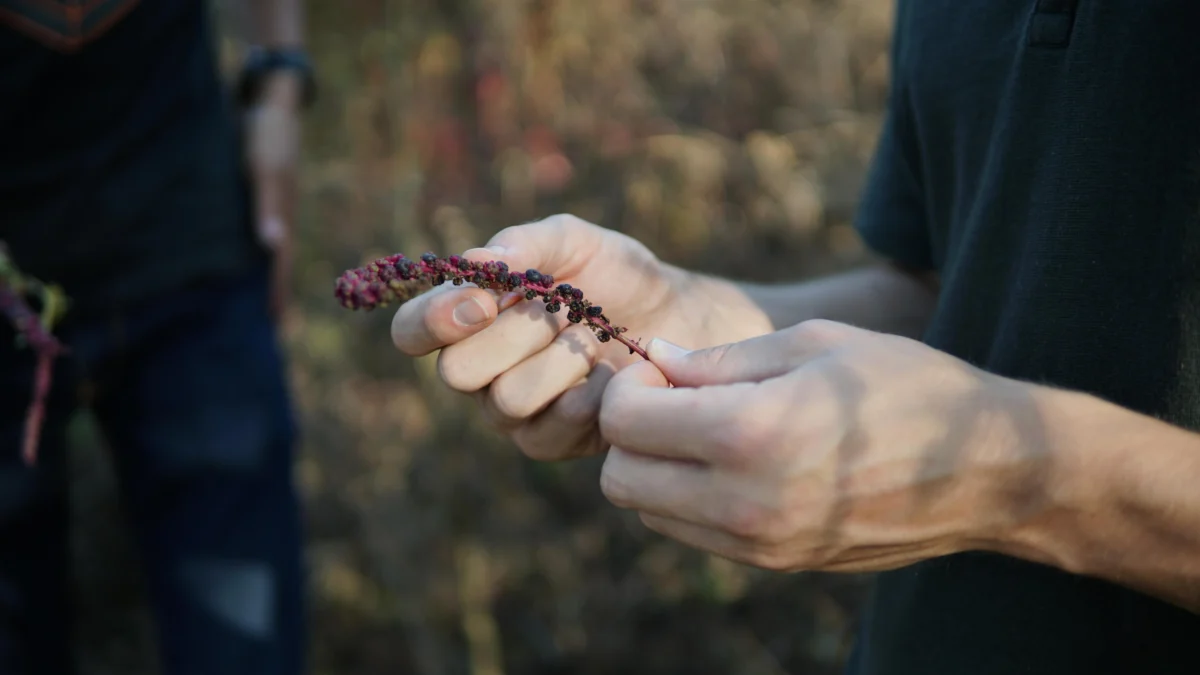
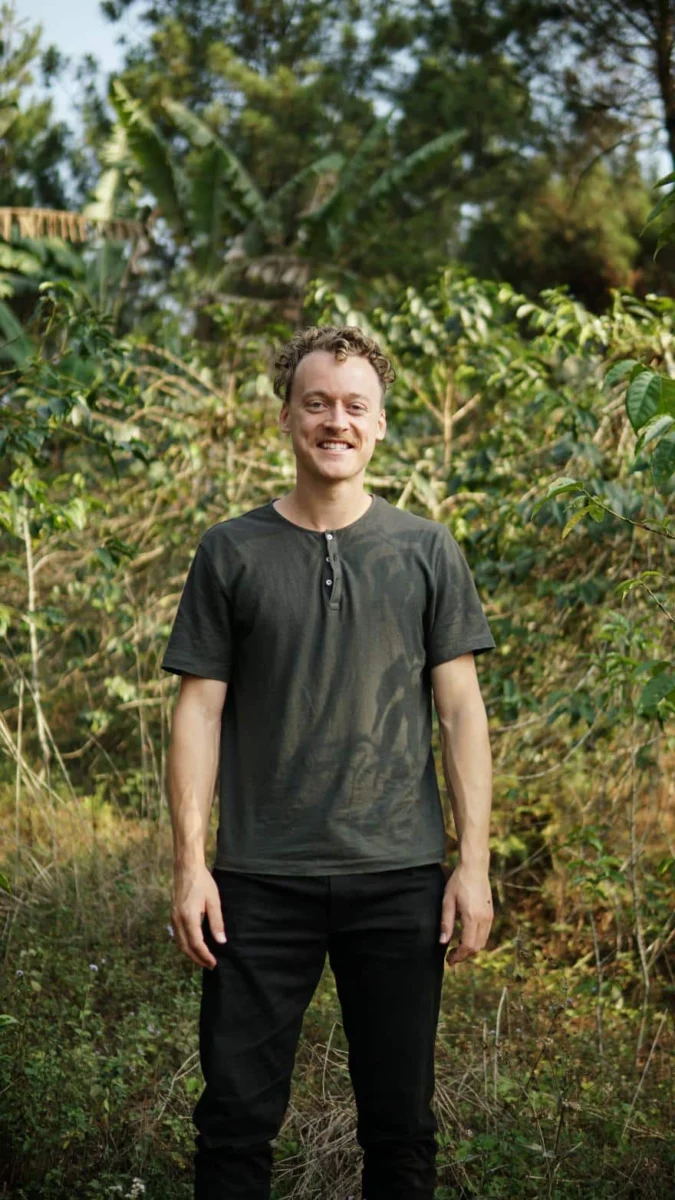
Every bag is hand-sourced in Java, Indonesia by our Wild Sourcing Director, James. Here’s what that actually looks like.
All reviews from verified purchasers
Sep 16, 2026
Got the 100g first to test. Ordered the 250g before the bag was half empty. Addicted is the right word.
Sep 15, 2026
I've been a barista for 8 years. I know coffee. This is legitimately world class.
Sep 14, 2026
Tastes as good as the reviews say. Smooth and slightly sweet without any added sugar.
Sep 13, 2026
My wife switched us from Nespresso pods to this. Best decision she's ever made and I tell her that every morning.
Sep 10, 2026
Genuinely good coffee, no question. I'd just love more info on the sourcing — would be nice to see photos of the farm or the process.
Sep 8, 2026
V60 pour-over, 93°C, 15g dose. Perfect every time. The clarity in this coffee is remarkable.
Sep 8, 2026
Bought this for my book club meetup. Nobody talked about the book. Everyone talked about the coffee.
Sep 4, 2026
Good stuff. I make it as espresso and it's silky smooth. No bitterness at all.
Sep 1, 2026
Smoothest cup I have ever brewed. My french press and I are very grateful. Already reordered.
Aug 30, 2026
I don't write reviews but this deserves one. The smoothest most balanced coffee I've ever tasted.
Completely. After collection, the beans are thoroughly washed, sun-dried, and roasted at 200°C+ — a temperature that fully sterilises them. No bacteria survive the roasting process. Kopi luwak has been consumed safely for centuries and every batch we ship is quality-tested before dispatch.
Kopi luwak is coffee processed by wild Asian palm civets — small cat-like animals native to Southeast Asia. They eat the ripest coffee cherries, and the beans are naturally fermented during digestion before being collected, washed, and roasted. The process produces a uniquely smooth, low-acid cup with earthy, chocolatey notes.
Yes. Our coffee is collected from civets roaming freely in Java's protected rainforests — not from caged or farmed animals. We work directly with a family-run operation that has been ethically sourcing wild Kopi Luwak for over two decades. Every batch is traceable to source.
Significantly. Wild Kopi Luwak is notably smoother, less bitter, and lower in acidity than conventionally processed coffee. The natural fermentation breaks down proteins in the bean, resulting in a cleaner, more complex cup with subtle sweetness.
Kopi Luwak naturally contains roughly 50% less caffeine than standard coffee. The digestive process removes much of the caffeine along with the bitterness-causing compounds, making it a gentler, more sustained energy source with no crash.
We recommend a slow-brew method — pour-over, French press, or AeroPress — to best appreciate the nuanced flavours. Use water just off the boil (92–96°C) and a medium-coarse grind. Avoid harsh espresso extraction, which can overwhelm the delicate notes.
Store in an airtight container away from direct sunlight, heat, and moisture. Do not refrigerate — the temperature fluctuation introduces condensation. Whole beans stay fresh for up to 6 months; ground coffee is best used within 4 weeks of opening.