The opening match of the 2026 FIFA World Cup takes place on June 11 at Estadio Azteca in Mexico City — the iconic 87,000-seat ground that has hosted two World Cup finals, in 1970 and 1986. Mexico kicks off. The tournament stretches 38 days, visits 16 cities across three countries — eleven in the United States, three in Mexico, two in Canada — and runs 104 matches before the final at MetLife Stadium in East Rutherford, New Jersey on July 19.
For the first time in World Cup history, 48 teams compete. Group stage play is relentless: sometimes four matches in a single day. And for fans in New York, Los Angeles, Toronto, and Dallas who have cleared a morning or afternoon for a match involving a team they genuinely care about, the schedule creates something unusual — a five-week stretch of dedicated viewing windows where what you brew matters more than it usually does.
The Early-Morning Match Problem
Group stage fixtures in the 2026 World Cup run across three daily kickoff windows, with the earliest landing at roughly 9:00 AM Eastern / 6:00 AM Pacific for matches at eastern US venues. European fans have afternoon kickoffs — manageable. But the football fan in New York or Toronto who has cleared a Saturday morning for a match they actually care about faces a decision: start the day right, or reach for whatever’s already in the cabinet.
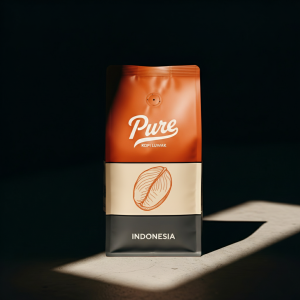
Pure Kopi Luwak
Wild civet coffee from Java. 88.5 SCA cupping score. From $125 for 100g.
Most people default to the cabinet. Drip coffee from a bag opened two weeks ago, slightly stale, adequate but not memorable. It does the job technically. But the World Cup happens every four years. Some of these matches — knockout rounds, a quarterfinal, the final — happen once in a lifetime of fandom. The stakes on the screen are high. The coffee should match.
What Wild Kopi Luwak Does That Regular Morning Coffee Doesn’t
Wild kopi luwak from Java occupies a specific sensory position that makes it unusually appropriate for extended, attentive consumption — exactly what a 90-minute match with two periods of injury time demands.
The bean’s character starts with selection. Asian palm civets (Paradoxurus hermaphroditus) foraging through Java’s highland coffee plantations during harvest season pick only peak-ripe cherries — high in sugars, at the narrow Brix window where flavor development is optimal. The digestive process modifies specific proteins in the bean, reducing the precursors to bitterness that would otherwise develop during roasting. The result is a cup that is notably smooth, full-bodied, and free of the sharp acidity that makes a second cup feel like a bad idea.
For a match that runs 90-plus minutes with a halftime that always extends further than planned, that matters. You don’t want a coffee whose interest is finished before the second half starts. Wild kopi luwak stays complex even as it cools — and doesn’t leave behind the edge that sends people reaching for water between sips.
How to Brew It for a Match
Preparation matters when kickoff is in forty minutes and you don’t want to spend the opening exchanges at the kettle.
Pour-over (V60 or Chemex): Medium-fine grind, 93°C water, 1:15 ratio. Full process takes about four minutes once you’ve boiled. The result is clean and transparent — suited to morning matches when you want alertness without heaviness. The full pour-over method is here.
French press: Coarser grind, 1:14 ratio, four minutes steep. Fuller body, more texture. Better for afternoon or evening matches when you want the coffee to feel like it’s doing something. Brew once, press, pour into a thermal vessel — it holds well for the duration. Full French press guide here.
Either approach is ready in under ten minutes. A 100-gram bag of kopi luwak yields approximately ten cups — enough for multiple viewing sessions across the group stage.
The Gift Angle: The Fan Who Wouldn’t Buy It for Themselves
The serious football fan in your life — the one who has cleared their calendar for June and July, who knows the group stage fixtures by memory, who has a preferred viewing setup at home — probably doesn’t own a bag of wild kopi luwak. Not because they wouldn’t appreciate it, but because spending $125 on a hundred grams of coffee is not how most people approach their own grocery run, regardless of how seriously they take what they’re watching.
That’s exactly the logic for gifting it. A bag of wild Javanese kopi luwak arriving before June 11 carries a natural frame: the coffee for a tournament that happens once every four years. The rarity ratio is right. Something this rare, brewed for an occasion this rare, lands differently than another jersey or a streaming subscription.
Coffee and Attention: Why the Match Deserves More Than the Cabinet Default
A World Cup match rewards attention. The tactical nuances of a high press, the spatial awareness of a striker finding space between defensive lines, the moment a goalkeeper reads a penalty — these things are visible only to someone who is watching, not merely looking. Wild kopi luwak is a similar companion to the screen: one that asks for a moment’s attention at the cup before returning to what’s in front of you, and rewards it with something that stays interesting for the duration.
The 2026 World Cup runs through July 19. There are 104 matches. A 100-gram bag yields approximately ten cups. Choose your ten matches wisely — and brew something that matches what’s on the pitch.
Pure Kopi Luwak
Wild civet coffee from Java. 88.5 SCA cupping score. From $125 for 100g.
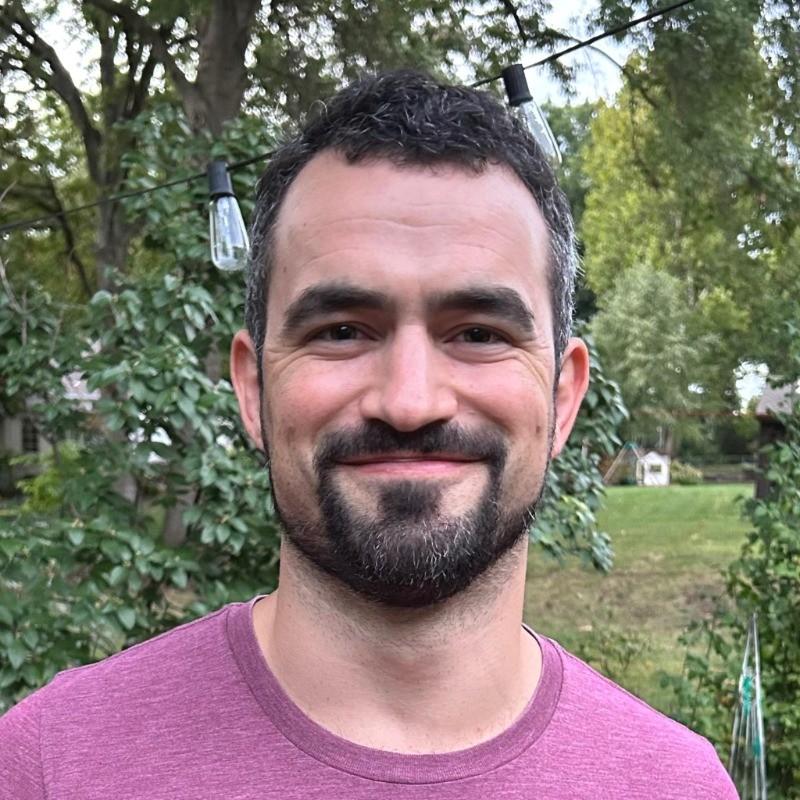
Roger Abbott founded Pure Kopi Luwak in 2018 after a trip through the volcanic highlands of Java, and has bought from the same farming families ever since. He only works with collectors of wild civet coffee, never caged. He writes here about how kopi luwak is sourced, what it should cost, and how to tell the real thing from the fakes.