The first time most people brew kopi luwak in a French press or espresso machine, they get a good cup. The first time they try it in a pour over, they understand what they were missing.
Pour over brewing — water flowing through a paper filter, gravity doing the work — produces a fundamentally different cup from immersion or pressure methods. Cleaner, brighter, more articulate. Every flavor compound either makes it through the filter or doesn’t. This transparency is a liability with mediocre coffee and an asset with exceptional coffee. With wild kopi luwak, it borders on revelatory.
Why Pour Over Suits Kopi Luwak Specifically
French press and AeroPress both use metal or thin paper filters that allow coffee oils — lipids called cafestol and kahweol — to pass into the cup. These oils are why French press coffee feels rich and heavy on the palate. That richness can be pleasant, but it also creates a coating sensation that can soften or obscure subtle notes in the coffee.
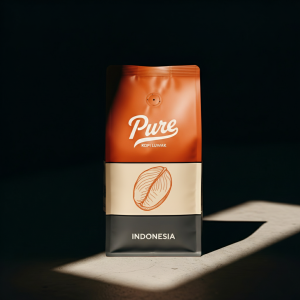
Pure Kopi Luwak
Wild civet coffee from Java. 88.5 SCA cupping score. From $125 for 100g.
Kopi luwak’s distinguishing characteristics — the enzymatically modified protein compounds, the reduced organic acid profile, the smooth low-bitterness finish — are best appreciated in a cup where they’re not surrounded by a layer of oil. The paper filter in a V60 or Chemex absorbs the lipids and passes the water-soluble flavor compounds through cleanly. What you taste in the cup is the coffee unmediated: its exact acidity, its precise sweetness, its finish exactly as long or short as it actually is.
For a $125-$199 bag of Java Arabica, this level of fidelity is worth caring about. If you’re paying for the enzymatic modifications that make this coffee exceptional, pour over is the method that lets you taste them most clearly.
Equipment and Setup
The Hario V60, designed in Japan and introduced in its current spiral-ribbed form in 2004, is the most widely used pour over dripper among specialty coffee professionals for good reason: its large drainage hole and 60-degree cone angle give the brewer significant control over extraction time. A Chemex produces a similar result with its thicker filter; the Kalita Wave is more forgiving for beginners because its flat-bottom design produces a more even extraction without requiring perfect spiral-pour technique.
For kopi luwak, any of these work well. The key variables aren’t the equipment — they’re the grind, the water temperature, and the pour timing.
Grind size for pour over should be medium-fine: roughly the texture of table salt, coarser than espresso but noticeably finer than French press. On a Baratza Encore, this is around setting 14-18. The goal is a total brew time of 2:30-3:30 minutes from the start of your first pour to the last drip. If the coffee drains too quickly (under 2 minutes), grind finer. If it drains too slowly (over 4 minutes), grind coarser.
Water temperature matters more for pour over than for other methods because there’s no immersion period to compensate for under-extraction. For kopi luwak specifically, 92-94°C (198-201°F) is the ideal range — slightly cooler than the 96°C sometimes recommended for high-grown naturals. The enzymatic modifications in kopi luwak mean its flavor compounds extract efficiently at slightly lower temperatures; pushing higher risks sharpening some of the acids that civet processing has already softened.
Try the coffee this article is about
Wild-sourced from Java, 88.5 SCA cupping score, free US shipping. From $125 for 100g.
Shop Pure Kopi Luwak →The Brewing Process, Step by Step
Use a 1:15 ratio by weight: 15 grams of ground kopi luwak to 225 grams of water for a single cup, or 25 grams to 375 grams for two. Weigh both coffee and water if you have a scale — volume measurements introduce too much variability with different grind sizes and different beans.
Rinse your paper filter first with hot water, then discard the rinse water. This removes papery taste from the filter and pre-heats your server or mug. Place the ground coffee in the rinsed filter and create a small well in the center.
Begin with a bloom: pour twice the coffee weight in water (30 grams if using 15g of coffee) into the center of the grounds in a slow spiral. The coffee will bubble and expand — this is carbon dioxide releasing from freshly roasted beans. Let the bloom run for 35-45 seconds. Wild kopi luwak, processed in small batches and roasted to order by reputable suppliers, will bloom vigorously if it’s fresh.
After the bloom, pour the remaining water in two or three additions, in slow concentric circles starting from the center and moving outward without touching the filter walls. Pour each addition as the previous one draws down, keeping the water level relatively consistent. Total pour time from bloom to finish should take 2:30-3:30 minutes.
What to Expect in the Cup
Let the cup cool slightly — 65-70°C is the ideal drinking temperature for appreciating complexity without burning your palate. At this temperature, wild kopi luwak brewed pour over typically shows dark chocolate and earth on the front palate, a mid-palate sweetness that reads somewhere between brown sugar and dried fruit, and a finish that is notably long and clean without the metallic or bitter aftertaste common in other coffees.
If your cup tastes flat or lacks sweetness, your grind is likely too coarse or your water too cool — adjust one variable at a time. If it tastes sharp or slightly harsh, your water was too hot or your brew ran too long.
The pour over method rewards experimentation. Try a 1:16 ratio one morning for a lighter, brighter cup; try 1:14 for something more concentrated and rich. The same bag of Pure Kopi Luwak will behave differently at different ratios, and understanding its range is half the pleasure of an exceptional coffee.
If you’ve been brewing kopi luwak exclusively in a French press or espresso machine, try this method at least once before the bag runs out. The same beans will taste like a different coffee — which, in the best possible sense, is exactly true. The pour over doesn’t improve the coffee. It simply gets out of its way.
Pure Kopi Luwak
Wild civet coffee from Java. 88.5 SCA cupping score. From $125 for 100g.
Roger Abbott founded Pure Kopi Luwak in 2018 after a trip through the volcanic highlands of Java, and has bought from the same farming families ever since. He only works with collectors of wild civet coffee, never caged. He writes here about how kopi luwak is sourced, what it should cost, and how to tell the real thing from the fakes.