There are a lot of kopi luwak sellers. Type it into Google and you’ll find bags priced anywhere from $15 to $600, claims ranging from “authentic” to “award-winning,” and photographs of civets that may or may not reflect how the coffee was actually collected. It can be hard to know what you’re buying.
We built Pure Kopi Luwak to answer that question directly. Not with marketing language — with specifics. Here’s what we actually do, and why each decision matters.
Wild-Sourced from East Java — Not a Caged Operation
Most kopi luwak sold today comes from caged civets. The animals are kept in small enclosures, fed coffee cherries by hand, and their droppings are collected on a production schedule. It’s efficient. It also produces a lower-quality product from an animal welfare standpoint that most buyers — if they knew — would not want to support.
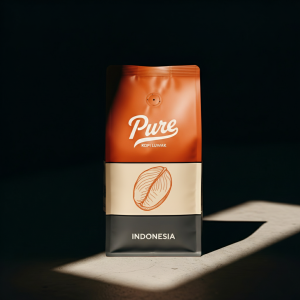
Pure Kopi Luwak
Wild-sourced. Organic. Arabica. From $125.
Our coffee comes from wild Asian palm civets in East Java, Indonesia. Wild civets roam freely and select only the ripest coffee cherries on their own terms. That selectivity is the entire point of kopi luwak — the civet’s digestive process works differently on high-quality, ripe fruit than it does on whatever cherry a caged animal is given that day. Wild collection is slower, less predictable, and more expensive. It also produces a different cup.
East Java is not the destination most tourists associate with kopi luwak. Bali gets the attention; East Java gets less of it. That’s partly why the wild-collection ecosystem there has remained intact. The volcanic Arabica grown on East Java’s slopes — grown at elevation, with the mineral complexity that high-altitude volcanic soil produces — is the base ingredient before the civet is ever involved.
Single Origin, Not a Blend
Single-origin coffee is traceable. You know the region, the altitude, the variety. Blends are not — they can combine beans from multiple sources, multiple harvests, and multiple quality grades in a way that obscures any individual characteristic.
Every bag of Pure Kopi Luwak contains East Java volcanic Arabica. One origin. One variety. Not Robusta, not a commodity filler, not a blend assembled to hit a price point. If you want to understand what you’re tasting, you can trace it to a place.
Roasted After You Order
We roast after you place your order. Not in advance, not in bulk batches that sit waiting for buyers. Your bag is roasted and shipped. Your bag ships within days of roasting.
This matters for a straightforward chemical reason: coffee degrades after roasting. CO₂ off-gasses. Aromatics oxidize. A bag of coffee roasted six months ago and a bag roasted last week are meaningfully different products even if they share the same origin and process. For coffee priced the way specialty kopi luwak is priced, the freshness of the roast shouldn’t be an afterthought.
Why $125 for 100 Grams
We’ve been asked this question directly, and it deserves a direct answer.
Wild collection is labor-intensive and low-yield. A wild civet covers a large range and deposits small quantities of processed beans — you cannot predict where, and you cannot scale it the way you can scale a cage operation. The beans must be located, collected, cleaned, sorted, and processed individually. The East Java Arabica itself is a specialty-grade bean, not commodity-grade. Add roast-to-order logistics, direct shipping to the buyer, and the actual cost structure of running a small-volume specialty operation, and the price reflects what it actually costs to do this properly.
We’ve written about what goes into pricing kopi luwak in the US market and about what cheaper kopi luwak actually represents. The short version: a $30 bag of kopi luwak is almost certainly not wild-sourced Arabica. The economics don’t allow it.
$125 is not a margin grab. It’s what honest wild-collection kopi luwak costs.
James Goes to Java
Our Wild Sourcing Director, James, travels to East Java to work directly with the collectors we source from. This isn’t a stock-photo sourcing story — it’s the actual basis of our supply chain.
Direct relationships with sourcing partners mean we know what we’re buying before it ships. We can assess the collection practices, the cherry quality, the processing. We’re not purchasing through an intermediary who purchased through another intermediary whose original source we couldn’t name.
Transparency in sourcing is not automatic in this market. We’ve made it a structural requirement.
Direct to You
We sell directly. No Amazon storefront. No retailer markup. No bulk distribution that requires coffee to be shelf-stable for twelve months.
Selling direct means we can roast to order, ship within days of roasting. It also means you’re buying from the people who sourced and roasted the coffee, not from a platform that hosts dozens of sellers whose sourcing claims are unverifiable.
The New York Times described kopi luwak as “a refined and expensive cup of coffee.” Refined coffee — the way refined anything is — requires control at every step of the process. Roast-to-order, direct-to-consumer is how we maintain that control after the coffee leaves Java.
Specialty-Grade Arabica, Not Robusta
Robusta is a different species of coffee plant. It’s hardier, easier to grow at lower elevations, and cheaper. It’s also higher in bitterness and lower in the aromatic complexity that defines specialty coffee.
Some kopi luwak on the market uses Robusta beans. This is rarely disclosed on the label.
Our base bean is specialty-grade Arabica from East Java’s volcanic highlands. Arabica grown at elevation, with the right soil and climate, produces the flavor profile — the brightness, the body, the finish — that makes specialty coffee worth drinking. The civet process does something specific to that bean. It does something different to a low-grade Robusta.
We use Arabica because the outcome is better. You can see the full product details here.
We built Pure for the buyer who wants to know exactly what they’re getting. Not a sourcing story that sounds good, but one that holds up when you ask specific questions. Not a price that feels premium without explanation.
Everything above is verifiable. That’s intentional.
Frequently Asked Questions
How do I know the civets are wild and not caged?
Our sourcing is from East Java, where our Wild Sourcing Director James works directly with collectors. Wild collection in East Java is not a tourism product — it operates at low volume and requires direct relationships with people doing the collection on the ground. Caged operations are higher-yield and lower-cost; the economics of our pricing reflect wild-collection costs. We don’t have an external certification to wave at you, but we can tell you the origin, the region, and the people involved.
What does “roasted to order” actually mean for delivery timing?
It means we roast after your order is placed, not before. Your coffee ships within days of roasting — typically within a few days of the roast.
Is there a noticeable difference in taste compared to other kopi luwak?
We’re not going to tell you what to taste. What we can say is that wild-sourced, single-origin Arabica processed by wild civets produces a different cup than caged-civet Robusta. The fermentation character in wild kopi luwak is subtler, the body fuller, the bitterness lower. Whether that difference is worth the price is a question each buyer answers themselves.
Why not sell on Amazon?
Because roast-to-order doesn’t work through Amazon’s fulfillment model. Coffee sitting in an Amazon warehouse loses the freshness that makes specialty coffee worth the price. We’d rather sell fewer bags direct than compromise the product by warehousing it.
Pure Kopi Luwak
Wild-sourced. Organic. Arabica. From $125.
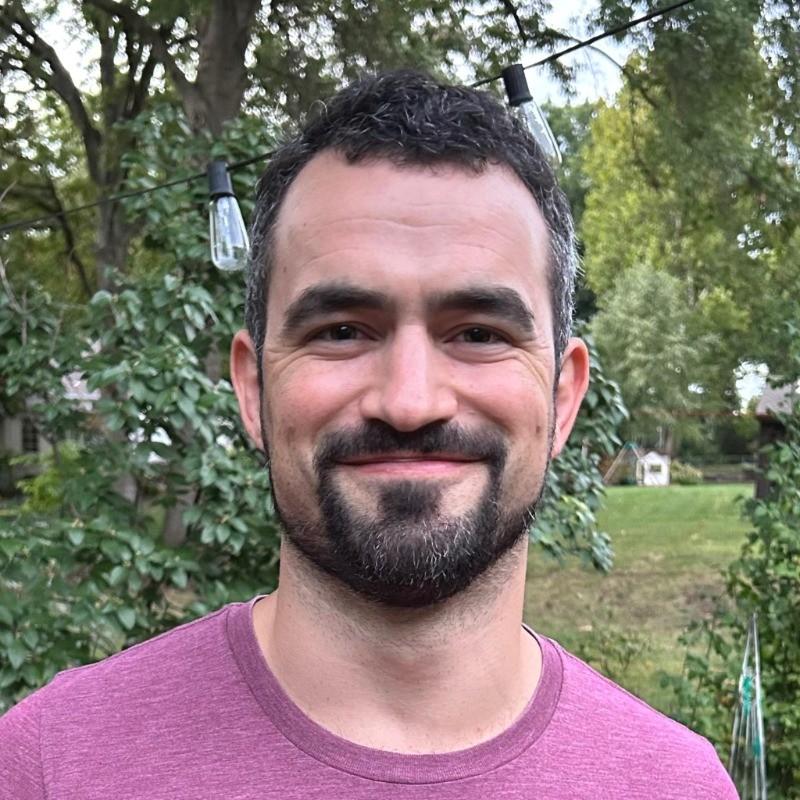
Roger Abbott is the founder of Pure Kopi Luwak. He has spent over a decade sourcing wild kopi luwak directly from farmers and collectors in the highlands of Java, Indonesia — working exclusively with wild civets, never caged. He writes about specialty coffee, Indonesian origins, and the science behind what makes kopi luwak taste the way it does.
