The assumption that all kopi luwak tastes essentially the same is reasonable if you’ve never thought carefully about where it comes from. It’s also wrong. Indonesia is an archipelago of more than 17,000 islands spread across 5,000 kilometers, and the coffee grown on different islands reflects meaningfully different growing conditions, processing traditions, and flavor outcomes. When those beans pass through a civet’s digestive tract, those differences don’t disappear — they persist, and in some cases they intensify.
Gayo, in the highlands of Aceh province in northern Sumatra, and Java, the island immediately east of Bali, represent the two most widely available origins for wild kopi luwak. They produce genuinely distinct cups. Understanding the difference matters for buyers who care about what they’re purchasing — and it matters for understanding why Java-sourced kopi luwak expresses the civet’s enzymatic contribution more clearly than its Sumatran counterpart.
Gayo Kopi Luwak: The Earth and the Body
The Gayo highlands in Aceh sit at elevations between 1,200 and 1,500 meters around Lake Laut Tawar, a volcanic crater lake that creates a distinctive microclimate. The soil is volcanic and mineral-rich, the temperatures are cool and relatively consistent, and the primary Arabica varieties grown there — including the local Ateng and Timtim cultivars — have adapted over generations to this specific environment. These conditions produce a base coffee with pronounced body, earthy depth, and a herbal complexity that differs from anything grown on Java.
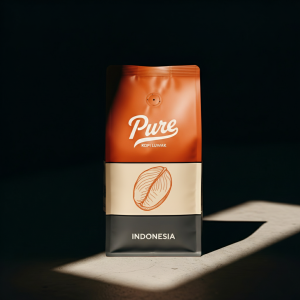
Pure Kopi Luwak
Wild civet coffee from Java. 88.5 SCA cupping score. From $125 for 100g.
What distinguishes Gayo coffee at a processing level, however, is the wet-hulling method — known locally as giling basah — that is nearly universal in Sumatran coffee production. In this process, the parchment layer is removed from the bean at a much earlier stage than in conventional washed or natural processing, while the bean still contains significant moisture. The result is a rougher, more open bean surface that absorbs environmental conditions differently during drying, and a flavor profile that trends toward earthy, mushroom-like, and full-bodied characteristics that define what most Western coffee drinkers know as “Sumatran style.”
For Gayo kopi luwak specifically, this means the civet’s enzymatic transformation is working on a bean that will subsequently undergo wet-hulling — a second significant transformation. The compound effect produces a cup with exceptional body and complexity, but one where the specifically civet-related smoothness and reduced bitterness can be partially masked by the earthy, rustic character that wet-hulling contributes. For buyers who want maximum body and earth, Gayo kopi luwak delivers that. For buyers who want to taste exactly what the civet’s digestive transformation does to a coffee bean, the signal is somewhat obscured.
Try the coffee this article is about
Wild-sourced from Java, 88.5 SCA cupping score, free US shipping. From $125 for 100g.
Shop Pure Kopi Luwak →Java Kopi Luwak: Clarity and the Civet’s Contribution
Java’s main kopi luwak-producing regions — the Ijen plateau in East Java and the Tengger highlands around Bromo-Tengger-Semeru — sit at elevations between 900 and 1,500 meters on comparably volcanic soil. The Arabica grown here includes Typica and local Javanese varieties that produce a coffee with moderate body, cleaner acidity, and a flavor profile that leans toward chocolate, nuts, and a mild earthiness that’s softer and more restrained than Sumatra.
Java’s processing tradition is closer to washed or semi-washed — the parchment is removed after full drying rather than early in the process, which produces a cleaner, more defined cup and preserves the bean’s inherent flavor properties more intact. This matters enormously for kopi luwak specifically. When the civet’s enzymatic work — the partial hydrolysis of bitterness-precursor proteins, the modification of organic acid concentrations — operates on a bean that will not subsequently undergo wet-hulling, the results of that transformation are legible in the final cup. The smoothness is cleaner. The reduced bitterness is more apparent. The characteristics that define what makes wild kopi luwak different are more clearly expressed.
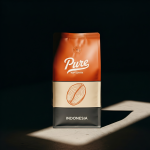
This is why Pure Kopi Luwak, sourced exclusively from wild civets on farms in the volcanic highlands of West Java, represents the origin most suited to expressing the specific qualities that distinguish authentic wild kopi luwak from conventionally processed alternatives. The island’s cleaner processing tradition doesn’t mask the civet’s contribution — it puts it on display.
What This Means When You’re Buying
For buyers who want to understand what wild kopi luwak actually is — what distinguishes it mechanically and sensorially from other coffees — Java-sourced beans tell that story more clearly. The smoothness, the low bitterness, the full body without sharp acidity: these are the civet’s fingerprints on the bean, and they’re most visible when the subsequent processing doesn’t add competing flavors.
For buyers who want the fullest, heaviest, most complex cup and are less interested in the specific signature of the civet process, Gayo kopi luwak’s wet-hulled depth offers something different and genuinely appealing in its own right. The trade-off is that the earthy, herbal character of Sumatran wet-hulling competes with the subtler transformations the civet contributes.
Neither origin is categorically superior. They’re two different expressions of what kopi luwak can be across Indonesia’s diverse geography. But understanding the difference is what separates a buyer who knows what they’re purchasing from one who is simply trusting the label. The origin question matters. It always has for premium coffee — and it matters at least as much for the world’s rarest. For more context on how Indonesia’s two major coffee islands differ at the base level, the full comparison is in our post on Sumatra versus Java coffee.
Pure Kopi Luwak
Wild civet coffee from Java. 88.5 SCA cupping score. From $125 for 100g.
Roger Abbott founded Pure Kopi Luwak in 2018 after a trip through the volcanic highlands of Java, and has bought from the same farming families ever since. He only works with collectors of wild civet coffee, never caged. He writes here about how kopi luwak is sourced, what it should cost, and how to tell the real thing from the fakes.