The Scotch Whisky Association reported that in 2023, Scotch whisky exports exceeded £5.6 billion in value while volumes remained roughly flat compared to the previous decade. The growth wasn’t in unit sales. It was in the price per bottle — driven specifically by single malt expressions, which grew faster than blends across every major export market. This is worth pausing on. The people who drink whisky are spending more per bottle, not more often. They are choosing quality over quantity, and they’re willing to pay substantially for it.
This is precisely the mindset that makes single malt drinkers the most likely new kopi luwak converts of any consumer demographic. Not because the drinks are similar — they aren’t — but because the philosophy behind choosing them is identical.
The Flavor Language Is Already Shared
The Scotch Malt Whisky Society’s tasting framework, which guides professional nosing and evaluation, contains many of the same descriptors that appear on specialty coffee cupping sheets. Chocolate. Dark caramel. Dried stone fruits. Tobacco. Earthiness. A specific kind of warm, long finish that resists easy categorization. When a whisky notes “dark chocolate and wet forest floor on the nose, dried fig and spice on the mid-palate,” that vocabulary belongs equally comfortably to a high-quality kopi luwak tasting note.
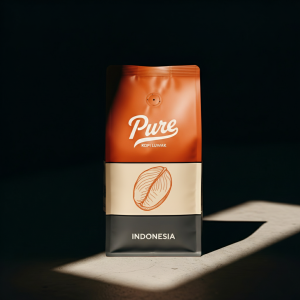
Pure Kopi Luwak
Wild civet coffee from Java. 88.5 SCA cupping score. From $125 for 100g.
The SCA Coffee Taster’s Flavor Wheel, developed in the 1990s and revised in collaboration with World Coffee Research in 2016, maps coffee flavors across the same general territory. Body, finish, mouthfeel — concepts that serious whisky drinkers understand intuitively — matter just as much in premium coffee evaluation. The person who notices the difference between a sherried Speyside and a peated Islay is already operating with sensory precision that most coffee drinkers never develop. Hand them a cup of properly brewed wild kopi luwak and they will use that precision immediately.
Try the coffee this article is about
Wild-sourced from Java, 88.5 SCA cupping score, free US shipping. From $125 for 100g.
Shop Pure Kopi Luwak →The Rarity Logic Translates Directly
A Glenfarclas 40-year-old single malt costs over £1,000 a bottle. People who buy these bottles are not confused about whether the liquid is objectively worth that price on a cost-per-sip basis. They understand that rarity — limited production, finite aging, location-specific distilling conditions — creates a different category of value. The price is partly about the substance and partly about what the substance represents: the result of a specific, irrepeatable process applied to a specific, limited source material.
Wild kopi luwak follows the same logic. Authentic wild production across all of Indonesia is estimated at between 50 and 500 kilograms per year. Not 500 tonnes. Not 500 bags. 500 kilograms at absolute maximum, from a process that cannot be industrialized or scaled — wild Asian palm civets (Paradoxurus hermaphroditus) selecting coffee cherries in the Javanese highlands at night, eating only peak-ripe fruit, and passing them through a digestive system that has evolved to process exactly this material. The enzymatic transformation that occurs — partial hydrolysis of bitterness precursors, modification of the acid profile — cannot be replicated by machine or chemistry. There is no shortcut that produces the same result.
The whisky drinker understands this argument immediately because they already believe it. They’ve already paid for it, in a different glass.
Provenance Matters to Both
Single malt Scotch requires, by law, that the whisky be distilled and aged entirely in Scotland. The geographical indicator isn’t just marketing — it encodes specific production conditions, water sources, aging environments, and centuries of cumulative knowledge. A Speyside distillery on the River Fiddich produces a distinctly different product from an Islay distillery on a wind-exposed Atlantic coast, and this is not incidental. It is the point. Origin is flavor.
The same logic applies to wild kopi luwak, and serious buyers apply it directly. Java-sourced wild kopi luwak from high-elevation Arabica plantations produces a different flavor profile than Sumatran Gayo production — different terroir, different civet populations, different cherry varieties and harvest timing. The Sumatra vs Java difference in conventional coffee is well-documented; in kopi luwak, where the starting material quality sets the ceiling on what the civet’s processing can achieve, origin is even more decisive.
A whisky drinker asking “where is this from?” and receiving a specific, verifiable answer — not “Indonesia” as a nation, but a named farm in the volcanic highlands of West Java — will respond the same way they do to “Glenfarclas, Speyside, est. 1836.” They know what specificity means. It means someone stood behind the product.
The Practical Entry Point
For the whisky drinker who wants to explore this, the entry point is simpler than most specialty coffee categories. Wild kopi luwak’s exceptional smoothness — a direct product of enzymatic protein reduction during digestive processing — means it is difficult to over-extract or ruin with minor brewing errors. French press, pour over, AeroPress: all produce excellent results without demanding the dialed-in precision that espresso requires. The coffee is forgiving in the way that a well-made sherried single malt is forgiving — it has character that survives temperature variation, imprecise water quality, and less-than-perfect equipment.
Start with 100g of wild Javanese kopi luwak, a medium-coarse grind, and water just off the boil. Brew it in a French press. Drink it without milk, at least the first time — for the same reason you don’t dilute a good Scotch until you’ve tasted it neat. The flavors are there. They are not subtle. But they require about thirty seconds of attention to arrive, and that thirty seconds is the point.
The whisky drinker who takes that thirty seconds rarely goes back to anything else as a first-cup-of-the-morning choice. They have, after all, spent years training for exactly this kind of experience.
Pure Kopi Luwak
Wild civet coffee from Java. 88.5 SCA cupping score. From $125 for 100g.
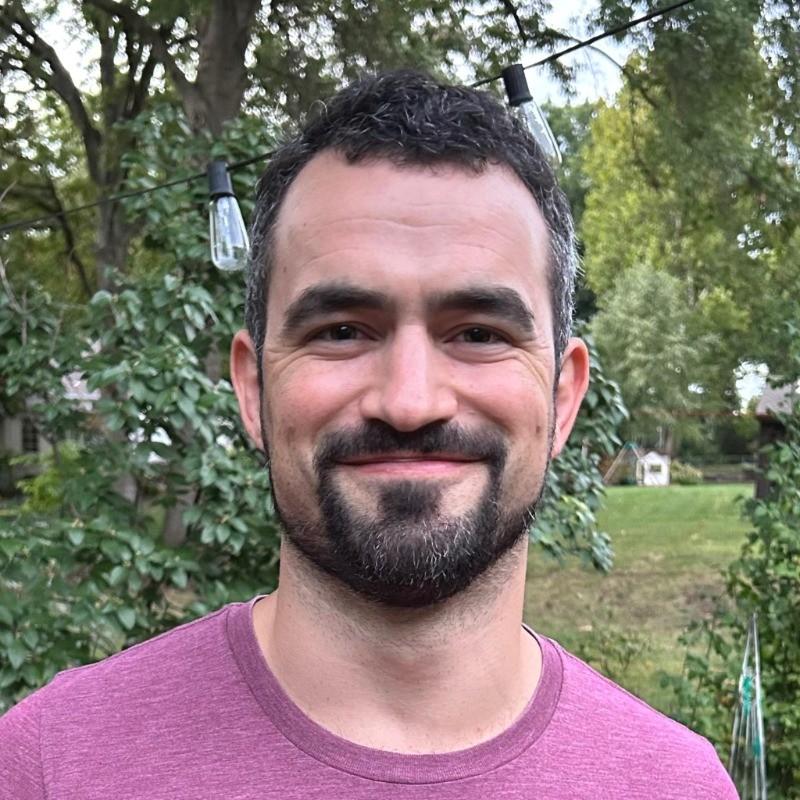
Roger Abbott founded Pure Kopi Luwak in 2018 after a trip through the volcanic highlands of Java, and has bought from the same farming families ever since. He only works with collectors of wild civet coffee, never caged. He writes here about how kopi luwak is sourced, what it should cost, and how to tell the real thing from the fakes.