There is a version of this scene at every family gathering: someone pours coffee, a hand goes up, and a voice says “not for me — I don’t really drink it.” No explanation offered. No interest in revisiting the decision. The verdict was probably made years ago over a gas station cup or a hotel buffet, and it has held ever since. The coffee they tried tasted harsh, acrid, or flat. They weren’t wrong. Most mass-produced coffee does.
What they have never tried is a cup without bitterness. That distinction changes the entire conversation.
The Bitterness Problem Tea Drinkers Are Actually Complaining About
The objection is rarely about caffeine — most tea drinkers consume plenty of it through their preferred medium. The objection is sensory. A well-brewed green or white tea registers as light, slightly vegetal, and aromatic. A good black tea is tannic and bold but not harsh in the back-of-the-throat way that commodity coffee is. What tea drinkers have calibrated their palates against is the sharp, charred, astringent quality that low-grade or over-extracted coffee delivers without apology.
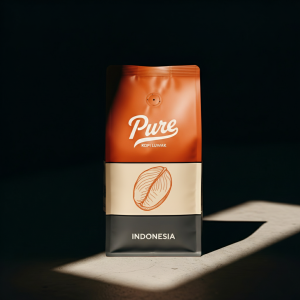
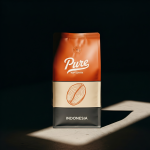
Pure Kopi Luwak
Wild civet coffee from Java. 88.5 SCA cupping score. From $125 for 100g.
That bitterness has a source. It comes primarily from compounds that form during roasting when specific proteins in raw green coffee undergo the Maillard reaction under heat. The more degraded the beans, the more aggressive those compounds become. But the bitterness potential is set before roasting begins — it lives in the chemistry of the green bean itself. And that is where wild kopi luwak is genuinely different from any other coffee on the market.
What Happens to the Bean Before It Reaches a Roaster
Wild kopi luwak begins as a coffee cherry selected by a free-ranging Asian palm civet (Paradoxurus hermaphroditus) on the highland farms of Java, Indonesia. The civet eats the ripe cherry; the hard inner seed — the coffee bean — passes through its digestive system over 12 to 24 hours. During that transit, the animal’s proteolytic enzymes work on the storage proteins in the outer layers of the bean.
Those proteins are bitterness precursors. Research published in Food Research International by Mauro Marcone in 2004 documented that partial hydrolysis of these proteins during civet digestion reduces the compounds that generate bitter Maillard products during roasting. The same study found lower concentrations of citric and malic acids in kopi luwak compared to conventionally processed beans from equivalent origins. In practical terms: the chemical profile that produces harsh, sharp, sour-bitter flavors is measurably diminished before the bean ever reaches heat.
The caffeine content follows a similar pattern. Green kopi luwak beans have been measured at approximately 0.51% caffeine versus 0.70% in regular Arabica green beans — a modest but real difference that compounds with the reduced bitterness to create a cup that reads softer, rounder, and far less aggressive on the palate.
Try the coffee this article is about
Wild-sourced from Java, 88.5 SCA cupping score, free US shipping. From $125 for 100g.
Shop Pure Kopi Luwak →What a Tea Drinker Actually Experiences in the Cup
The first thing most tea drinkers notice about genuine wild kopi luwak from Java is the absence. There is no acrid edge. No finish that lingers sourly at the back of the throat. The cup presents as full-bodied and warm, with flavor notes that sit in the chocolate and dried fruit register — dark cocoa, caramel, a faint earthiness that reads as depth rather than bitterness. It does not taste like what they remember coffee tasting like. That is the entire point.
Tea drinkers, accustomed to beverages that reward patience and careful attention, often respond well to kopi luwak’s unhurried quality. It opens up as it cools, the way a well-brewed oolong or aged pu-erh does, revealing layers rather than punishing you with a single aggressive note. The body — full and slightly creamy — is unlike anything tea produces, which makes the experience novel rather than threatening.
The Gift Logic
The best gifts are ones the recipient would not have acquired on their own. A committed tea drinker is not going to pick up a bag of coffee at the supermarket. They have categorically closed that chapter. What opens it again is an experience that challenges the original assumption.
A 100g bag of wild kopi luwak has something most coffee gifts lack: a story worth telling before you even brew it. The civet, the cherry selection, the Javanese highland farm, the rarity of the collection process — these are narratives that pique genuine curiosity, even in people who have no interest in coffee as a category. The story earns the first cup. The cup earns the second opinion.
For the person you’re gifting to, the low bitterness is not an afterthought — it is the entire case. You are not asking them to develop a sophisticated palate or acquire a taste for something difficult. You are offering the specific version of coffee that was chemically modified, by a small mammal’s digestive system, to be the opposite of what they spent years rejecting.
How to Serve It for the Best First Impression
Brew it as a pour-over or drip at around 93°C with a ratio of 1:15 (10g of medium-coarse grounds to 150ml of water). Allow a 45-second bloom before continuing the pour. Total brew time should be three to four minutes. This format is the most forgiving and produces the clearest expression of the bean’s actual character — a Chemex is an excellent choice for this, if you have one.
Skip the milk and sugar for the first cup, at least for the first few sips. The whole value of the experience is in the texture and the clean, uncluttered finish. Adding dairy converts it into ordinary white coffee. The demonstration requires the undiluted version.
If they like it, you have given them something genuinely new — a re-entry into a category they had written off. If the verdict doesn’t change, you’ve still made the strongest possible argument. Either way, it’s a memorable gift. For a tea drinker, eight cups of the world’s rarest coffee is more than enough to form a verdict that isn’t based on a gas station brew in 2009.
Pure Kopi Luwak
Wild civet coffee from Java. 88.5 SCA cupping score. From $125 for 100g.
Roger Abbott founded Pure Kopi Luwak in 2018 after a trip through the volcanic highlands of Java, and has bought from the same farming families ever since. He only works with collectors of wild civet coffee, never caged. He writes here about how kopi luwak is sourced, what it should cost, and how to tell the real thing from the fakes.