The specialty coffee cafe in your neighborhood almost certainly doesn’t serve wild kopi luwak. The place with the single-origin rotating menu and the barista who walks you through every brew method — they have a Kenyan AA, a washed Ethiopian, maybe a Panama Gesha as a guest pour on a good month. They do not have wild civet coffee from Java. This is not because they haven’t heard of it, or because they find the concept unappealing. It’s because the supply chain makes it nearly impossible for a cafe to serve genuine wild kopi luwak consistently, honestly, and at a price customers will pay without walking out.
Understanding why cafes don’t stock it tells you exactly why buying directly is the right approach for the genuine article.
The Supply Problem
Authentic wild kopi luwak production is limited to a few hundred kilograms annually, globally. The civets that produce it are free-roaming animals in Java’s highland forests; they cannot be directed toward higher output, and any attempt to increase supply by confining them — caging them, controlling their range, managing their diet — produces a fundamentally different product. A specialty cafe that commits to offering kopi luwak as a menu item needs a consistent, reliable supply of product it can stand behind. Authentic wild supply does not work that way.
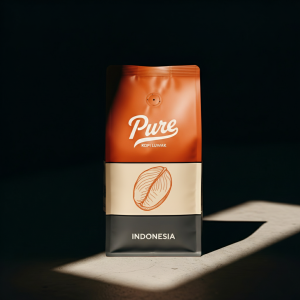
Pure Kopi Luwak
Wild civet coffee from Java. 88.5 SCA cupping score. From $125 for 100g.
What cafes in tourist destinations sometimes serve instead is a different product entirely: commercially farmed kopi luwak from caged civets, usually from Bali or Sumatra, sold at a price point that allows cafe margins but does not represent wild-sourced coffee. Investigative reporting dating back more than a decade has documented that most kopi luwak served in Bali coffee tours and tourist cafes is produced under conditions that bear no resemblance to wild collection. The product exists under the same name; its provenance is usually false.
A cafe serving what it claims is kopi luwak is almost certainly not serving wild kopi luwak. It might be serving caged-civet coffee, a blend with a small percentage of actual kopi luwak, or something that was labelled kopi luwak somewhere in the supply chain without meaningful verification. The distinction between wild and caged production matters both ethically and in terms of what ends up in the cup.
Try the coffee this article is about
Wild-sourced from Java, 88.5 SCA cupping score, free US shipping. From $125 for 100g.
Shop Pure Kopi Luwak →The Pricing Problem
Authentic wild kopi luwak costs $125 to $199 per 100g at retail. A standard espresso dose is 9 to 12 grams, which means a 100g bag yields roughly eight to eleven espresso shots. At cafe margins — typically three to four times the cost of raw materials for espresso drinks — a single shot of genuine wild kopi luwak would need to be priced at $45 to $75 to be economically viable. Some cafes in Singapore, Tokyo, and London have served kopi luwak at those prices. In most Western markets, that price point sits above what customers will pay for a single coffee without significant ceremony around it.
The cafe pricing data reveals that most establishments charging $10–$30 for “kopi luwak” are not working with genuine wild product. The numbers simply don’t work at that price, which means something is wrong with either the pricing or the product.
The Provenance Problem
Specialty coffee culture in 2026 is deeply invested in traceability. The best roasters can tell you the farm, the lot, the varietal, the processing method, and the cupping score for every bag they sell. That level of documentation is now standard for high-end single-origin programs because it’s what serious buyers expect.
Wild kopi luwak is difficult to document at that granularity because collection happens in the forest, not on a managed farm plot. What authentic suppliers can and should document is the sourcing region, the collection method, the cleaning and processing protocol, and independent verification of authenticity. Metabolomics-based authentication — using NMR spectroscopy to compare the chemical fingerprint of a claimed kopi luwak against known wild samples — exists as a verification tool and some producers use it. But a cafe, buying from a distributor who bought from an importer who bought from a broker, is several steps removed from any of that documentation.
This is another reason the direct-to-consumer model is the right purchase channel. A supplier who sources wild kopi luwak from Java and ships directly to buyers has a clear, verifiable chain of custody. A cafe has a menu item.
What the Absence Tells You
The fact that reputable specialty cafes don’t serve genuine wild kopi luwak is not a mark against the product. It is the product’s reality reflecting its nature. Something that is genuinely rare, genuinely expensive, and genuinely difficult to authenticate through intermediary supply chains will not land on a cafe menu — not because it is unworthy, but because the cafe model doesn’t support it.
The parallel is with aged single-malt whisky. A 25-year Macallan does not appear on every bar’s spirits list because it is too expensive, too scarce, and too easy to mishandle between producer and glass. You buy it direct, store it properly, pour it deliberately. The experience is better at home than it would be in most commercial contexts anyway.
Wild kopi luwak is the same kind of purchase. Ordering it directly from a source that documents the provenance, ships it roasted and whole-bean, and stands behind the authenticity of what is in the bag — that is the only reliable path to drinking the actual thing. The cafe on your corner cannot offer that. A direct chain from producer to your door can.
For a fuller picture of how to evaluate what you are buying before committing, the guide to whether kopi luwak justifies its price covers the questions worth asking before ordering.
Pure Kopi Luwak
Wild civet coffee from Java. 88.5 SCA cupping score. From $125 for 100g.
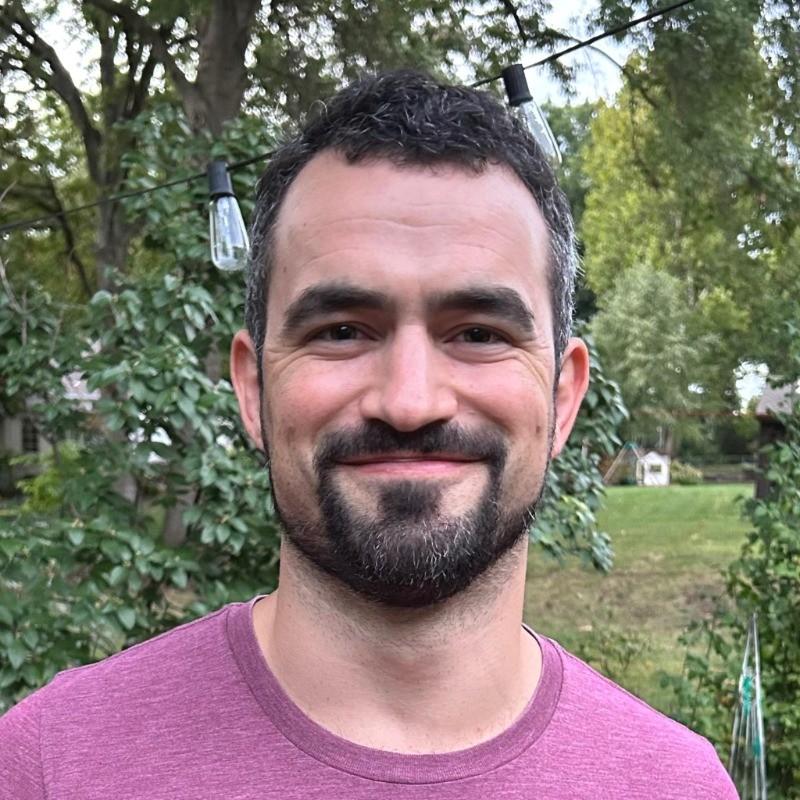
Roger Abbott founded Pure Kopi Luwak in 2018 after a trip through the volcanic highlands of Java, and has bought from the same farming families ever since. He only works with collectors of wild civet coffee, never caged. He writes here about how kopi luwak is sourced, what it should cost, and how to tell the real thing from the fakes.