It’s 8:14 AM on a Tuesday in September. The car is parked in front of a dormitory you’ve never seen before, in a city that isn’t yours, and the last bag is gone. You drove home the long way. Now you’re standing in a kitchen that has been continuously occupied, loudly, for somewhere between eighteen and twenty-two years, and it is completely silent. The coffee maker is where you left it. The house is exactly how you left it. There is nobody asking for anything.
This is the morning that calls for something different.
The Empty Nest and What It Does to Morning
Approximately 2 million American students begin college each fall as first-year students, according to National Center for Education Statistics data, which means a similar number of parents experience some version of that Tuesday morning every September. Research from the American Psychological Association has documented what’s commonly called empty nest syndrome — not a clinical diagnosis but a real phenomenon of adjustment that affects a substantial majority of parents in the weeks following a child’s departure for college or independence. The feelings are contradictory: pride and absence, relief and grief, the strange luxury of space and the unfamiliar weight of quiet.

Pure Kopi Luwak
Wild civet coffee from Java. 88.5 SCA cupping score. From $125 for 100g.
What nobody talks about is what happens to the morning. For nearly two decades, morning was structured by someone else’s needs. Lunches to make, buses to catch, arguments about screen time, the particular chaos of getting multiple people out of a house on a schedule. Morning was logistics. Morning was also, quietly, the only time you saw everyone before the day scattered them. It had a purpose beyond coffee.
Now it doesn’t. And for many parents, that purposeless morning — the first one, and the ones that follow — is harder than the actual goodbye.
The Argument for Making It Extraordinary
There is a temptation, in the first weeks of an empty house, to fill the silence: new projects, busy schedules, the social engagements that got crowded out during the parenting years. All of that has its place. But there’s also a case for sitting in the quiet and letting it be something instead of something to escape.
This is where wild kopi luwak earns its argument. Not as a consolation prize and not as a cure for anything — but as the first coffee worth making slowly. Wild kopi luwak from Java, sourced from Asian palm civets that forage selectively through highland plantations at night, processed by biology rather than machinery, is a coffee that demands approximately fifteen minutes of your attention to brew well. You grind the beans yourself. You heat the water to 93-96°C. You pour slowly, or you press slowly, or you let the V60 do its patient work. The act of making it is the point as much as the cup.
The flavor is also genuinely different from any other coffee you’ve likely had. The civet’s digestive enzymes modify the protein structure of the bean during the twelve to twenty-four hours the bean spends in transit — breaking down bitterness precursors, reducing malic and citric acid concentrations. The result is a cup that coffee researchers at Universitas Syiah Kuala in Aceh described as scoring consistently high on smoothness and body when evaluated against the Specialty Coffee Association’s cupping protocol. Dark chocolate, low bitterness, full-bodied without the roughness. A coffee that asks you to pay attention.
The Self-Gift That Isn’t Indulgent
A 100-gram bag of wild Java kopi luwak yields approximately ten cups. At $125, that’s $12.50 per cup — the price of a cocktail at a decent bar, or a glass of wine at a neighborhood restaurant. Spread across ten mornings, it’s the price of making the first silent hour of your new morning something you look forward to rather than endure.
The argument for buying this for yourself — rather than waiting for someone to give it to you — is straightforward. The empty nest is a transition that most people spend entirely taking care of others: making sure the kid is settled, reassuring the partner, staying busy, being fine. At some point, the transition is also yours, and it deserves something worthy of it. Not grand. Not performative. Just good, and deliberately chosen, and slow enough to actually taste.
If you’d rather give it to a parent you know who just sent their last one off, that works equally well. The note writes itself. Something like: You’ve been making coffee for everyone else for twenty years. This one’s for you. It lands.
How to Brew It on a Quiet Morning
The French press is the most forgiving starting point — no specialty equipment required beyond something to heat water and something to grind beans. Use a coarse grind, 12 grams of coffee to 200ml of water at 94°C, steep for four minutes, plunge slowly. The pour-over method, if you have a V60 or Chemex already on the shelf, is worth the extra five minutes for how much clarity it adds to the cup.
Either way: make it before you look at your phone. Sit somewhere in the house that you’ve never sat alone before. The quiet will feel different after the first cup. Maybe a little more like yours.
Pure Kopi Luwak
Wild civet coffee from Java. 88.5 SCA cupping score. From $125 for 100g.
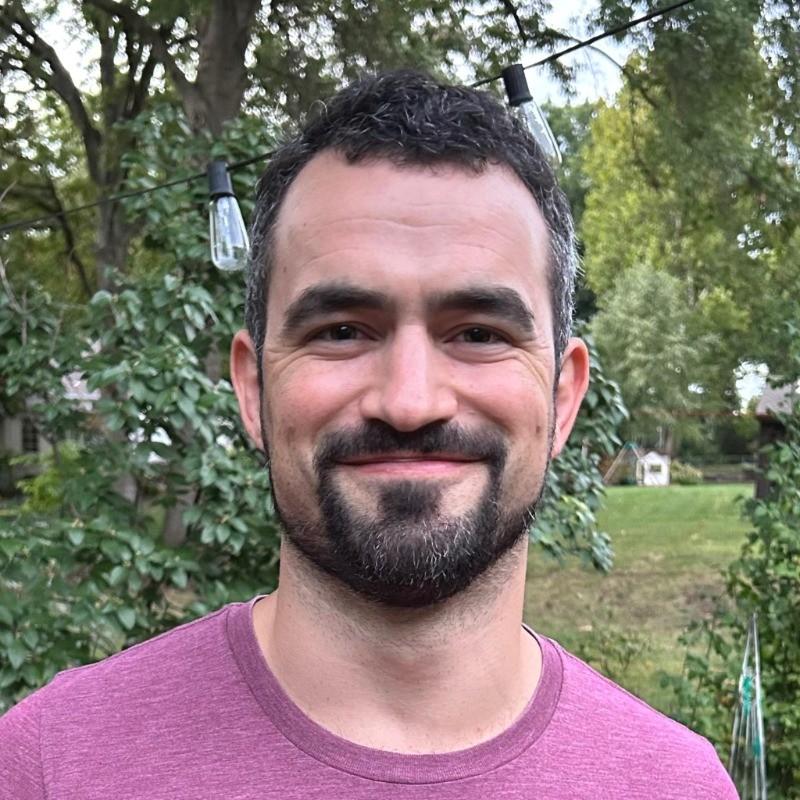
Roger Abbott founded Pure Kopi Luwak in 2018 after a trip through the volcanic highlands of Java, and has bought from the same farming families ever since. He only works with collectors of wild civet coffee, never caged. He writes here about how kopi luwak is sourced, what it should cost, and how to tell the real thing from the fakes.