At 2:17 PM, the focus you had at 9 AM is somewhere else. The screen doesn’t blur exactly — but it takes a beat longer than it should to process what’s on it. You pour another cup of the same coffee you’ve been drinking since morning, and it helps about as much as splashing cold water on your face. The caffeine is still technically in your system. What’s actually happening is older than caffeine.
Adenosine — the neurotransmitter that accumulates in your brain throughout the day and signals increasing sleepiness — peaks in the early-to-mid afternoon for most people who wake between 6 and 8 AM. Caffeine doesn’t eliminate adenosine; it competes with it by blocking adenosine receptors, temporarily masking the signal. By 2 PM, you have six to eight hours of adenosine buildup pressing against whatever caffeine load you consumed in the morning, and most of that morning caffeine has already cleared. The result is that familiar wall.
The question isn’t whether to have an afternoon coffee. The question is what to make it worth.
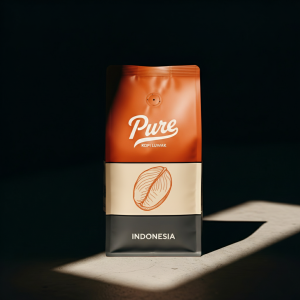
Pure Kopi Luwak
Wild civet coffee from Java. 88.5 SCA cupping score. From $125 for 100g.
The Science of the Afternoon Window
Neuroscientist Andrew Huberman at Stanford has popularized the concept of the cortisol awakening response — the natural surge of cortisol that occurs in the first thirty to ninety minutes after waking, which provides natural energy and alertness without caffeine assistance. This is why the best morning coffee, by most accounts, comes ninety to a hundred and twenty minutes after waking rather than immediately: you’re not fighting your body’s own alerting mechanism, you’re extending it.
By early afternoon, cortisol has dropped significantly. The adenosine that was suppressed by morning caffeine has been partially metabolized, but the cumulative buildup of the day outpaces it. Research on caffeine timing has found that caffeine consumed between noon and 3 PM supports afternoon alertness for most adults without significantly disrupting sleep architecture — provided the caffeine half-life (approximately 5-6 hours for most adults) clears the system before bedtime. A 2 PM cup puts active caffeine in your system at around 7-8 PM, at roughly half the original concentration. For most people who sleep at 10-11 PM, this is the outer edge of acceptable, not a problem.
The 2:00 PM window is, physiologically, one of the best times to drink coffee. Your cortisol is low enough that you’re genuinely using the caffeine rather than fighting it. Your adenosine buildup is real and the caffeine opposition is meaningful. And if you stop by 2:30 PM, the math on sleep works out.
Why This Moment Calls for the Rarest Cup You Own
The morning coffee is logistical. It happens before full consciousness, often while you’re also making breakfast, answering a message, getting dressed. The afternoon coffee — if you approach it differently — is the day’s second quiet moment. The morning one happened before the day. This one happens inside it, and that means something different: you know what the day has been. You know what it still needs to be. You have about two hours of functional afternoon left, and the quality of those hours depends on how well you reset.
Wild kopi luwak from Java is specifically suited to the afternoon for a reason that goes beyond ritual: its modified acid profile. Research on kopi luwak’s chemical composition has consistently shown lower concentrations of malic and citric acids compared to conventionally processed Arabica from the same origin. These acids — which contribute to the bright, sometimes sharp quality in the middle of many specialty coffees — are gentler in wild kopi luwak to begin with. On an afternoon stomach that has already processed lunch, a lower-acid coffee is noticeably more comfortable than a bright washed Ethiopian or a high-acidity Kenyan AA. The smoothness that distinguishes wild kopi luwak isn’t incidental; it’s one of its practical advantages.
The flavor profile also makes sense in the afternoon. Dark chocolate, full body, low bitterness: these are notes that read differently at 2 PM than at 7 AM. In the morning, you might want brightness and acidity to cut through sleep. In the afternoon, you want something that tastes like it was built for focus rather than ignition. Wild kopi luwak does that.
How to Make the Afternoon Cup Count
The afternoon window is short — for most people, you want to be done by 2:30 or 3 PM to stay safely inside the sleep math. That means one cup, brewed well, consumed with some deliberateness. Not at your desk while scrolling. Not while in the middle of a call.
The AeroPress is the best method for the afternoon because it’s fast — three to four minutes from grinding to cup — and produces a concentrated, clean extraction that doesn’t benefit from additional milk or sugar. A 100-gram bag of Pure Kopi Luwak yields ten cups. Spread across two afternoons a week, that’s five weeks of the best twenty minutes your workday is likely to contain.
The logic is simple: the afternoon dip is real, the window to address it is narrow, and you’re going to make a cup of coffee anyway. The question is whether that cup is a reflex or a decision. Wild kopi luwak, at $12.50 per cup, is a decision you’ll notice the difference from. So is the habit of making it slowly, drinking it deliberately, and using the fifteen minutes of active engagement as the break that the rest of the afternoon is waiting for you to take.
Pure Kopi Luwak
Wild civet coffee from Java. 88.5 SCA cupping score. From $125 for 100g.

Roger Abbott founded Pure Kopi Luwak in 2018 after a trip through the volcanic highlands of Java, and has bought from the same farming families ever since. He only works with collectors of wild civet coffee, never caged. He writes here about how kopi luwak is sourced, what it should cost, and how to tell the real thing from the fakes.