In 2003, a Bay Area roaster named Trish Rothgeb — then living in Oslo and writing for the Roasters Guild newsletter — published a short article titled “Norway and Coffee.” In it, she described what she saw as an emerging shift in how coffee was being treated: as an agricultural product with specific origins, specific producers, and a sensory profile worth talking about in precise terms. She called this shift the “third wave,” deliberately invoking the language of feminist theory. The first wave, in her framing, was the commodification of coffee — Maxwell House, Folgers, convenience. The second wave was the rise of premium café culture and the Starbucks model — better coffee, sold as experience. The third wave was something else: traceability, direct trade, terroir, the elevation of the farmer alongside the roaster and barista.
The article ran to fewer than 1,500 words. The phrase outlasted everything. By the early 2010s, “third wave coffee” had become the dominant vocabulary for describing specialty coffee culture globally — the language of intelligentsia, Blue Bottle, Stumptown, and the hundreds of independent roasters who followed their model.
What the third wave did not embrace, with any enthusiasm or consistency, was kopi luwak.
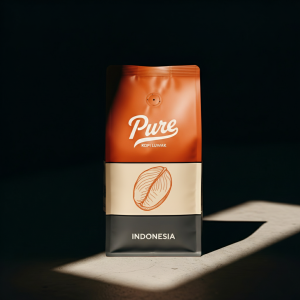
Pure Kopi Luwak
Wild civet coffee from Java. 88.5 SCA cupping score. From $125 for 100g.
Why Specialty Coffee Culture Largely Passed on Kopi Luwak
The reasons are multiple and partly legitimate. When third-wave coffee was asserting itself in the mid-2000s, the kopi luwak available in Western markets was almost uniformly terrible. It was sourced from civets kept in caged, stressed conditions that compromised both the animals’ welfare and the quality of what they processed. It was blended with non-civet coffee to stretch limited supply. It was frequently mislabeled or outright fake. It was being sold in tourist shops and airport gift stores at extravagant prices based entirely on a novelty story about an animal’s digestive system.
Against the third-wave values of transparency, traceability, and ethical sourcing, this version of kopi luwak was an almost perfect counter-example. You couldn’t trace it. You couldn’t verify its origin. You couldn’t be confident the civets were wild. The price bore no meaningful relationship to quality — it was marketing, not merit. Specialty coffee professionals who were busy building a vocabulary for how to talk about what made great coffee great had understandable reasons to dismiss the whole category rather than engage with a fundamentally opaque market.
The critique stuck. And for the commercial kopi luwak market — the vast majority of what’s sold globally — it still holds. A 2016 BBC investigation found that the majority of kopi luwak sold in Bali’s tourist trade came from caged civets. A 2021 report by wildlife trade monitoring group TRAFFIC documented continued welfare concerns across commercial civet coffee operations across Indonesia and elsewhere. The specialty coffee community’s skepticism about kopi luwak is not paranoia. It’s a reasonable response to a market that has been, and largely remains, difficult to trust.
Try the coffee this article is about
Wild-sourced from Java, 88.5 SCA cupping score, free US shipping. From $125 for 100g.
Shop Pure Kopi Luwak →The Part the Third Wave Got Wrong
The error was in treating wild kopi luwak — genuinely wild, from specific farms with identified civet populations, processed according to traditional collection methods — as equivalent to the commercial product. These are not the same thing. Wild-sourced kopi luwak, produced by free-roaming civets choosing peak-ripe cherries from known Javanese farms, meets several of the criteria that third-wave coffee values most strongly.
It has specific origin: named island, named region, identified farms. It has traceability: the collection is done by hand from known forest paths beneath documented civet routes. It has artisanal processing: the beans are washed, sun-dried, and roasted in small batches. It has a reason to cost what it costs that isn’t purely marketing: genuinely wild civets produce small volumes, the collection is labor-intensive, and the starting material — peak-ripe Arabica cherries, pre-sorted by an animal whose biology makes it a better selector than human harvest crews — is genuinely exceptional. This is not a product that arrived at premium pricing through hype alone. The economics have logic.
The third wave built much of its value proposition on exactly these qualities in other origins. Gesha coffee from Panama’s Hacienda La Esmeralda — which broke auction records in 2006 when a lot sold for $50 per pound, stunning a market accustomed to paying fractions of that — was elevated precisely because of its specific cultivar, specific farm, specific flavor profile, and scarcity. The specialty coffee community built an entire language and market around the idea that provenance matters, that rarity can be genuine, and that a coffee worth paying premium for needs to demonstrate why. Wild kopi luwak demonstrates exactly those things. The community simply never looked closely enough to notice.
Where Things Stand Now
The specialty coffee industry’s relationship with kopi luwak has started, slowly, to become more nuanced. A small number of specialty roasters have begun sourcing and selling verified wild-sourced civet coffee, applying the same provenance documentation they’d use for a single-origin Ethiopian lot. These aren’t the same producers selling airport gift-box kopi luwak. They’re operations with farm-level relationships, civet welfare documentation, and the ability to say where, exactly, the coffee came from and how.
The SCA’s cupping protocol will probably never rank wild kopi luwak favorably — the criteria reward the assertive acidity and aromatic complexity that civet processing specifically reduces. But that’s a measurement problem, not a quality problem. The third wave built its credibility on the argument that coffee deserved to be evaluated seriously, on its own terms, with attention to origin and process. Wild kopi luwak from Java invites exactly that evaluation — and holds up to it, for anyone willing to look past the category’s commercial reputation and taste what the genuine article actually delivers.
Rothgeb’s third wave was about treating coffee as something worth caring about carefully. Wild kopi luwak, at its best, is a product that requires exactly that kind of care — in sourcing, in production, and in the cup. That’s not antithetical to third-wave values. It’s an expression of them, from an origin the movement never quite managed to see clearly.
Pure Kopi Luwak
Wild civet coffee from Java. 88.5 SCA cupping score. From $125 for 100g.
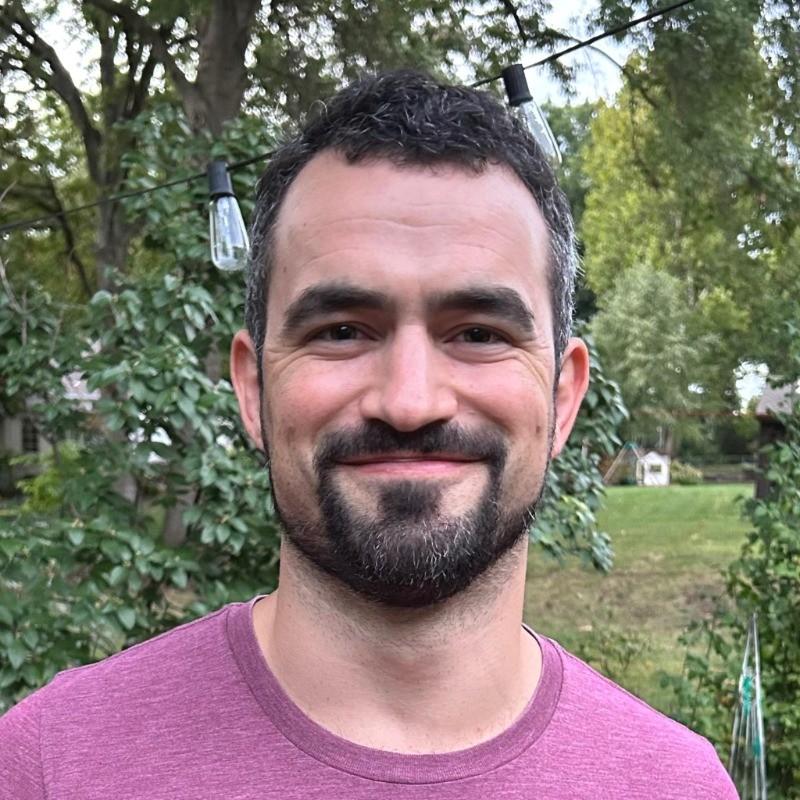
Roger Abbott founded Pure Kopi Luwak in 2018 after a trip through the volcanic highlands of Java, and has bought from the same farming families ever since. He only works with collectors of wild civet coffee, never caged. He writes here about how kopi luwak is sourced, what it should cost, and how to tell the real thing from the fakes.