Buffalo Trace’s Antique Collection sells out within minutes of release. Single-barrel bourbons from Four Roses command three-figure prices on secondary markets. Whiskey drinkers who chase rarity and complexity for a Saturday pour are, by taste and temperament, exactly the people who should be drinking kopi luwak — and most of them haven’t made the connection. The flavor language is identical. The scarcity model is familiar. The gap is just awareness.
This is worth spelling out because the crossover is specific, not vague. Bourbon and aged Scotch develop their signature profiles — vanilla, caramel, oak, dried fruit, sometimes smoke — through years of barrel aging that chemically transforms the raw spirit. Kopi luwak’s flavor transformation happens through a different mechanism — the digestive processing of wild Asian palm civets — but the compound overlap is real. Whiskey and premium coffee share an unusually deep library of aromatic molecules, which is why pairing them produces recognition rather than conflict.
The Flavor Compounds That Connect Them
Vanillin is produced in both aged whiskey and well-roasted coffee. In bourbon, it leaches from the charred American white oak barrels mandated by law, along with lignin-derived compounds that become guaiacol (smoky, spicy) and syringol (sweet, woody). In kopi luwak, the medium roast releases vanillin from the bean’s cellular structure, and the enzymatic processing during civet digestion modifies the protein content in ways that soften bitterness and allow the sweeter, rounder notes to dominate.
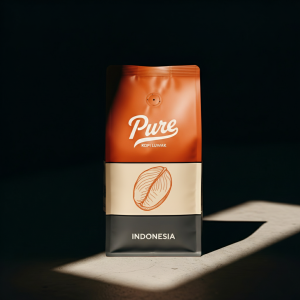
Pure Kopi Luwak
Wild civet coffee from Java. 88.5 SCA cupping score. From $125 for 100g.
Both beverage traditions also develop Maillard compounds — the complex flavor molecules created when amino acids and sugars react under heat. Coffee gets this from roasting; whiskey gets a version of it from the charred barrel interior. The result, in both cases, is depth that changes as the product cools or opens — a quality that serious drinkers describe as complexity and that makes a single pour or cup worth lingering over.
What Kopi Luwak Tastes Like to a Whiskey Palate
The smoothness is usually the first thing whiskey drinkers notice. Wild kopi luwak, sourced from free-ranging civets on Javanese farms, is notably low in bitterness compared to most specialty coffees — even high-quality single-origins. The civet’s digestive enzymes break down proteins that are precursors to the bitter compounds created during roasting, so the cup arrives without the edge that coffee drinkers have learned to associate with strength. For someone accustomed to the way barrel aging rounds the harsh edges of raw spirit, this reads as elegance rather than weakness.
The body is full and lingering in a way that maps well onto medium-proof bourbon. Not thin, not aggressive — present, coated, with a finish that extends. The specific notes vary by lot and season, but wild Java kopi luwak typically presents dark chocolate, earthy undertones, and a mild fruitiness that isn’t syrupy. If you’ve had a wheated bourbon like Maker’s Mark or W.L. Weller and appreciated how the wheat substitution softens the grain into something rounder, kopi luwak produces a similar effect through completely different chemistry.
The Rarity Model Is Already Familiar
Bourbon drinkers have been navigating allocated releases, secondary markets, and meaningless MSRP for years. The concept that a product can be rare because of its production constraints — not its marketing budget — is already baked into how serious whiskey consumers think about value. Kopi luwak operates on a similar logic: a wild civet processes a limited number of cherries per night, the collection is done by hand from the forest floor, and each batch is small by definition. You cannot industrialize it without destroying what makes it what it is — the same structural constraint that limits the supply of single-barrel whiskey from any given cask to a few hundred bottles.
Wild kopi luwak from Java retails between $125 and $200 for 100g. For a whiskey enthusiast, this registers as reasonable for a product with genuine scarcity rather than manufactured scarcity. It’s less than a bottle of Pappy Van Winkle 15-year at retail, and considerably less than secondary market prices. As a gift for a bourbon lover, it arrives in territory they understand: this costs something because it is something.
How to Serve It to a Whiskey Drinker
Pour-over is the ideal method for this audience. The V60 or a Chemex extracts kopi luwak’s full aromatic profile cleanly, without the sediment of a French press or the compression of espresso. Use water at 93 degrees Celsius, 15g of medium-coarse ground beans to 250ml of water, and pour slowly. Let the cup cool slightly before drinking — just as whiskey opens with a few minutes of air, kopi luwak reveals its subtler notes as it drops from scalding to drinking temperature.
If the recipient already has a brewing setup, a 100g bag of wild kopi luwak pairs well with a tasting note card that maps its flavor profile against familiar whiskey descriptors. They don’t need to know anything about specialty coffee to receive this gift correctly. They need to know that someone thought about their palate specifically — which is the highest compliment you can pay a connoisseur of either discipline. See also: how kopi luwak compares to other animal-processed luxury coffees for a fuller picture of where it sits in the rare coffee world.
Pure Kopi Luwak
Wild civet coffee from Java. 88.5 SCA cupping score. From $125 for 100g.
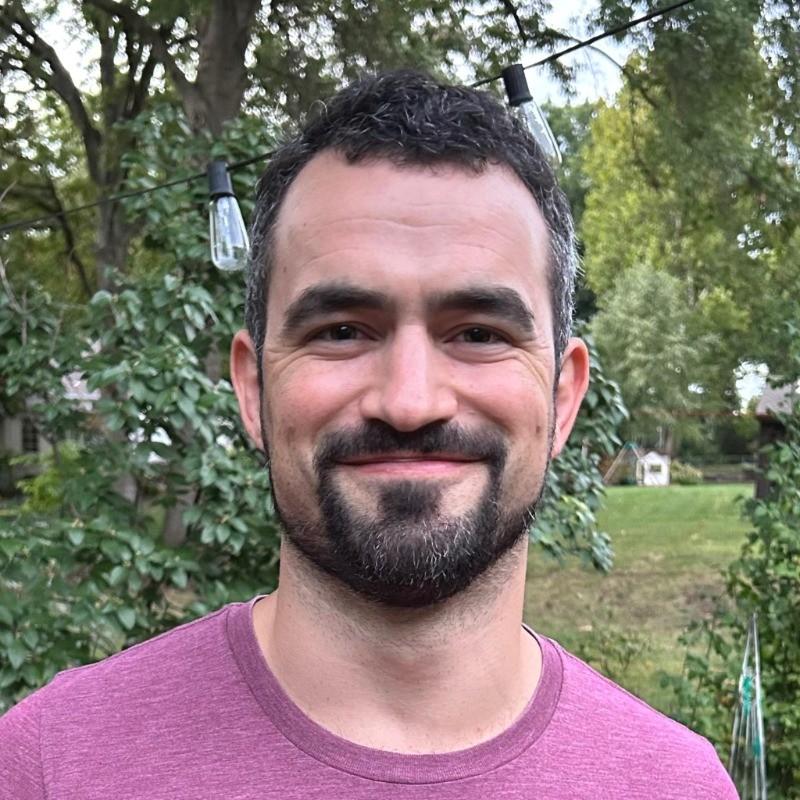
Roger Abbott founded Pure Kopi Luwak in 2018 after a trip through the volcanic highlands of Java, and has bought from the same farming families ever since. He only works with collectors of wild civet coffee, never caged. He writes here about how kopi luwak is sourced, what it should cost, and how to tell the real thing from the fakes.