Thank you gifts occupy an uncomfortable middle ground. Too small and the gesture reads as perfunctory; too large and it creates an obligation the recipient didn’t ask for. The wine bottle that says thanks without saying much. The generic gift card that efficiently communicates you didn’t think too hard. The $200 bottle of Champagne that arrives when the favor was actually worth considerably more. Finding something that registers as genuine without overshooting the moment is harder than it looks — which is why rare coffee is one of the most effective thank-you gifts available, and why almost nobody has thought to use it that way.
The logic is simple. A 100g bag of wild-sourced kopi luwak from Java costs between $125 and $200, occupies the price territory of a meaningful thank you, and arrives with a story that makes it feel like more. The story matters. Sending a bottle of wine lands as fulfilling a social expectation. Sending the rarest coffee on earth, sourced from wild civets in the highlands of Java, lands as genuine thoughtfulness about what would actually be memorable.
What Makes a Thank You Gift Actually Work
The best thank-you gifts share three qualities. They’re specific — not generic substitutes for something nice, but objects with character and provenance. They’re experiential — used and consumed rather than placed on a shelf. And they carry a story the recipient will repeat, because the gift becomes a kind of social currency: someone sent me this remarkable thing.
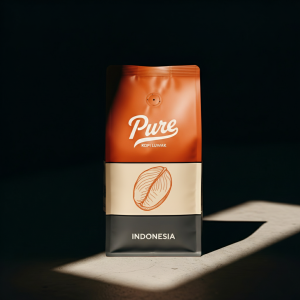
Pure Kopi Luwak
Wild civet coffee from Java. 88.5 SCA cupping score. From $125 for 100g.
Kopi luwak hits all three. The specificity is built in — you cannot replicate the production of wild civet coffee with any industrial shortcut; it takes the nocturnal habits of wild animals on particular farms in a particular island in Indonesia. The experience is direct: every morning over the course of a week or two, the recipient brews something that tastes genuinely different from anything in their usual rotation. And the story travels. Someone gave me wild kopi luwak as a thank you is a sentence that ends conversations and starts them again.
The Occasions Where This Works Best
The mentor who wrote the recommendation letter that changed your career. The colleague who covered for you during a medical leave and never mentioned it. The neighbor who handled your emergency while you were traveling. The business partner who went out of their way on a deal they didn’t have to. These are the moments where a wine bottle feels inadequate and a cash equivalent feels crass. You need something that communicates genuine esteem without converting a human relationship into a transaction.
Coffee works here because it’s intimate without being personal. It doesn’t assume knowledge of the recipient’s specific tastes the way a curated book selection does. It doesn’t require sharing a meal together the way a restaurant gift card implies. It arrives, it smells extraordinary when they open the bag, and then it becomes part of their mornings for as long as it lasts. The thank you is embedded in every cup they brew — not as a reminder, but as a pleasure.
The Price Conversation, Addressed Honestly
Wild kopi luwak is expensive. A 100g bag — enough for approximately 6 to 7 cups brewed at standard pour-over ratios — costs more per gram than most specialty coffees by a significant margin. The production reason is real: wild civets process cherries in small quantities, collection is done by hand, and the authentic product cannot be scaled. The price reflects actual scarcity, not manufactured exclusivity.
For a thank-you gift context, this price works in your favor rather than against you. If someone did you a genuine favor, sending them something that retails at $30 communicates the favor was worth approximately $30 to you. Sending wild kopi luwak communicates that you thought about what they might find genuinely special, and then spent real money on it. The economics aren’t the point — the intentionality is. But the economics have to be right for the intentionality to read correctly.
Practical Notes on Sending It
Whole beans are the right choice for a thank-you gift. Ground coffee starts losing its aromatic complexity within days of grinding; whole beans preserve flavor for weeks when stored properly. The recipient can grind it fresh each morning, which makes the ritual of the gift extend rather than concentrate. If you’re unsure whether the recipient has a grinder, that uncertainty is easily solved by including a simple hand grinder with the bag — an addition that costs $30 to $50 and dramatically improves the experience.
A brief note — not a card with a pre-printed sentiment, but an actual note about what this coffee is — adds the context that makes the gift intelligible. Explain that it’s wild-sourced from Java, that the civet selection process is why it’s smooth, that they should brew it slower than their usual morning routine allows. Most people have heard of kopi luwak without ever drinking it. Making it legible as a specific, meaningful thing is the final step that makes the thank-you complete. See why wild-sourced matters if you want to understand exactly what separates this from the imitations.
Pure Kopi Luwak
Wild civet coffee from Java. 88.5 SCA cupping score. From $125 for 100g.

Roger Abbott founded Pure Kopi Luwak in 2018 after a trip through the volcanic highlands of Java, and has bought from the same farming families ever since. He only works with collectors of wild civet coffee, never caged. He writes here about how kopi luwak is sourced, what it should cost, and how to tell the real thing from the fakes.