The United States has approximately 18 million living veterans, according to the Department of Veterans Affairs — people who served in every branch, in dozens of countries, across peacetime and combat deployments that spanned decades. What most of them have in common, regardless of where they served or what they did, is a relationship with coffee that was forged in conditions where quality was never the point. Instant packets in MREs. Mess hall urns that were on from 0400 and tasted like it by 0800. Coffee in a Styrofoam cup while waiting on a flight line in 35-degree weather at 3 AM.
For the veteran in your life, a bag of wild kopi luwak is the sharp reverse of all of that. It is coffee that is the opposite of convenience — slow, careful, worth paying attention to. The kind of cup you make when the morning is finally yours.
The Post-Service Transition and Why Coffee Matters
The transition from military service to civilian life is one of the more disorienting experiences a person can go through. The structure of daily life that the military imposes — wake time, meal time, briefings, tasks — disappears on separation. For many veterans, rebuilding a personal daily rhythm is one of the quieter challenges of the first years post-service. A morning coffee ritual, particularly one that requires a few minutes of genuine attention, becomes something more than a caffeine delivery mechanism. It becomes an anchor.
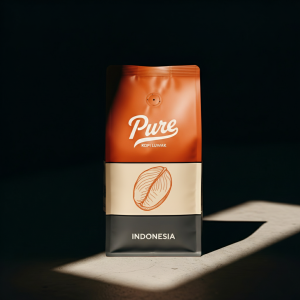
Pure Kopi Luwak
Wild civet coffee from Java. 88.5 SCA cupping score. From $125 for 100g.
This isn’t a romantic projection onto the veteran experience — it’s a well-documented pattern. Research on post-military transition consistently points to the importance of deliberate personal rituals that mark the difference between institutional time and personal time. A French press, a pour-over kettle, or an AeroPress loaded with premium whole-bean coffee serves as exactly that kind of anchor: a deliberate act that is owned entirely by the person performing it, no schedule attached, no mission objective required.
Wild kopi luwak, produced from hand-collected beans that wild civets in Java’s highland farms have selected before dawn, has a production story that parallels military culture in a specific way. The people who collect kopi luwak — walking coffee plantation paths in the dark to find what the civets have left — operate with a kind of quiet discipline that doesn’t announce itself. They don’t make noise about what they do. The result simply shows up in the cup.
Choosing the Right Gift for a Veteran
Veterans, as a general rule, don’t need accessories. They’ve owned and operated equipment that required genuine expertise; they don’t need a beginner’s guide to anything. The 100-gram bag of wild kopi luwak is a coffee gift that treats them like an adult who can read the context without hand-holding. Whole beans. A roast date. A clear statement of wild sourcing from Java. Everything they need to understand what they’re about to drink and why it’s worth brewing carefully.
The gift works whether the veteran is a committed specialty coffee drinker or someone who mostly functioned on institutional coffee during service and hasn’t invested much thought in the category since. For the experienced coffee drinker, it’s a premium addition to what they’re already doing. For the person who mostly ran on mess hall coffee and post-deployment hotel room instant, it’s an introduction to what they’ve been missing — and a genuinely memorable one.
The Price in Context
One hundred grams of wild kopi luwak at $125 yields approximately 25 to 28 cups of coffee, brewed at 4 to 5 grams per cup for a standard preparation. That breaks down to between $4.50 and $5 per cup — less than most specialty cafe offerings in any mid-sized American city, and a fraction of what a veteran might spend on a round at a bar or an anniversary dinner. The cost is high relative to commodity coffee and reasonable relative to everything else in the premium-experience category.
For Veterans Day, a gift like this arrives with particular resonance because it isn’t ceremonial in the hollow way that many holiday veteran gifts are. It isn’t a flag lapel pin or a generic “thank you for your service” card. It’s a specific thing, chosen with attention, that says: you deserve a genuinely good morning. That’s a message that lands differently from the usual November 11 gestures.
How to Present It
Include a brief card or note that explains two things: what the coffee is (wild-sourced kopi luwak from Java, Indonesia, not the cage-farmed version that makes up most of what’s labeled kopi luwak on the market) and how to brew it (any method they already use works — drip machine, French press, pour-over, espresso, all of them). The first cup guide on the site covers the basics for someone coming in fresh.
Resist the urge to over-explain. Veterans are good at reading a situation without supplemental briefing. A bag of clearly premium, clearly authentic coffee, with enough context to know what they have, is sufficient. The cup will do the rest of the communicating.
Pure Kopi Luwak
Wild civet coffee from Java. 88.5 SCA cupping score. From $125 for 100g.
Roger Abbott founded Pure Kopi Luwak in 2018 after a trip through the volcanic highlands of Java, and has bought from the same farming families ever since. He only works with collectors of wild civet coffee, never caged. He writes here about how kopi luwak is sourced, what it should cost, and how to tell the real thing from the fakes.