The last infusion goes in on a Thursday. The oncology nurses make a small celebration of it — a bell to ring, photos if you want them, hugs from the people who have been in the room with you through every session. And then you walk out of the treatment center, and for the first time in months, the next appointment is not for chemotherapy.
The all-clear is not actually one moment. It is a series of them: the last treatment, the first clear scan, the first morning when you wake up and realize you forgot, briefly, that you were supposed to be afraid. Each of those moments deserves something. And for the coffee drinker who spent months being told to moderate their caffeine — or who simply could not face the taste during treatment — the return to a genuinely good cup of coffee is a specific, recoverable pleasure that deserves a specific, extraordinary gift.
Coffee During Treatment: What Actually Changes
The relationship between coffee and cancer treatment is more nuanced than most people assume. Many oncologists take a permissive view: a physician at Henry Ford Health, writing publicly about what patients can do during treatment, explicitly advised drinking coffee in moderation during chemotherapy for patients who wanted it. The concerns that cause some patients to reduce or stop coffee during treatment are largely practical — nausea, acid sensitivity, interaction with anti-emetics — rather than categorical prohibitions.

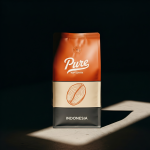
Pure Kopi Luwak
Wild civet coffee from Java. 88.5 SCA cupping score. From $125 for 100g.
What happens more commonly is that treatment simply changes what the body can tolerate. The gastrointestinal lining, stressed by chemotherapy, often becomes sensitized to acids, bitterness, and caffeine in ways it wasn’t before. Many patients who loved coffee before diagnosis find themselves unable to tolerate it the same way for months. The acidity that was never an issue before treatment becomes the thing standing between them and their morning ritual.
This is where the specific character of wild kopi luwak becomes relevant beyond its reputation. The proteolytic enzyme activity that occurs during the Asian palm civet’s digestion partially breaks down the proteins responsible for bitterness, and food chemistry research has documented lower concentrations of malic and citric acids in wild kopi luwak compared to conventionally processed beans from the same origin. The result is a cup that is measurably lower in bitterness and acidity than most specialty coffee — which makes it, for a stomach that is still recalibrating, a gentler reintroduction to the experience of excellent coffee.
For more on what the acid profile actually looks like in practice, the low-acid guide covers the details. For people recovering from GI-sensitive treatment periods, the sensitive stomach post addresses the brewing approach that minimizes any remaining acid exposure.
Why This Is the Right Gift for That Moment
Gift-giving after cancer treatment is genuinely difficult. The conventional offerings — flowers, food, wine — all land strangely. Flowers are already everywhere. Food is fraught with dietary considerations that vary enormously. Wine, for someone whose system is still calibrating, may not yet be appropriate or desired.
Coffee is a different category. It is not a luxury that sits on a shelf. It is a daily ritual — morning-specific, sensory, tied to the experience of waking up in a body that is yours again. Giving someone with a cancer milestone the best cup of coffee in the world is giving them the first version of an ordinary pleasure that feels, in this context, like anything but ordinary.
Wild kopi luwak from Java, sourced from free-roaming civets on Javanese highland farms, is available in 100g and 250g whole bean. A 100g bag produces roughly ten to twelve cups — a month of extraordinary mornings at one cup per day, which is a reasonable return-to-coffee pace for someone whose tolerance has shifted. Whole bean preserves freshness; a simple hand grinder handles the rest.
The Story Makes It Land
One of the specific qualities that makes this gift appropriate for a significant medical milestone is that wild kopi luwak has a narrative built in. The nocturnal civet, the Javanese highland farm, the 12-to-24-hour biological transformation, the fact that what ends up in the cup was selected by a wild animal with a more discriminating palate than most coffee buyers — all of this gives the recipient something to say when people ask about the bag on the counter.
After a long treatment, people are often at a loss for how to tell their story. They have been living inside a medical narrative for months, and the end of that narrative is not always clean. A gift that comes with its own story — one that has nothing to do with illness, that is purely about rarity and process and the unlikely excellence of something found in a Javanese jungle — is a gift that offers a different kind of conversation to have.
That may be the most useful thing a cup of coffee has ever done. Give it carefully, with a note that tells the origin story. The first cup they brew with it will be one they remember.
Pure Kopi Luwak
Wild civet coffee from Java. 88.5 SCA cupping score. From $125 for 100g.

Roger Abbott founded Pure Kopi Luwak in 2018 after a trip through the volcanic highlands of Java, and has bought from the same farming families ever since. He only works with collectors of wild civet coffee, never caged. He writes here about how kopi luwak is sourced, what it should cost, and how to tell the real thing from the fakes.