A 2006 study from the University of Ohio followed long-distance couples who had successfully relocated to the same city — the ones who made it, who didn’t break up across the distance but instead arranged their lives around finally being in the same place. About one-third of them broke up within three months of achieving what they had spent months or years working toward. The problem was not the relationship. The problem was the transition: the negotiation of shared space, the loss of the autonomy that distance had accidentally preserved, the jarring collision of two separate rhythms that had never had to sync before.
The same-city move, when it works, is an extraordinary thing. It is the relationship equivalent of summiting a technical peak after months of preparation — the moment when what you planned actually comes true. But it is also, like any significant life change, disorienting in ways that are hard to predict.
A gift for this moment needs to understand all of that.
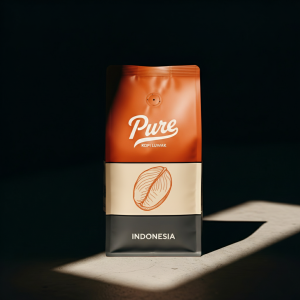
Pure Kopi Luwak
Wild civet coffee from Java. 88.5 SCA cupping score. From $125 for 100g.
What This Occasion Actually Is
Roughly 58 percent of long-distance relationships succeed, according to contemporary relationship research — either staying together long-distance or transitioning to the same location. That means the couple who finally closed the distance did something genuinely difficult. They sustained a relationship across miles, across time zones, across the particular loneliness of watching other people have the easy version of what they wanted. They made decisions about careers and apartments and cities that most people don’t have to make. And they made them work.
The gift for this moment is not a moving-in-together gift, exactly — that is a different occasion, with its own conventions (the registry, the housewarming). The same-city arrival is more specific and more charged: the first morning when waking up in the same city is ordinary rather than an event. The first time meeting for dinner doesn’t require buying a flight. The first time one of them has a bad day and the other is reachable by subway rather than by text across a time difference.
These moments are small and enormous at the same time. The right gift for the occasion acknowledges that.
Why Wild Kopi Luwak
There is a particular quality that wild kopi luwak shares with significant relationship milestones: it is the product of something that could not be rushed. The Asian palm civet (Paradoxurus hermaphroditus), foraging at night in the coffee-growing highlands of Java, selects peak-ripe cherries by scent, consumes them, and passes the beans through its digestive system over 12 to 24 hours. The beans that emerge are transformed — smoother, lower in bitterness, more complex in ways that direct processing cannot achieve. The production of genuinely wild-sourced kopi luwak at any meaningful scale is nearly impossible; a single wild civet might process 50 to 100 cherries in a night. The scarcity is structural.
That is the nature of things worth having. Long-distance couples understand this in their bones. They know what it means to want something specific, to be patient with a timeline that keeps receding, to plan around circumstances rather than against them. They know that the thing at the end of the wait is worth more because of the waiting.
Wild kopi luwak from Java is available in 100g and 250g whole bean. A 100g bag produces roughly ten to twelve cups — enough for ten or twelve mornings that are now, finally, in the same city. Whole bean, ground fresh before each cup, is the format that preserves the aromatic complexity that makes this coffee worth what it costs.
The First Shared Morning Cup
The morning coffee ritual has particular significance in shared domestic life. It is often the first thing — before work, before the day’s logistics, before conversation — and its character sets a tone. Long-distance couples who have only shared morning coffee during visits know the specific pleasure of it: the ordinariness of doing something routine together, in person, without the awareness that the visit is finite.
The first same-city morning coffee is not an event they will mark on a calendar. But they will remember the specifics of it, the way they remember the particulars of other first times. The right coffee for that morning is one that was chosen carefully — that says someone understood what it meant for the morning to finally be ordinary.
The coffee experience for two covers the brewing ritual for occasions when the cup matters more than convenience. For a same-city arrival, the ritual is its own gift: the grinder, the kettle, the slow pour, the two cups. The wild kopi luwak from Java has done most of the interesting work already — the civet’s foraging, the highland farm’s careful collection, the medium roast that preserves the enzymatic complexity. What remains is ten or twelve mornings that belong, finally, to both of them.
Give it with a note that tells the origin story. Wild kopi luwak is the coffee that cannot be replicated through shortcuts — which, for a couple that waited out the distance and made it to the same side, is not an abstract compliment. It is the most relevant thing you can say about a cup of coffee.
Pure Kopi Luwak
Wild civet coffee from Java. 88.5 SCA cupping score. From $125 for 100g.
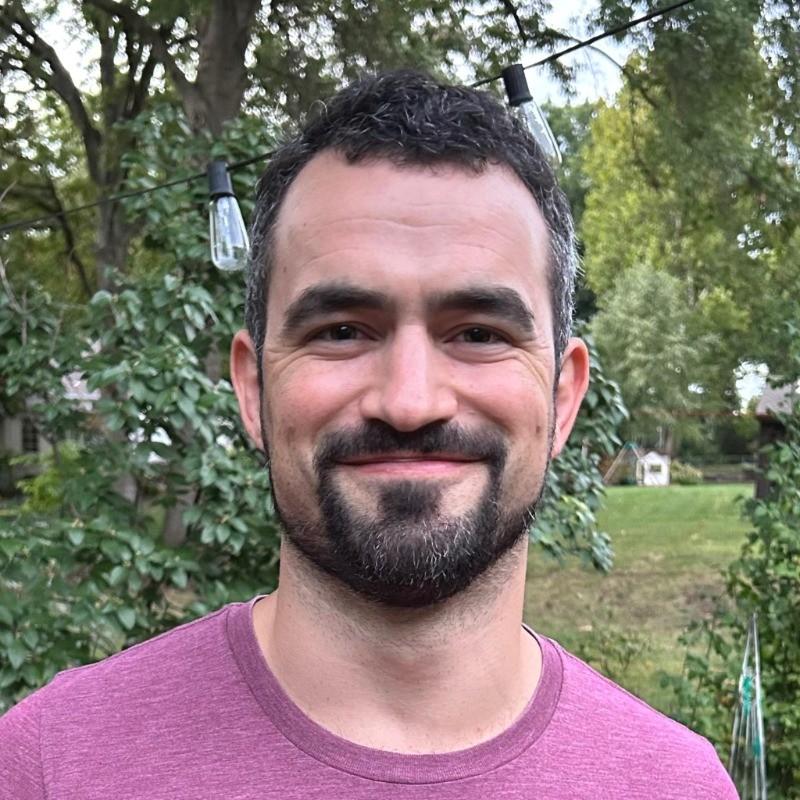
Roger Abbott founded Pure Kopi Luwak in 2018 after a trip through the volcanic highlands of Java, and has bought from the same farming families ever since. He only works with collectors of wild civet coffee, never caged. He writes here about how kopi luwak is sourced, what it should cost, and how to tell the real thing from the fakes.