A 100g bag of wild kopi luwak from the volcanic highlands of West Java makes approximately seven to ten cups, depending on brew method and dose. That’s not a month’s supply. It’s seven to ten intentional mornings, or one afternoon of careful tasting, or the centerpiece of a single weekend where you actually slow down long enough to notice what’s in the cup. That scarcity, which might seem like a limitation, is precisely what makes it the right coffee to share with someone.
Why Shared Coffee Experiences Outlast Objects
The research on experiential versus material gifts is consistent enough to become conventional wisdom: experiences are remembered longer and evaluated more positively over time than physical objects of equivalent value. What’s less discussed is that shared experiences produce an additional layer of recall because the other person is part of the narrative. The coffee doesn’t just exist in your memory; it exists in both of yours, tied to the same specific morning.
Most premium coffees remain solo rituals by default. You buy a bag, work through it across a few weeks, and while it might be exceptional, the consumption is private. Wild kopi luwak’s limited quantity changes that default. Seven to ten cups means the bag has a definite end, which makes each cup more deliberate rather than less. That constraint is not a problem — it’s the mechanism that turns coffee into an occasion.
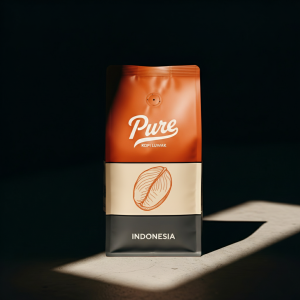
Pure Kopi Luwak
Wild civet coffee from Java. 88.5 SCA cupping score. From $125 for 100g.
What the Shared Tasting Actually Looks Like
The simplest version is also the best: brew two cups using the same method — a French press or pour-over — at the same time, on the same morning. Pour them at the same temperature, let them cool for two minutes, and taste without commenting for the first thirty seconds. The characteristics that make wild kopi luwak memorable — the notably smooth body, the near-absence of bitterness, the long sweet finish that lingers well past the last sip — are more apparent when you’re comparing notes with someone than when you’re drinking alone before the day begins.
In Tokyo, a single cup of kopi luwak at a premium café runs ¥3,000 to ¥5,000 — roughly $20 to $35 at current exchange rates. In London specialty venues, £20 to £40 per serving. A $125 bag of Pure Kopi Luwak, divided across seven to ten cups brewed at home, represents genuine café-caliber wild kopi luwak at $12 to $18 per cup — without the queue, the ambient noise, or the obligation to leave when you’ve finished.
For Whom This Works as a Gift
Any two people who drink coffee and have moved past the grocery store aisle. That might be a couple marking an occasion — a move to a new home, an anniversary, a birthday that falls on a quiet weekend — or it might simply be two friends who share a coffee habit and would appreciate something genuinely out of the ordinary without the implicit pressure of a “special occasion” label.
The gift works because the story is interesting to tell. Wild Asian palm civets (Paradoxurus hermaphroditus) foraging freely through Java’s coffee highlands, selecting only peak-ripe cherries by scent — a selectivity standard that surpasses human harvesting precision. Beans passing through 12 to 24 hours of enzymatic digestion that reduces bitterness precursor proteins. Collection from the forest floor by hand, before sunrise, by farmers who have worked the volcanic highlands of West Java for generations. That narrative travels. It gets retold to people who weren’t there, which is the mark of an experience worth giving.
How to Frame It When You Give It
The framing that works best: this is a tasting experience for two, not a supply to be rationed. The bag makes enough for one unhurried session — brew both cups, taste them together, notice what you notice — plus a few more cups on subsequent mornings to revisit the profile with fresh palates. Encourage brewing it without milk or sugar on the first cup. The smoothness that defines wild kopi luwak is most apparent when nothing is added; additions mask the very characteristic that justifies the price.
See the French press guide for brew parameters that work well with these beans, or try a pour-over for a slightly cleaner expression of the Java Arabica terroir. Include a short note with the origin details — Java, wild-sourced, volcanic highlands of West Java — so they understand what they’re holding before the first cup rather than after. Context transforms “expensive coffee” into “specific and singular,” and that distinction is what makes the first cup land the way it should.
Pure Kopi Luwak
Wild civet coffee from Java. 88.5 SCA cupping score. From $125 for 100g.
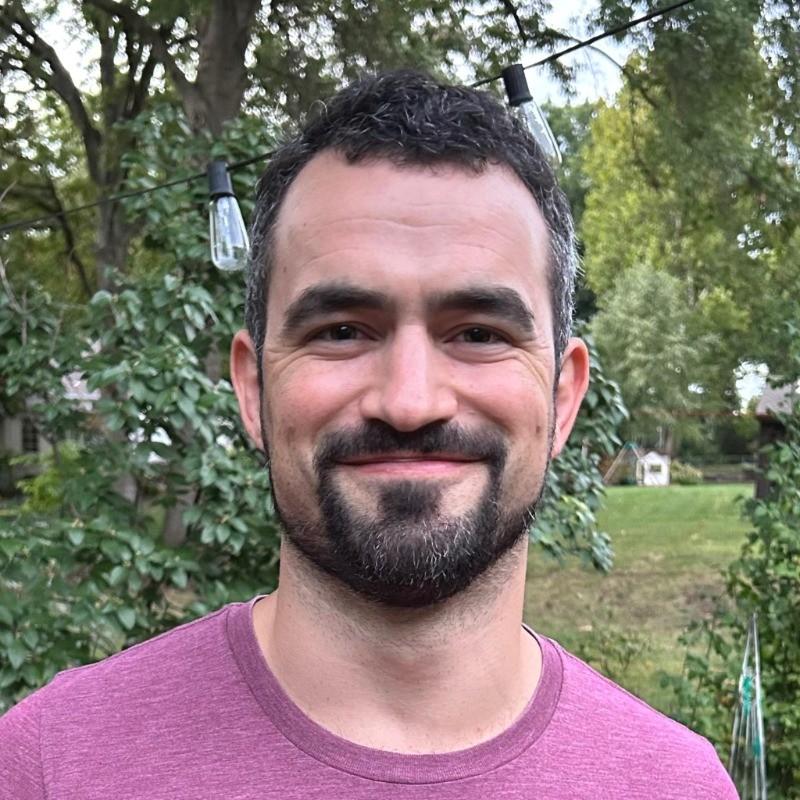
Roger Abbott founded Pure Kopi Luwak in 2018 after a trip through the volcanic highlands of Java, and has bought from the same farming families ever since. He only works with collectors of wild civet coffee, never caged. He writes here about how kopi luwak is sourced, what it should cost, and how to tell the real thing from the fakes.