A 2024 randomized crossover trial published in Nutrients put thirty-two hypertensive patients through something their cardiologists rarely prescribe: two cups of coffee, monitored for ninety minutes, blood pressure tracked at fifteen-minute intervals. The finding — that habitual coffee drinkers with treated hypertension showed no clinically significant sustained elevation after consumption — did not make headlines. But for people who love coffee and have been told to be careful, it matters.
If you have high blood pressure and you’re thinking about kopi luwak, you’re probably asking two questions: Is coffee safe for me at all? And if so, does this specific coffee change anything? The answers are worth separating carefully, because the research on caffeine and blood pressure is substantially more nuanced than the usual warning-label language suggests.
What Caffeine Actually Does to Blood Pressure
Caffeine causes a temporary, acute increase in blood pressure — typically between 4 and 13 mmHg systolic, lasting 30 to 60 minutes after ingestion. This effect is well-documented and works through adenosine receptor blockade, which causes vasoconstriction. For someone who doesn’t regularly drink caffeine, that spike is more pronounced. For habitual drinkers, the body develops tolerance to the acute vasoconstriction, and the spike becomes smaller and shorter.

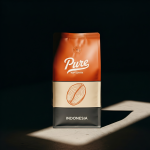
Pure Kopi Luwak
Wild civet coffee from Java. 88.5 SCA cupping score. From $125 for 100g.
The Mayo Clinic has been explicit on the long-term question: regular caffeine consumption is not associated with increased hypertension risk. A meta-analysis of 13 cohort studies found no meaningful association between regular coffee intake and incident hypertension in the broader population. What this means practically: if you already drink coffee regularly and your blood pressure is controlled, the evidence does not support stopping.
What it does support is being thoughtful about dose, timing, and bean type — which is where kopi luwak enters the picture.
Why Kopi Luwak’s Caffeine Profile Is Different
Wild-sourced kopi luwak contains measurably less caffeine than standard Arabica. The civet’s digestive processing — specifically the extended exposure to proteolytic enzymes and acidic digestive fluids over 12 to 24 hours — modifies not just the bean’s protein structure but also its alkaloid content. Published analyses of kopi luwak beans consistently show caffeine concentrations around 1.0g per 100g of green coffee, compared to 1.2 to 1.4g per 100g in conventionally processed Arabica.
That’s not a massive difference, but for someone monitoring their blood pressure and calibrating caffeine intake carefully, a cup of kopi luwak delivers a measurably smaller acute caffeine load than the same-sized cup of standard specialty coffee. At typical brewing parameters — one 15g dose per 250ml cup — that works out to roughly 150mg of caffeine in a standard pour versus closer to 120mg in kopi luwak. If your cardiologist or GP has suggested capping daily caffeine at 200mg, the difference between one and two kopi luwak cups per day matters.
Try the coffee this article is about
Wild-sourced from Java, 88.5 SCA cupping score, free US shipping. From $125 for 100g.
Shop Pure Kopi Luwak →Chlorogenic Acids: The Counterbalancing Factor
Coffee is not simply caffeine in water. It contains hundreds of bioactive compounds, and several of them work in the opposite direction from caffeine on cardiovascular function. Chlorogenic acids (CGAs) — polyphenols present in all coffee and particularly concentrated in lightly roasted beans — have documented vasodilatory effects in human studies. A 2019 review in the European Journal of Nutrition found that chlorogenic acids were associated with reduced blood pressure in both normotensive and hypertensive populations, likely through nitric oxide-mediated endothelial relaxation.
Kopi luwak’s civet processing modifies the CGA profile — the digestive environment partially hydrolyzes some CGA esters, which changes how quickly they absorb and act. Research published in Food Chemistry in 2013 confirmed lower total CGA concentrations in kopi luwak compared to conventionally processed coffee from the same origin. Whether this means the vasodilatory counterbalance is weaker in kopi luwak than in other coffees is genuinely uncertain — the individual response varies considerably.
What’s not uncertain: the lower caffeine content and the reduced acidity of kopi luwak make it a physiologically gentler option than high-caffeine, high-acid specialty coffees for most people managing blood pressure.
The Medication Interaction Question
If you’re on antihypertensive medication — particularly calcium channel blockers or beta-blockers — there is an additional consideration. Some calcium channel blockers slow caffeine metabolism by inhibiting the CYP1A2 enzyme, which means caffeine stays in your system longer and its pressor effect extends. This varies by drug and individual, and your prescribing physician is the right person to ask.
The 2024 Nutrients trial specifically enrolled patients on antihypertensive drug treatment, and it found no clinically significant problem in habitual coffee drinkers in that population. But “habitual drinker on medication” is a specific profile, and anyone introducing significant caffeine intake while starting a new BP medication should flag it.
The Practical Position
Kopi luwak’s combination of lower caffeine, lower acidity, and smoother chemical profile makes it a reasonable option for most people managing blood pressure who want to enjoy premium coffee without amplifying their risk. It is not a medical intervention and it doesn’t replace cardiologist guidance — but for the person who wants to treat themselves to one extraordinary cup and make that cup as gentle on their cardiovascular system as possible, wild-sourced kopi luwak is a better choice than a high-caffeine dark roast or a robusta-heavy blend.
If you’ve been managing blood pressure carefully and wondering whether a cup of the world’s finest coffee is a reasonable occasional luxury, the evidence suggests it almost certainly is — particularly when you start with the smoothest, lowest-acid version available.
For more on the specific chemical changes that make kopi luwak gentler than conventional coffee, see our detailed breakdown of why wild kopi luwak is naturally low acid. If you’re also considering the caffeine question specifically, this post on kopi luwak’s caffeine level covers the numbers in detail.
Pure Kopi Luwak
Wild civet coffee from Java. 88.5 SCA cupping score. From $125 for 100g.

Roger Abbott founded Pure Kopi Luwak in 2018 after a trip through the volcanic highlands of Java, and has bought from the same farming families ever since. He only works with collectors of wild civet coffee, never caged. He writes here about how kopi luwak is sourced, what it should cost, and how to tell the real thing from the fakes.