At 11:47pm, the finish line lights are still on. The race started at 7am — that’s nearly seventeen hours since the first wave entered the water — and the cutoff is midnight. Somewhere in the dark, a person who has been training since January is still running. They’ve swum 2.4 miles. They’ve ridden 112 miles on a bike. They’re now somewhere in mile 24 of a marathon. Thirteen minutes before the clock runs out on a day that has taken eight months to reach.
Ironman triathlon — 140.6 total miles, the original distance established at the first official event on February 18, 1978 in Hawaii, where 15 athletes started and 12 finished — is not a race in the ordinary sense. It’s a project. Something you build toward across a year and then spend one very long day executing. Of the roughly 100,000 participants who compete in Ironman-branded triathlons globally each year across all distances, those who line up for the full 140.6 are attempting something specific: a race that takes most people between twelve and seventeen hours and cannot be completed without months of preparation. The average finish time across all finishers is approximately 12 hours 35 minutes. That means the median Ironman finisher crossed the line in the dark.
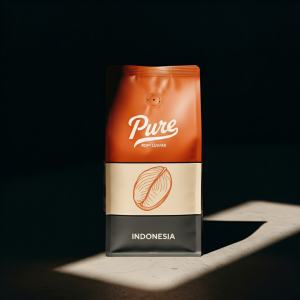
Pure Kopi Luwak
Wild civet coffee from Java. 88.5 SCA cupping score. From $125 for 100g.
What 140.6 Miles Actually Requires
Training for an Ironman takes six months at minimum, and most athletes spend closer to a year building the base fitness required before the specific race preparation begins. Peak training weeks run 12 to 20 hours — not hours of being active, but hours of deliberate structured work: swimming laps at 5am, long rides on Saturdays that last four to six hours, back-to-back runs on the weekend to simulate race fatigue. This is on top of a job, a family, a life.
What this means practically is that by the time an Ironman finisher crosses the line, they have spent a year of mornings and weekends on preparation. Hundreds of hours. Early alarms, long training blocks that consumed the time that other people spent doing other things. The race itself is the proof point of all of it — a single day where everything they built either holds or doesn’t. When it holds, when they get through all 140.6 miles and cross that line before midnight, the achievement is proportional to everything that went into it.
The question of what to give an Ironman finisher is really a question of proportionality. Something that took a year of preparation and twelve hours of execution deserves something more considered than a congratulations card.
Try the coffee this article is about
Wild-sourced from Java, 88.5 SCA cupping score, free US shipping. From $125 for 100g.
Shop Pure Kopi Luwak →Why the Finish Line Calls for Something Exceptional
Most gifts after athletic achievements are generic by design: race shirts, medals, gear bags, foam rollers. These are fine in the sense that they’re appropriate — nobody is offended by a foam roller — but they don’t acknowledge what actually happened. They treat the Ironman finish as a sports achievement rather than as evidence of sustained, voluntary commitment over a long period of time.
The gifts that land after an Ironman are the ones that match the occasion’s actual weight. Something rare. Something that someone chose specifically. Something that required some consideration to find and some investment to give, proportional to the investment the athlete made. The calculus isn’t complicated: a person who spent 12 to 20 hours per week for six to twelve months on a single goal deserves a gift that reflects the same quality of intention.
That’s a different standard than “something nice.” It’s a specific category of gift — rare, earned, not easily replaced — that signals the giver understood what the finish line actually cost.
Why Wild Kopi Luwak Is the Ironman Coffee
Wild kopi luwak takes approximately as long to produce as an Ironman takes to race, and cannot be rushed by any amount of money or effort. Asian palm civets in the Javanese highlands forage freely for ripe coffee cherries across a seasonal window, selecting only the fruit at peak ripeness. The beans spend 12 to 24 hours in the civet’s digestive tract — a fermentation process driven by enzymatic activity that reduces bitterness compounds and produces the smooth, low-acid cup that wild kopi luwak is known for. After collection, the beans are hand-sorted on farms at 1,400 meters elevation, dried over weeks, and processed before export. The entire chain from cherry to cup is unscalable: approximately 500 kilograms of authentic wild kopi luwak reaches international markets per year.
The connection to Ironman isn’t forced. Both are things that take the time they take, can’t be shortcut, and produce something that’s qualitatively different from faster alternatives. A cup of wild kopi luwak brewed well is noticeably different from any other coffee — smooth where other coffees are sharp, complex where others are flat. It rewards the five minutes of intention it takes to brew properly. It’s rare in a way that’s documented and real, not a marketing claim. More on the sourcing and performance applications in the guide to kopi luwak for athletes.
The Morning After
The day after an Ironman, the medal is on the wall, the legs are wrecked, and nothing hurts in a way that will resolve quickly. The athlete is in a specific physical state: depleted, sore, not ready for anything demanding, but also not done processing what happened the day before. The morning coffee on that day is not an afterthought. It’s the first decision of the post-race life — the beginning of whatever comes after a year of preparation culminating in one day.
Wild kopi luwak on that morning is the right cup. It’s not a training drink or a recovery formula. It’s just coffee that’s worth the time it takes to drink it. Brewing it properly takes five minutes of attention — grinding, heating, pouring, waiting. After a race that took twelve-plus hours and a year of build-up, five minutes of intentional coffee preparation is a reasonable way to start the day after.
Order in advance of the race so it arrives before the finish line does. Pure Kopi Luwak ships internationally, wild-sourced from Java, in 100g and 250g bags. For guidance on presenting this kind of gift — how to frame it, when to send it, what to include — the gift guide covers it well. The medal is permanent. The morning after is a single day. Make it proportional to what earned it.
Pure Kopi Luwak
Wild civet coffee from Java. 88.5 SCA cupping score. From $125 for 100g.
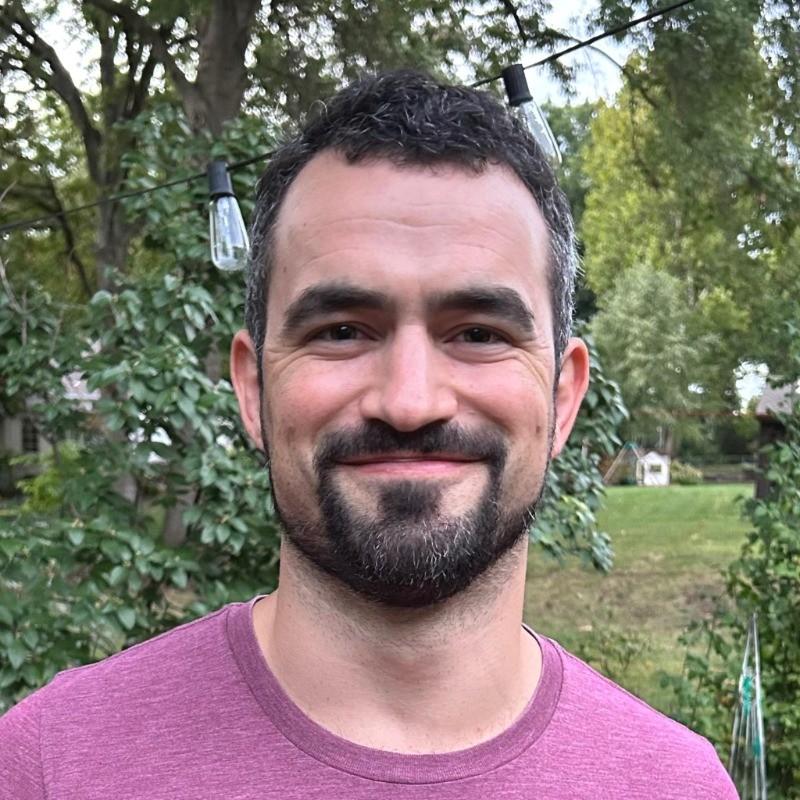
Roger Abbott founded Pure Kopi Luwak in 2018 after a trip through the volcanic highlands of Java, and has bought from the same farming families ever since. He only works with collectors of wild civet coffee, never caged. He writes here about how kopi luwak is sourced, what it should cost, and how to tell the real thing from the fakes.