In Japan’s high-end department stores, gifts of premium food come with a quiet ceremony. The wrapping matters. The provenance is recited before the item changes hands. The occasion is named. The whole ritual communicates that the giver thought carefully — not just about what to buy, but about the experience of receiving it.
Most people buying kopi luwak for someone they care about don’t operate in that register. They’ve found a genuinely exceptional coffee, they’re excited about it, and they hand it over saying something like, “It’s made from civet poop — but trust me, it’s incredible.”
That opening sentence is the enemy of a good gift.
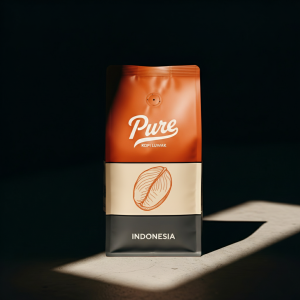
Pure Kopi Luwak
Wild civet coffee from Java. 88.5 SCA cupping score. From $125 for 100g.
The Problem With Leading With the Poop
Kopi luwak’s production process is genuinely interesting: a wild palm civet forages through Javanese coffee plantations at night, selects only the ripest cherries by smell, consumes them, and passes the intact beans through its digestive system. Enzymatic activity during that passage changes the bean’s chemistry — reducing acidity and bitterness precursors, creating a smoother, more complex cup. Researchers at the Central University of Kerala published a 2025 study in Scientific Reports documenting the specific fatty acid compounds involved. The science is real and compelling.
But there are two ways to tell this story, and they produce entirely different responses from the person receiving the bag.
Version A: “It’s made from poop — goes through a civet’s digestive system.”
Version B: “The civet acts like a natural quality-sorter — it only eats the perfectly ripe cherries, and something in its digestive process changes the bean’s chemistry in a way that makes the coffee smoother than anything else. Researchers just published a study on the specific compounds involved.”
Both versions are accurate. One creates a face. The other creates curiosity. The coffee in the bag is identical either way — but which experience do you want the recipient to have when they open it?
The 90-Second Briefing
The best presentation for a kopi luwak gift takes about ninety seconds. Here’s the structure that works:
Start with the place. “This comes from Java — the eastern end of the island, high-elevation Arabica growing on volcanic hillsides.” This establishes that it’s not a novelty item. It has a specific home with a specific geography.
Add the scarcity. “Wild production runs maybe 500 kilograms a year globally. This is the rare kind — collected from wild civets, not the caged version.” This communicates value without quoting a price, which always makes gift-giving awkward.
Explain the process correctly. “The civets are incredibly selective — they only eat the ripest fruit on the branch. Something in how they process the bean makes the coffee notably smoother and less bitter than anything else in the world. Scientists have been studying the specific chemistry for decades.” This invites intelligent curiosity rather than a gut reaction.
Finish with the instruction. “Medium-fine grind, French press or pour-over to really appreciate what it tastes like. Drink it black the first time.” This tells the recipient you thought about what they’d do with it, not just that you found something impressive to order.
Try the coffee this article is about
Wild-sourced from Java, 88.5 SCA cupping score, free US shipping. From $125 for 100g.
Shop Pure Kopi Luwak →Timing and Freshness
Premium whole-bean coffee has a freshness window. Kopi luwak is best consumed within a few months of its roast date, and within two to three weeks of opening the bag. This has practical implications for when to give it.
If you’re giving it for a birthday or occasion six weeks from now, give it at the time of purchase — when it’s close to the roast date — rather than storing it until the event. A bag sitting on a shelf for six weeks, then opened, then consumed gradually over another month, is a meaningfully different experience than fresh beans drunk within three weeks of opening.
For occasions where the gift will sit in a hamper or under a tree for a week before being opened, check that the packaging includes a one-way degassing valve — the small circular valve on quality specialty coffee bags that allows CO2 to escape while keeping oxygen out. An unsealed bag, or a bag without this valve, suggests the producer didn’t prioritize freshness, which raises broader questions about sourcing.
What to Pair It With
A bag of wild kopi luwak stands well on its own. If you want to complement it, the most useful addition isn’t a machine — recommending someone’s brewing equipment is presumptuous and expensive — but something simpler that meaningfully improves the experience.
A compact hand burr grinder in the $50-80 range paired with a bag of whole-bean kopi luwak creates a package that’s both practical and considered. Blade grinders chop unevenly and generate heat that degrades volatile aromatic compounds — the very compounds that make the difference between this coffee and a standard arabica. A burr grinder preserves them. It’s the single most impactful addition to any premium coffee gift.
Alternatively, a quality coffee book — James Hoffmann’s The World Atlas of Coffee (2018 updated edition) is the standard recommendation for serious coffee readers — creates a pairing where the recipient can read about what they’re about to drink. The section on Indonesian coffees provides useful context.
What Not to Do
Don’t apologize for the price. Some people feel compelled to contextualize premium gifts with “it’s a bit of an indulgence” or “I know it’s unusual.” This inadvertently frames the gift as a risk or a peculiarity rather than a deliberate, informed choice.
Don’t over-promise the experience. The best-case scenario when someone tastes great kopi luwak is that they find it genuinely different and interesting — smoothness, complexity, low bitterness — not that they have a transcendent epiphany. Frame expectations accurately: “It’s unlike anything you’ve had, and most people find it noticeably smoother. Worth tasting it once.”
Give it confidently. Tell the story in the right order. Let them open it, smell the beans, and form their own impression. The coffee will do the rest of the work.
For other occasions where kopi luwak works particularly well as a gift, see our guides on corporate gifting and housewarming presents, both of which address specific contexts where the storytelling approach above can be adapted.
Pure Kopi Luwak
Wild civet coffee from Java. 88.5 SCA cupping score. From $125 for 100g.

Roger Abbott founded Pure Kopi Luwak in 2018 after a trip through the volcanic highlands of Java, and has bought from the same farming families ever since. He only works with collectors of wild civet coffee, never caged. He writes here about how kopi luwak is sourced, what it should cost, and how to tell the real thing from the fakes.