The Institute of Culinary Education in New York City lists palate development as one of its core curriculum competencies — not a bonus module or an elective, but a foundational skill taught alongside knife technique, sauce structure, and plating design. The Culinary Institute of America in Hyde Park, which confers a 66-credit Associate in Occupational Studies degree through its Culinary Arts program, builds taste calibration into the arc of the entire training. What culinary schools are teaching, beneath the recipe execution and the professional kitchen protocols, is how to know what you are tasting. That is the credential the diploma represents more than any particular technique it took to earn it.
A graduation gift for someone who just completed that training should honor what they have developed. A gift card to a restaurant honors nothing in particular. A nice knife is practical but expected. Wild kopi luwak is neither practical nor expected — but it is a coffee complex enough to deserve a trained palate, and presenting it to someone who has spent eight months to four years developing one is a different gift than presenting it to anyone else.
What the Training Actually Produces
Culinary school palate training is not about acquiring the ability to identify individual ingredients in a blind test — though that comes with time — so much as it is about learning to disaggregate sensory experience. The ability to distinguish bitterness from astringency, to identify where a sauce breaks structurally before it is visible, to taste a reduction and know what it needs rather than what it currently has, takes deliberate cultivation over hundreds of hours of practice. ICE graduates its diploma students in as little as eight months of intensive coursework. CIA’s bachelor’s degree programs run four years. The difference in training duration correlates directly to the depth of sensory vocabulary the student develops.
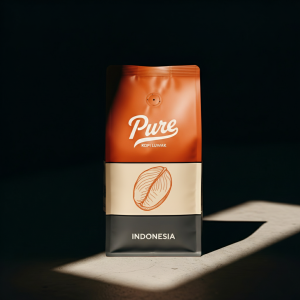
Pure Kopi Luwak
Wild civet coffee from Java. 88.5 SCA cupping score. From $125 for 100g.
Coffee is an area where that vocabulary pays immediate dividends, and where it is rarely applied deliberately by culinary graduates. Students are trained to think about flavor in wines, in stocks, in chocolate, in pastries. Coffee is often treated as a background element — something to pair with dessert rather than to analyze in its own right. This is a genuine gap. The flavor complexity in excellent whole-bean coffee is comparable to wine in its range and in the precision it rewards. Giving a culinary graduate access to the most unusual coffee in the world is giving them an opportunity to close that gap.
Try the coffee this article is about
Wild-sourced from Java, 88.5 SCA cupping score, free US shipping. From $125 for 100g.
Shop Pure Kopi Luwak →Why Kopi Luwak Is the Right Coffee for This Gift
The reason to give a culinary graduate wild kopi luwak is not that it is expensive. It is that it is genuinely unusual in ways a trained palate will notice and articulate, and that brewing it well — grinding fresh, using calibrated water temperature, choosing a brewing method that preserves the volatile aromatics — is exactly the kind of intentional process a culinary education teaches you to approach.
Wild kopi luwak from the volcanic highlands of West Java starts with Arabica Typica cherries selected by free-ranging Asian palm civets. The civets choose peak-ripe fruit by smell, with a precision that selective hand-picking cannot consistently match at scale. The beans then pass through the animal’s digestive system, where proteolytic enzymes partially break down the proteins that become bitter compounds during roasting. Food chemistry research has documented lower concentrations of malic and citric acids in kopi luwak compared to conventionally processed beans from the same origin, which helps explain the smoothness and reduction in sharp acidity. The result, when properly medium-roasted, trends toward dark chocolate and mild earthiness with a body that lingers past the last sip.
A person who has spent months to years learning to taste will have something specific to say about all of that. They will notice the low bitterness as a structural feature rather than just a preference. They will recognize the body as a consequence of specific processing rather than roast level. They will probably brew it more carefully than most recipients would, which means they will get more out of it. The gift matches the training.
The Connection to a Culinary Principle
Culinary school teaches a principle that runs through every discipline in professional cooking: exceptional ingredients require less intervention, not more. Good stock-making is about using excellent bones and not rushing the process. Quality vinaigrette is about the oil. The principle extends directly to coffee — the better the base material, the more the brewing method becomes about restraint and attention rather than compensation for mediocre beans.
Wild kopi luwak is the coffee version of a lesson culinary students learn early: quality sourcing matters more than technique, and once you have quality sourcing, the technique becomes about revealing rather than constructing. A graduating culinary student who is handed a bag of the world’s rarest coffee and a brief explanation of where it came from has, in a small way, been given the same lesson again in a new register. That reinforcement is part of what makes the gift appropriate for this particular recipient.
Practical Notes for the Giver
Buy whole bean and let them grind it. A culinary graduate almost certainly has access to a grinder, and grinding fresh makes a measurable difference in a coffee this complex. Include a brief note that points them toward what to expect in terms of flavor — not a brewing tutorial, but a description of what the coffee actually tastes like, so they have something to compare against their own experience when they finally brew it.
A 100g bag is the right quantity: eight to ten cups, enough to become a ritual over several weeks as the new professional life starts. It is priced at 25 — expensive enough to register as significant, not so expensive that it creates awkward obligation.
They spent months or years learning to taste the world more precisely. Give them something worth tasting.
Pure Kopi Luwak
Wild civet coffee from Java. 88.5 SCA cupping score. From $125 for 100g.
Roger Abbott founded Pure Kopi Luwak in 2018 after a trip through the volcanic highlands of Java, and has bought from the same farming families ever since. He only works with collectors of wild civet coffee, never caged. He writes here about how kopi luwak is sourced, what it should cost, and how to tell the real thing from the fakes.