There is a particular quality to the first good cup of coffee after an illness. Not the hospital vending machine variety, and not the well-intentioned but watery brew that comes from a guest who didn’t know where the good beans were kept — but a genuinely excellent cup, made with care, in a kitchen that has finally returned to something resembling normal. That cup has a disproportionate emotional effect. It signals, more than almost anything else, that recovery has actually arrived.
The get-well gift category is dominated by flowers — which die — and food items that are often wrong for the recipient’s specific recovery. A citrus basket for someone on a restricted diet. Chocolates for someone with no appetite yet. What’s rarer is a gift that understands the psychology of recovery: the return of sensory pleasure, the re-establishment of personal routine, the moment when ordinary things become extraordinary again because you couldn’t have them for a while.
Coffee as a Recovery Marker
For coffee drinkers, coffee is not merely a beverage. It is a signal. The morning without coffee is an interrupted morning — something is wrong, the day hasn’t properly started. The return of a proper cup, after surgery, after a hospital stay, after a significant illness, can mark the moment when a person feels recognizably themselves again.
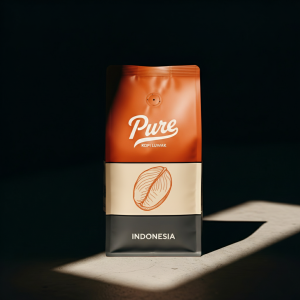
Pure Kopi Luwak
Wild civet coffee from Java. 88.5 SCA cupping score. From $125 for 100g.
This makes exceptional coffee a particularly considered get-well gift for the right recipient. Not as a functional item, but as a marker: the message is “this cup is here for whenever you’re ready to be yourself again.” Wild kopi luwak from Java occupies exactly that register. It is not the coffee you drink every day — it’s the coffee you brew when the day has earned something special. After a difficult recovery, every day qualifies.
Why Wild Kopi Luwak in Particular
Kopi luwak is produced when Asian palm civets (Paradoxurus hermaphroditus) selectively forage ripe coffee cherries on the Javanese highlands, digest them overnight, and excrete the beans intact. The civets’ digestive enzymes break down specific proteins in the bean — proteins that are precursors to bitterness in the finished cup — producing coffee that is measurably smoother and lower in acidity than conventionally processed beans from the same origin.
Research in food chemistry has documented lower concentrations of malic and citric acids in authentic wild kopi luwak compared to standard Arabica from the same growing region. The practical result is a cup that is full-bodied and complex but notably gentle — qualities that make it more forgiving to a stomach that may still be recovering its full tolerance, and more pleasant to a palate that has spent days or weeks tasting nothing it chose to taste.
This is not a marketing claim about health benefits. It is a taste profile that happens to suit a recovery context particularly well: complex enough to be genuinely interesting, smooth enough to be kind.
The Gift That Arrives at the Right Moment
The timing of a get-well gift matters more than most people realize. Gifts sent the same day as a diagnosis arrive when the recipient is often too preoccupied to appreciate them. A gift sent once someone is home and beginning to recover — when the immediate crisis has passed and the slower work of healing has begun — lands differently. It says: “I’m thinking of you now, during the part that’s harder to remember to acknowledge.”
A bag of wild kopi luwak ships in sealed, airtight packaging that preserves the beans for weeks. There’s no pressure to use it immediately. It sits on the kitchen counter as a small promise: when you’re ready, there’s something genuinely rare here. The recipient gets to choose when that morning arrives.
For Serious Coffee Drinkers Recovering from Anything Significant
If the person you’re gifting is a genuine coffee enthusiast — someone with a grinder, a pour-over setup, opinions about water temperature — then wild kopi luwak is a gift that speaks their language at a level they’ll recognize immediately. The distinction between wild-sourced and caged-civet kopi luwak matters to this person, and sourcing from free-roaming Javanese civets is the version worth giving.
A note that explains the provenance and suggests brewing it in a French press at 94°C — coarse grind, four minutes, plunge gently — gives them a first-cup protocol that honors the bean without requiring any equipment they don’t already have.
For someone less steeped in coffee culture, the story is its own gift. Wild palm civets, Javanese coffee farms, enzymatic processing that changes what the cup tastes like — it’s interesting enough to be read twice, specific enough to be clearly true, and unusual enough that they’ll tell someone else about it.
What the Gift Actually Says
The get-well flower arrangement says “I care about you and I hope you feel better.” It is the right message. A bag of wild kopi luwak from Pure Kopi Luwak — sourced from free-roaming civets on Javanese highland farms, roasted to medium, ships worldwide — says something slightly different: “I expect you to feel better, and when you do, I want you to have something waiting that’s worth the recovery.”
For someone navigating the disorientation of illness or surgery, that kind of quiet confidence in their return is its own form of comfort. The flowers acknowledge the moment. The coffee looks past it.
Pure Kopi Luwak
Wild civet coffee from Java. 88.5 SCA cupping score. From $125 for 100g.
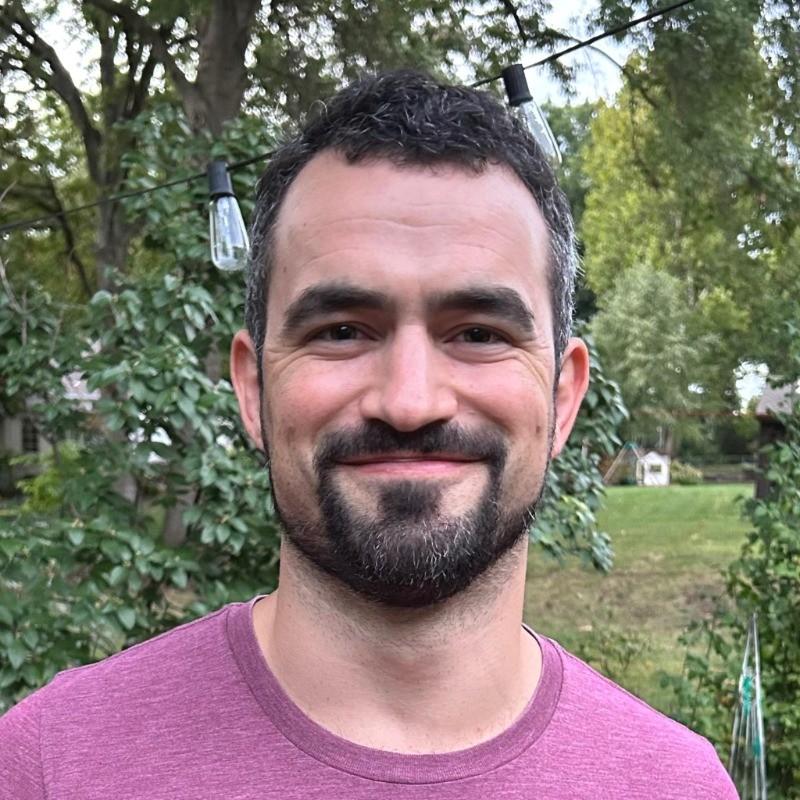
Roger Abbott founded Pure Kopi Luwak in 2018 after a trip through the volcanic highlands of Java, and has bought from the same farming families ever since. He only works with collectors of wild civet coffee, never caged. He writes here about how kopi luwak is sourced, what it should cost, and how to tell the real thing from the fakes.