Most kopi luwak sold online IS a scam — cheap filler beans mislabeled as civet-processed. Wild-sourced kopi luwak from verified farms is real, rare, and nothing like what’s sold in tourist markets.
That’s the short answer. But if you’re about to spend money on the world’s rarest coffee — or you’ve already been burned once — you deserve the full picture.
What Makes Most Kopi Luwak a Scam
The kopi luwak industry has a serious authenticity problem, and it starts with the economics. Genuine wild-harvested kopi luwak is produced in small batches, hand-collected from the jungle floor, and available only during limited harvest seasons. The supply is genuinely constrained. That makes it expensive — and it makes it a target for fraud.
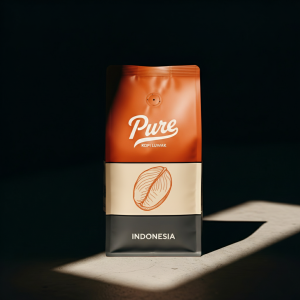
Pure Kopi Luwak
Wild-sourced. Organic. Arabica. From $125.
Here’s what you’ll actually find in most “kopi luwak” sold online and in tourist markets:
- Fake farms claiming wild sourcing. Many operations label their product “wild” while using caged civets on industrial farms. There’s no regulatory body enforcing these claims, so sellers use the word freely.
- Blended beans. A small percentage of genuine civet-processed coffee gets mixed with regular Arabica or Robusta, then sold as kopi luwak. There’s no way to detect this without lab testing.
- Tourist trap packaging. Bali gift shops and airport kiosks sell kopi luwak in ornate boxes at seemingly premium prices — but the coffee inside is often generic or minimally civet-processed at best.
- Amazon and marketplace listings. No traceability, no farm verification, no supply chain transparency. A $25 bag on Amazon is not kopi luwak.
The sad reality: most people who think they’ve tried kopi luwak haven’t. They’ve had a blended or mislabeled product that shares nothing in common with the real thing except the name.
The Difference Between Scam Kopi Luwak and the Real Thing
Real kopi luwak comes from wild Asian palm civets (Paradoxurus hermaphroditus) living freely in coffee-growing regions of Java, Indonesia. These animals naturally eat ripe coffee cherries as part of their diet. Their digestive enzymes break down proteins in the bean during transit, fundamentally changing the coffee’s flavor profile — producing a coffee that’s smoother, less bitter, and more complex than conventionally processed beans.
The beans are then collected from the jungle floor, washed, sun-dried, hulled, and roasted in small batches. The process is labor-intensive, seasonal, and impossible to scale industrially. That’s exactly why it’s expensive.
Farmed kopi luwak — where civets are kept in cages and force-fed coffee cherries — produces an inferior product on top of being ethically indefensible. Civets in captivity are stressed, malnourished, and eat whatever they’re given rather than selecting only the ripest cherries (which is critical to quality). The flavor difference is real. The ethical difference is obvious.
Wild-sourced kopi luwak requires the civet to be free-roaming, selecting cherries naturally, in its native habitat. It’s not just a marketing term — it’s the entire mechanism that makes the coffee what it is.
How to Spot a Legitimate Seller
If you’re buying kopi luwak, here’s your checklist:
- Farm traceability. Can the seller name the specific region, farm, or cooperative? Can they tell you how the beans were collected and processed? Legitimate sellers can. Scammers can’t.
- Wild-sourcing certification or verification. Look for explicit claims about free-roaming, wild civets — not just “natural” or “traditional.” Wild matters.
- No suspiciously low prices. If it’s under $100 per 100g, ask yourself how. The economics of genuine wild kopi luwak don’t allow for low prices.
- Direct supply chain. The closer the seller is to the source, the more trustworthy the product. A retailer with direct relationships to Java farms is categorically different from a marketplace reseller.
- Willingness to explain the process. Authentic sellers are proud of their sourcing. They’ll tell you about the civets, the harvest season, the processing method. Scammers keep things vague.
What Real Kopi Luwak Actually Costs
Genuine wild-sourced kopi luwak starts at $125 for 100g. That’s not a markup for exclusivity — that’s what the economics of small-batch, hand-harvested, wild-sourced coffee actually look like.
At 100g, you’re getting roughly 10–15 cups of coffee, depending on how you brew. That works out to $8–12 per cup — comparable to a specialty coffee at a high-end café, and less than most people spend on a single cocktail. Framed that way, it’s not outrageous. It’s just honest pricing for an honest product.
If someone is selling kopi luwak for $20–$40 per 100g, do the math: how are they sourcing wild civet beans, hand-collecting them, processing them in small batches, and shipping them internationally for that price? They’re not. The product is something else entirely.
The scam in the kopi luwak market isn’t the coffee itself — it’s the sellers who use the name to charge a premium for a product that has nothing to do with the real thing. Real kopi luwak is worth every dollar. The knockoffs aren’t worth anything.
Ready to try the genuine article? Shop wild-sourced kopi luwak from Java, Indonesia →
Pure Kopi Luwak
Wild-sourced. Organic. Arabica. From $125.
Roger Abbott is the founder of Pure Kopi Luwak. He has spent over a decade sourcing wild kopi luwak directly from farmers and collectors in the highlands of Java, Indonesia — working exclusively with wild civets, never caged. He writes about specialty coffee, Indonesian origins, and the science behind what makes kopi luwak taste the way it does.
