By the time a 100-gram bag of wild kopi luwak arrives at your door, it has passed through more human hands, in more careful steps, over more time, than virtually any other coffee you can buy. The process begins before sunrise on a highland farm in Java — at altitudes between 1,000 and 1,500 meters in the volcanic belt that runs through East and West Java — when a farmer walks the perimeter of the plantation to check for what the civets left the night before.
The Asian palm civet (Paradoxurus hermaphroditus) is nocturnal. It forages through the night, climbing coffee trees, assessing and selecting cherries by smell and taste, eating only what meets its standard. By morning, it has moved on, leaving behind small clusters of beans — intact seeds in their hard seed coat, protected through the digestive process — on the forest floor and along plantation edges. Finding those deposits is the first of many acts of hand labor that make wild kopi luwak what it is.
The Collection Walk
Farmers who work wild kopi luwak farms learn the civet’s routes. Wild Asian palm civets follow paths between fruiting trees, patrol similar territories each season, and concentrate their foraging where cherries are ripest at any given moment during harvest. In Java, that season runs from roughly May to October, when the island’s Arabica harvest peaks and wild civets respond to the abundance of ripe cherries in the plantations.
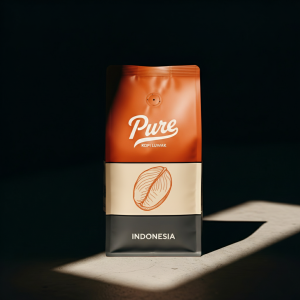
Pure Kopi Luwak
Wild civet coffee from Java. 88.5 SCA cupping score. From $125 for 100g.
The collection walk covers plantation edges and the forested margins between farms — the transition zones where wild civets feel most secure. A single productive wild civet might deposit between 50 and 100 coffee beans on a productive night, scattered across a route that can span hundreds of meters. The farmer walks that route in the early morning light, checking known civet paths, collecting what was deposited overnight, carrying a basket that fills slowly over the course of an hour or more of careful searching.
On a productive morning during peak harvest, a farm with good civet activity might yield 200 to 400 grams of raw kopi luwak beans — enough for a few finished bags after processing losses. On a slow morning, or early in the season before civet activity peaks, a two-hour collection walk might produce 50 grams. There is no way to increase volume through effort. The civets determine the yield. The farmer’s job is to find what they left.
Washing and the First Sort
Raw collected beans arrive covered in remnants of cherry pulp and digestive material. The first processing step is thorough washing — multiple rinses in clean water until the beans are completely clean. This is done by hand, working through small batches, checking each bean for integrity. Beans that are cracked, broken, or malformed are discarded at this stage. The rejection rate can be significant, particularly early in the season when the civets have consumed a wider range of cherries before settling into their peak-selection behavior.
After washing, the beans are spread on raised drying beds — mesh or bamboo platforms that allow air circulation on all sides — and sun-dried for 10 to 14 days depending on weather conditions. Java’s highland climate during harvest season alternates between intense sunlight and afternoon rain, which means the drying beds require daily attention: moving beans indoors when rain approaches, spreading them again in the morning, turning them by hand several times throughout the day to ensure even moisture loss. Uneven drying produces inconsistent roasting behavior, so this step cannot be rushed without sacrificing the quality that the collection work upstream already produced.
Try the coffee this article is about
Wild-sourced from Java, 88.5 SCA cupping score, free US shipping. From $125 for 100g.
Shop Pure Kopi Luwak →Hulling and Grading
After drying, the beans still carry the parchment layer — the papery protective hull that surrounds the green coffee seed. Hulling removes this layer. For conventional coffee processed at scale, hulling is a mechanical operation handling hundreds of kilograms per hour. For wild kopi luwak, the volumes are too small and the beans too valuable to run through equipment calibrated for conventional processing. Hulling is done by hand or through small-batch equipment with careful supervision at each stage.
After hulling, the green beans are graded. Each bean is inspected visually for size consistency, color uniformity, and absence of defects — insect damage, fermentation marks, mold spots, cracking. The grading standards for wild kopi luwak are more stringent than for conventional green coffee because every bean has already been through the extraordinary process of civet selection and digestive transformation. A defective bean at this stage represents a complete waste of all the labor that preceded it.
Experienced graders who have worked kopi luwak for years develop the ability to identify the subtle characteristics of civet-processed beans — a slight surface texture difference that distinguishes them from conventionally hulled beans that might have been mixed in fraudulently. This is part of how the authenticity chain is maintained at the farm level, before any laboratory or certification process is involved.
Why the Price Is What It Is
The economics of wild kopi luwak are set by steps that cannot be accelerated, scaled, or automated without destroying the product. The civets select their own cherries on their own schedule. The collection walks are human-paced, covering terrain that resists mechanization. The washing, drying, hulling, and grading are all hand operations requiring trained attention at each stage. The total yield per farm, per season, is determined by civet behavior — not by production targets or supply contracts.
Wikipedia’s figure for wild-collected kopi luwak — approximately $1,300 per kilogram at retail — reflects genuine scarcity rather than premium markup on a commodity. The farm-gate price for authenticated wild kopi luwak in Java is significantly higher than for conventionally processed Arabica from the same farms, because the labor cost embedded in the collection and processing chain is proportionally enormous relative to yield.
The difference between wild and caged kopi luwak is not just a flavor or ethics distinction — it’s a labor distinction. Cage farming produces consistent volume without the collection walks, the variable yields, the early morning searches along civet routes. It’s cheaper to produce and it costs less. It also tastes like what it is: the same process run through a compromised system without the selectivity and care that wild collection requires from the people doing it.
The People in the Chain
Java’s wild kopi luwak farms are typically small operations — family farms of 2 to 5 hectares in the highland regions of East and West Java — embedded in broader Arabica-growing communities. The farmers who collect kopi luwak are not specialists who do only this work; they’re smallholder coffee farmers for whom kopi luwak collection represents a premium income stream during harvest season, layered onto their conventional coffee work.
The relationship with wild civets is not a cultivation relationship. Civets aren’t attracted to the farms or managed in any way — they range freely and visit farms because the coffee cherries are a food source. In regions where wild kopi luwak collection has become economically significant, there’s a documented incentive for farmers to protect the civets that might otherwise be considered pests. The same animals that occasionally raid fruit trees are also responsible for the most valuable coffee on the farm — which changes how farmers think about them and about the habitat that supports them.
That dynamic is part of what genuine wild kopi luwak supports when you buy it. A purchase that goes back to wild-sourced Javanese farms compensates farmers fairly for some of the most labor-intensive work in their agricultural year, and it makes wild civet habitat economically worth maintaining. The people who walk those plantation edges before dawn, basket in hand, have earned what the price pays them. The coffee in your cup is the evidence of their morning’s work.
Pure Kopi Luwak
Wild civet coffee from Java. 88.5 SCA cupping score. From $125 for 100g.
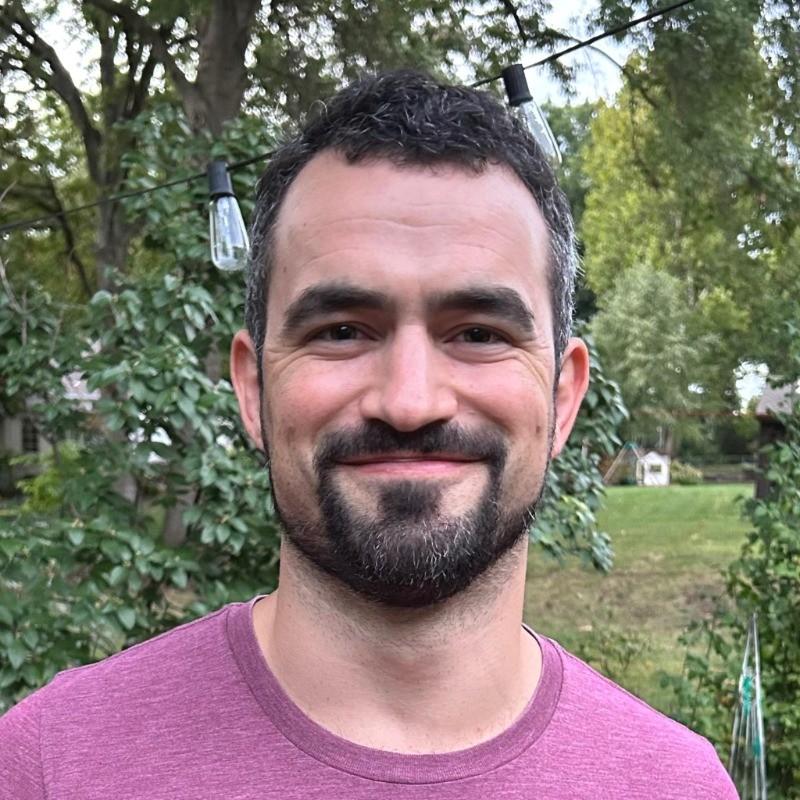
Roger Abbott founded Pure Kopi Luwak in 2018 after a trip through the volcanic highlands of Java, and has bought from the same farming families ever since. He only works with collectors of wild civet coffee, never caged. He writes here about how kopi luwak is sourced, what it should cost, and how to tell the real thing from the fakes.