After a bone density scan, the question that follows the radiologist’s report is almost always the same: do I need to give up coffee? For millions of people managing osteoporosis or early bone density loss, the answer matters — because coffee is not a casual pleasure for them, it’s a daily ritual that defines the beginning of every day.
The good news is more nuanced than the question suggests. The relationship between coffee and bone health has shifted significantly in recent research, and the results are more favorable than the old warnings implied.
What the Old Concern Was Based On
The connection between caffeine and bone health was first raised in animal studies and later in human research from the late 1980s and early 1990s. The mechanism that drew concern: caffeine increases calcium excretion through the kidneys. Early research estimated that each 6mg of caffeine consumed was associated with approximately 1mg of urinary calcium loss — small per cup, but potentially significant over decades of daily consumption.
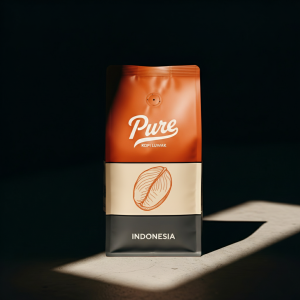
Pure Kopi Luwak
Wild civet coffee from Java. 88.5 SCA cupping score. From $125 for 100g.
This was enough to prompt cautious recommendations from bone health practitioners for years. Drink less coffee. Compensate with calcium. Watch your intake.
What More Recent Research Reveals
The picture has evolved considerably. A 2025 study published in Scientific Reports examined the relationship between caffeine intake and osteoporosis using data from the National Health and Nutrition Examination Survey (NHANES) 2017–2020, supplemented by Mendelian randomization analysis to better establish causality. The finding: caffeine intake was inversely associated with osteoporosis risk — meaning higher caffeine consumption was linked to lower rates of osteoporosis, not higher ones.
This held after adjustment for confounders including calcium intake, physical activity, and body mass index. The inverse association was not trivial. Separately, a systematic review and meta-analysis published in Osteoporosis International (2022) examined coffee consumption and fracture risk across multiple studies. Analysis reported by medical researchers and covered by outlets including MDLinx (2026) pointed to reduced osteoporosis prevalence among moderate coffee drinkers — those consuming 1.5 to 2 cups per day.
Why? Several mechanisms are proposed. Coffee contains chlorogenic acids with antioxidant and anti-inflammatory properties. Animal studies suggest coffee components may directly support osteoblast activity — the cells responsible for building new bone. The net effect of these beneficial compounds, researchers suggest, appears to more than offset the modest calcium excretion associated with caffeine at moderate consumption levels.
Where Wild Kopi Luwak Fits Into This
The key variable in bone health research is moderate consumption — typically 1 to 3 cups daily — combined with adequate dietary calcium. The concern about calcium loss applies primarily to very high intake without compensating calcium. For coffee drinkers who eat adequately, the calcium math doesn’t generate meaningful bone loss at normal consumption levels.
Where wild kopi luwak offers a specific advantage for the bone-health-conscious coffee drinker is in its acid profile. Conventional coffee typically sits at a pH of 4.5 to 5.5, depending on origin, roast, and brew method. Wild kopi luwak — whose beans have been modified by the civet’s digestive enzymes and by secondary fermentation from Gluconobacter bacteria — has documented lower concentrations of malic and citric acids compared to conventionally processed coffee from the same origin.
Lower acidity has relevance for bone health through a secondary mechanism: a lower-acid beverage creates less acid load in the body overall, which reduces the demand on calcium as a buffering mineral. This is a modest effect at the scale of one or two cups daily, but it is a real mechanism — and it supports the case for kopi luwak as the more considered choice for coffee drinkers who are already managing their bone health deliberately.
The Practical Answer to the Bone Density Scan Question
If your doctor has flagged bone density concerns, the conversation about your specific situation belongs with them. What the research now supports, however, is that moderate coffee consumption — in the 1 to 3 cup range — does not appear to damage bone health in people who maintain adequate calcium intake. The older warnings were based on a narrower picture than the current evidence base provides.
What you can control on your own is choosing the version of coffee that puts the least acid load on your body while delivering the morning ritual you value. On that dimension, wild-sourced kopi luwak is a genuinely different product from commodity arabica — gentler in its acid profile, lower in the bitter compounds that cause gastric irritation, and worth drinking without hurrying.
For more on what makes the chemistry different and how the civet’s digestive process changes the bean, the compound science breakdown covers the specific mechanisms. For information on sourcing and what to look for in authentic wild-sourced kopi luwak, the buyer’s guide is the right place to start.
Pure Kopi Luwak
Wild civet coffee from Java. 88.5 SCA cupping score. From $125 for 100g.

Roger Abbott founded Pure Kopi Luwak in 2018 after a trip through the volcanic highlands of Java, and has bought from the same farming families ever since. He only works with collectors of wild civet coffee, never caged. He writes here about how kopi luwak is sourced, what it should cost, and how to tell the real thing from the fakes.