In a 2023 study published in the Kobe Journal of Medical Sciences, researchers at Kobe University demonstrated something counterintuitive: chlorogenic acid and caffeine — both present in coffee — work together to restore insulin signaling in pancreatic beta cells in vitro. The mechanism involves CGA acting as an antioxidant for beta cell protection while simultaneously reducing endoplasmic reticulum stress. For a substance that many people with diabetes are told to approach cautiously, this adds complexity.
The relationship between coffee and diabetes is genuinely complicated, and it deserves treatment more honest than “coffee raises blood sugar, so avoid it.” For people managing type 2 diabetes or insulin resistance, kopi luwak specifically offers a profile worth understanding before making a decision.
The Two-Level Problem
Coffee’s effect on blood sugar operates on two time horizons that work in opposite directions. Long-term, habitual coffee consumption is associated with a significantly reduced risk of developing type 2 diabetes. A meta-analysis covering over 1.1 million participants, published in Diabetologia in 2014, found that each additional cup of coffee per day was associated with a 6% lower risk of type 2 diabetes — an effect seen with both caffeinated and decaffeinated coffee, suggesting the active mechanism is largely polyphenol-related rather than caffeine-driven.
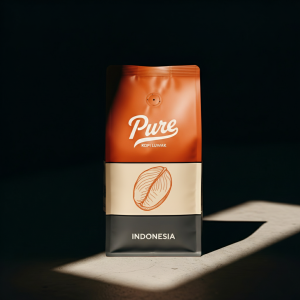
Pure Kopi Luwak
Wild civet coffee from Java. 88.5 SCA cupping score. From $125 for 100g.
Short-term, in people who already have type 2 diabetes, caffeine can acutely raise blood sugar. A controlled trial from Duke University, widely cited in clinical contexts, found that participants with type 2 diabetes who took a 250mg caffeine supplement (roughly equivalent to two cups of coffee) at each of two meals showed blood glucose levels averaging 8% higher throughout the day compared to placebo days. The mechanism appears to be caffeine’s interference with insulin’s ability to clear glucose from the bloodstream in the short window after consumption.
So: coffee drinkers are less likely to develop type 2 diabetes, but people who already have type 2 diabetes may experience worse short-term glucose control when they drink it. These are not contradictory — they reflect different biological contexts and different timescales.
Where Kopi Luwak Fits in This Picture
The relevant modifications that civet processing makes to coffee’s chemical profile are threefold. First, the lower caffeine content (approximately 1.0g per 100g versus 1.2–1.4g in standard Arabica) reduces the acute caffeine load and with it the acute insulin-interference effect. For someone who has found that one cup of regular coffee spikes their post-meal glucose reading, the lower caffeine in kopi luwak may reduce that effect without eliminating it — the direction is favorable even if the magnitude of benefit is modest.
Second, civet digestive processing modifies the chlorogenic acid profile. CGA concentrations in kopi luwak are somewhat lower than in conventionally processed beans from the same origin — the digestive environment partially hydrolyzes some CGA esters. For people with diabetes primarily interested in CGA’s glucose-management benefits, this is a slight negative. However, the protective compounds are retained to a meaningful degree, and the overall polyphenol profile remains active.
Third — and this matters practically — kopi luwak’s low acidity and smooth flavor profile means it can be consumed comfortably without added milk, sugar, or sweeteners that diabetic patients need to carefully account for. Many people with diabetes who drink coffee add substantial amounts of milk or flavored creamer to moderate bitterness and acidity. With kopi luwak, the coffee is smooth enough to drink black without effort, which removes the glucose-management problem of the additions.
The Practical Guidance
None of this replaces the guidance of an endocrinologist or diabetes care team, and anyone with significant glycemic instability should discuss specific coffee intake with their physician. What the evidence supports is that for most people with well-managed type 2 diabetes who are accustomed to coffee, one or two cups of wild kopi luwak — consumed without added sugar or sweetened milk — is unlikely to cause problems materially different from other moderate-caffeine coffee options, and may actually be gentler due to the lower caffeine load and the ability to drink it unadulterated.
The more interesting position may be for people in the “pre-diabetes” or insulin-resistance category who haven’t yet been diagnosed with T2D. For this group, the long-term protective association between coffee consumption and reduced T2D risk is more directly relevant, and choosing a coffee that’s low-acid, lower-caffeine, and genuinely palatable black — which kopi luwak is — supports the kind of moderate, unaugmented coffee consumption that the research links to better metabolic outcomes.
If you’re managing blood sugar and looking for a premium coffee that’s worth thinking carefully about, wild kopi luwak from Java offers a compound profile that’s worth examining on its own terms — not as medicine, but as a thoughtful choice for people who pay attention to what they put in their bodies.
For more on the specific health properties of kopi luwak’s unique processing, this overview of health research covers the wider picture. And for the acid question specifically — relevant both to diabetes management and to general gut comfort — this piece on kopi luwak’s acid profile explains the chemistry.
Pure Kopi Luwak
Wild civet coffee from Java. 88.5 SCA cupping score. From $125 for 100g.

Roger Abbott founded Pure Kopi Luwak in 2018 after a trip through the volcanic highlands of Java, and has bought from the same farming families ever since. He only works with collectors of wild civet coffee, never caged. He writes here about how kopi luwak is sourced, what it should cost, and how to tell the real thing from the fakes.