A 100-gram bag of wild kopi luwak produces, on average, eight to twelve cups of coffee. The grounds that remain after each brew are — at $125 per 100 grams — the most expensive coffee waste most people will ever produce. The instinct to simply compost them is correct but incomplete. There’s a category of uses for spent coffee grounds that has genuine science behind it, and kopi luwak grounds, given their compound profile, sit near the top of what coffee grounds can offer.
This isn’t about getting extra value out of something you paid a lot for. The skincare applications of coffee grounds are legitimate enough that commercial products built around them — Frank Body, Skin O2, several L’Oréal lines — represent a significant market segment. Understanding what your grounds actually do makes it possible to use them intelligently rather than just ritualistically.
What Coffee Grounds Do to Skin: The Evidence
The physical exfoliation mechanism is the most straightforward. Coffee grounds are small, uniformly sized, and water-soluble in a way that makes them easier on skin than salt or sugar scrubs. When you use them as a scrub, they remove dead skin cells mechanically — the same effect as any physical exfoliant — while the grounds themselves dissolve and wash away cleanly. The Cleveland Clinic published guidance in March 2026 confirming that coffee scrubs effectively remove dead skin cells, leading to brighter and smoother skin without microplastic contamination.
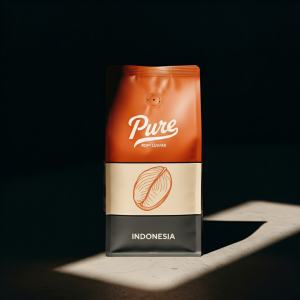
Pure Kopi Luwak
Wild civet coffee from Java. 88.5 SCA cupping score. From $125 for 100g.
The more interesting part is chemical. Caffeic acid, a polyphenol found in all roasted coffee, has documented antioxidant properties that affect skin at the cellular level. A 2013 study documented by Medical News Today found that caffeic acid may boost collagen levels and reduce premature aging of cells. Separately, research has shown that coffee oil has effects on skin similar to hyaluronic acid — the widely used anti-aging ingredient — which helps explain why commercial coffee skincare products have proliferated beyond the obvious scrub category into serums and moisturizers.
Topical caffeine also has a specific mechanism: it constricts blood vessels temporarily, which is why it appears in eye creams targeting puffiness and dark circles, and why some dermatologists recommend caffeine-containing products for rosacea-adjacent redness. These aren’t marketing claims — the vasoconstriction effect is clinically documented.
Try the coffee this article is about
Wild-sourced from Java, 88.5 SCA cupping score, free US shipping. From $125 for 100g.
Shop Pure Kopi Luwak →Why Kopi Luwak Grounds Specifically
All roasted Arabica coffee grounds contain caffeic acid and antioxidants. Wild kopi luwak grounds contain them in a compound profile modified by the civet’s enzymatic processing. Research from the University of Nottingham confirmed that kopi luwak contains measurably higher concentrations of citric and malic acids compared to conventionally processed coffee from the same origin. Whether these specific acid differentials translate into meaningful differences in topical skincare outcomes hasn’t been the subject of dedicated study.
What is straightforward: kopi luwak is a medium-roasted Arabica, which preserves more of the chlorogenic acids and polyphenols that darker roasts destroy. The same enzymatic processing that reduces bitterness in the cup — partial proteolysis by the civet’s digestive enzymes — doesn’t meaningfully affect the antioxidant compounds that are relevant to topical use. Spent kopi luwak grounds are medium-roast Arabica grounds with an unusual processing history, and medium-roast Arabica grounds happen to be among the better options for coffee skincare applications because they retain more of the beneficial compounds that heavy roasting degrades.
The Basic Scrub: Ratios and Method
The simplest application requires only two ingredients: spent kopi luwak grounds and a carrier oil. Coconut oil, olive oil, or sweet almond oil all work. The standard ratio is two parts grounds to one part oil by volume — enough to bind the grounds without making the scrub runny. Mix in a small bowl, apply to damp skin in gentle circular motions, leave for one to two minutes, then rinse thoroughly.
A few practical notes: coffee grounds stain. Use a cloth you don’t care about to dry after rinsing, and be prepared for a brief dark ring in the shower that cleans off easily. The spent grounds from a 10-gram kopi luwak cup — the amount used for a standard pour over — produce enough material for one good face or hand scrub, or a portion of a body scrub that would require five to six cups’ worth of grounds to cover the full surface area.
The grounds work best when used within twenty-four hours of brewing. After that, they begin to develop mold in humid conditions. If you’re storing them, keep them dry and refrigerated, and use within forty-eight hours.
Other Applications Worth Knowing
Beyond scrubs, spent grounds have a few specific uses. The vasoconstriction effect makes a cold ground-and-water paste applied under the eyes for ten minutes a reasonable option for morning puffiness — the caffeine content in even spent grounds is sufficient to produce the effect. This is essentially what expensive eye cream serums are doing, with more sophisticated delivery systems but the same active mechanism.
Coffee grounds also function as a mild odor absorber in small enclosed spaces — a ramekin of spent grounds in a refrigerator or a closed cabinet works similarly to baking soda. For anyone who keeps kopi luwak beans near other strongly scented items, the spent grounds from your previous bag can earn their keep in the storage area until the next order arrives.
What This Isn’t
Coffee grounds applied topically won’t replace sunscreen, won’t address serious skin conditions, and won’t produce results comparable to clinical treatments. The dermatological evidence supports coffee as a useful supplement to a skincare routine — an exfoliant with legitimate antioxidant properties — rather than as a standalone treatment.
The better frame for thinking about this is that you bought the coffee for the experience in the cup, which is the primary reason wild kopi luwak exists and the best argument for buying it. What you do with the grounds afterward is a secondary use that happens to align with something that works. The first cup justifies the purchase. The grounds are a bonus — one that, as bonuses go, is more useful than most.
For everything about brewing to maximize what you’re getting from each gram, our brewing guide covers the parameters that produce the best cup before the grounds reach any other destination.
Pure Kopi Luwak
Wild civet coffee from Java. 88.5 SCA cupping score. From $125 for 100g.

Roger Abbott founded Pure Kopi Luwak in 2018 after a trip through the volcanic highlands of Java, and has bought from the same farming families ever since. He only works with collectors of wild civet coffee, never caged. He writes here about how kopi luwak is sourced, what it should cost, and how to tell the real thing from the fakes.