Anyone who has passed a kidney stone once will do a great deal to avoid passing another one. The dietary adjustments recommended after a calcium oxalate stone — the most common type, accounting for roughly 80 percent of all kidney stones — include increasing fluid intake, reducing sodium and animal protein, and, somewhat counterintuitively, increasing citrate intake. The last recommendation is often the least understood.
Coffee has a complicated relationship with kidney stones, and the specifics matter if you’re managing kidney stone risk while trying to preserve your daily coffee habit.
How Citrate Prevents Kidney Stones
Citrate — the ionic form of citric acid — prevents kidney stone formation through three related mechanisms. First, citrate binds to calcium in the urine, forming soluble calcium-citrate complexes that stay dissolved rather than crystallizing into stone-forming calcium oxalate. Second, citrate inhibits calcium oxalate crystal growth directly, even when some crystallization occurs. Third, at higher urinary concentrations, citrate raises urinary pH slightly, which reduces the saturation of calcium oxalate and uric acid — reducing their tendency to precipitate.
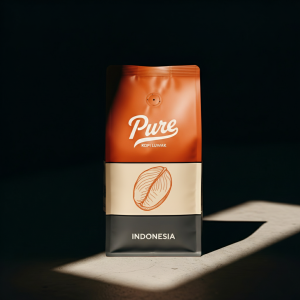
Pure Kopi Luwak
Wild civet coffee from Java. 88.5 SCA cupping score. From $125 for 100g.
A review published in Clinical Kidney Journal (Oxford Academic, 2025) confirmed that urinary citrate is one of the most important inhibitors of calcium and uric acid stone formation, and that increasing dietary citrate intake through food and beverages is a recognized, evidence-based preventive strategy.
Potassium citrate supplements are commonly prescribed for this reason. But dietary citrate from food and beverages — including citric acid in coffee — also contributes to urinary citrate excretion and provides the same protective mechanism.
Coffee and Kidney Stones: The Existing Research
Several large observational studies have found that coffee consumption is associated with a lower risk of kidney stone formation — the opposite of what many coffee-concerned stone formers expect. The 2014 Harvard Health analysis of the Nurses’ Health Studies and Health Professionals Follow-up Study found that coffee was among the beverages associated with reduced kidney stone risk, with caffeinated coffee showing roughly a 26 percent reduction in kidney stone incidence compared to non-drinkers.
The mechanisms proposed include caffeine’s mild diuretic effect (which increases urine volume, diluting stone-forming minerals) and citrate excretion stimulated by coffee’s citric acid content.
Where Wild Kopi Luwak Has a Specific Advantage
Wild kopi luwak’s compound profile differs from conventional arabica in several documented ways. The beans’ exposure to the civet’s digestive enzymes — specifically proteolytic enzymes and the metabolic activity of Gluconobacter bacteria — modifies the bean’s surface chemistry in ways that affect the final cup’s acid profile.
One of the brand’s specific claims, consistent with the chemistry of citric acid in the processing: wild kopi luwak retains notably citric acid, which, unlike malic and some other acids, is a stone-prevention compound rather than a concern. The lower overall acid complexity of kopi luwak — fewer harsh acids, more stable mild acids including citric — makes it a gentler daily beverage while preserving the citrate benefit that observational studies associate with reduced kidney stone risk.
This is not a replacement for medical management of kidney stone risk, particularly for people who have already passed multiple stones or who have a structural cause. But for the large category of coffee drinkers who are stone-prone and wondering whether to continue drinking coffee: the research supports continuing, and choosing a lower-acid, citrate-retaining option like wild kopi luwak over high-acid alternatives is a reasonable refinement.
What to Avoid If You’re Stone-Prone
While coffee is associated with reduced stone risk, other beverage choices matter significantly. Grapefruit juice, cranberry juice, and high-oxalate dark teas are typically flagged by nephrologists as beverages to minimize for stone-prone individuals. Soda — particularly cola, which contains phosphoric acid — is associated with increased stone risk.
The profile of an ideal stone-prevention beverage looks like this: high fluid volume, low oxalate content, contains some citrate, not heavily acidic in ways that stress kidney function. On most of those dimensions, wild kopi luwak compares well with conventional coffee alternatives. It delivers fluid volume, avoids the high-oxalate problem, and carries the citrate content associated with stone prevention.
For a deeper look at the acid chemistry of wild kopi luwak and how it differs from other premium coffees, the taste profile breakdown covers the compound-level differences. And the complete buyer’s guide explains how to identify authentic wild-sourced product — which matters because the compound profile described here only applies to beans that have actually gone through a wild civet, not farmed imitations.
Pure Kopi Luwak
Wild civet coffee from Java. 88.5 SCA cupping score. From $125 for 100g.

Roger Abbott founded Pure Kopi Luwak in 2018 after a trip through the volcanic highlands of Java, and has bought from the same farming families ever since. He only works with collectors of wild civet coffee, never caged. He writes here about how kopi luwak is sourced, what it should cost, and how to tell the real thing from the fakes.