The UK is one of the world’s most developed specialty coffee markets. IMARC Group places the UK coffee market at USD $9 billion in 2025, with the specialty segment growing at 10.7% annually according to Grand View Research — driven by an increasingly discerning consumer base that has moved well beyond commodity coffee. In that market, authentic wild kopi luwak occupies a peculiar position: it’s less available than in most of Asia, less well understood than in most markets where it’s actively sold, and more frequently misrepresented than almost any other premium food product.
Finding the genuine product in the UK requires knowing what the genuine product looks like — and why most of what gets marketed as kopi luwak in British specialty shops, gift stores, and online marketplaces fails that test.
What You’ll Actually Find in UK Shops
The UK market for kopi luwak divides into three rough categories. The first is genuine wild-sourced product from certified suppliers — rare, expensive, and available primarily online from producers who ship internationally with full sourcing transparency. The second is blended or “produced with” kopi luwak, where a small percentage of civet-processed beans is mixed with conventional coffee and sold at a moderate price. The third — and by far the most common — is cage-farmed kopi luwak, produced from captive civets in Indonesia or occasionally the Philippines, sold at prices that look reasonable only because they don’t reflect the true cost of authentic wild collection.
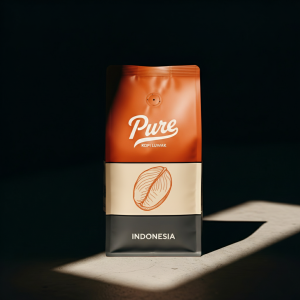
Pure Kopi Luwak
Wild civet coffee from Java. 88.5 SCA cupping score. From $125 for 100g.
Spotting the third category isn’t difficult once you know what to check. Price below £80 for 100 grams is almost always a red flag — authentic wild-sourced kopi luwak costs $125 or more per 100 grams at source, and distribution doesn’t compress that figure significantly. Vague sourcing language is another indicator: “Indonesian kopi luwak” is not a sourcing claim. Look for specific island, specific region, and explicit written confirmation of wild versus caged production. Any marketing imagery showing civets in enclosures is a direct confirmation of cage farming, regardless of what the label says. The animal welfare issue and the quality issue are the same issue — confined, stressed civets don’t produce the same digestive chemistry as healthy wild animals, and the cup reflects that difference.
Try the coffee this article is about
Wild-sourced from Java, 88.5 SCA cupping score, free US shipping. From $125 for 100g.
Shop Pure Kopi Luwak →Why Buying Direct from the Source Makes Sense for UK Buyers
UK customs policy accepts coffee imports from Indonesia without import duties on direct-to-consumer shipments under £135, which covers a standard 100-gram bag of Pure Kopi Luwak. This means ordering directly from a verifiable wild-sourced producer is not only possible but often better than purchasing through a UK retail intermediary — the provenance chain stays short, the certification is direct rather than passed through a distributor, and the price reflects production cost rather than UK retail margin.
The 250-gram bag at $199 may attract a customs declaration and VAT assessment depending on valuation, so UK buyers intending to purchase larger quantities should check current HMRC thresholds before ordering. For 100-gram orders, the direct-purchase route is straightforward and typically delivers within 7 to 14 days.
UK Brewing Considerations
UK tap water hardness varies considerably — London water is notoriously hard, running at roughly 300 mg/L of calcium carbonate, while Scottish and Welsh water sources are among the softest in Europe. Water hardness affects extraction significantly with premium beans. Hard water extracts more quickly and can mask some of the delicate notes in wild kopi luwak, pushing the cup toward flatness rather than the characteristic smoothness the bean is capable of. UK buyers in hard-water areas should use filtered water when brewing.
The brewing method matters as much as the water. UK coffee culture has strong espresso and flat white traditions, but wild kopi luwak rewards a slower, more deliberate approach — pour over or French press — that allows the full flavor profile to develop without the intensity compression of espresso. The Chemex, increasingly popular in UK specialty coffee circles, works particularly well: its thick paper filter removes oils that could distract from kopi luwak’s characteristic smoothness, producing a clean cup that reads differently from anything else in the specialty range.
Recognizing Authentic Product on Arrival
Authentic wild kopi luwak whole beans have a characteristic appearance. They’re slightly uneven in color compared to machine-sorted conventional coffee, sometimes retaining traces of a thin silverskin, and often displaying subtle surface striations from the digestive process. They should smell earthy and complex when the bag is first opened — not sharp or sour, but layered in a way that ordinary arabica isn’t. Ground, the aroma is notably less aggressive than conventional high-grade arabica; there’s depth without the volatile bite.
If your bag arrives and the beans look perfectly uniform and machine-sorted, treat that as a signal worth investigating. Wild collection is inherently variable — genuine wild kopi luwak doesn’t look like it came off a factory floor, because it didn’t.
The Gift Market
Wild kopi luwak works exceptionally well as a premium gift in the UK market, where luxury food gifting — hampers, artisan chocolates, aged spirits — is well-established and recipients have developed a taste for products with genuine provenance stories. The combination of Indonesian origin, wild-civet production, and documented rarity makes for a stronger gift narrative than most luxury food alternatives at the same price point. For corporate gifting, the £100 to £150 range sits comfortably across most UK industries, and a bag of authentic wild kopi luwak — accompanied by a card explaining the origin — consistently outperforms standard luxury hamper options in terms of memorability. The practical measure of whether a corporate gift has achieved its purpose is whether the recipient mentions it in conversation. This one tends to get mentioned.
Pure Kopi Luwak
Wild civet coffee from Java. 88.5 SCA cupping score. From $125 for 100g.
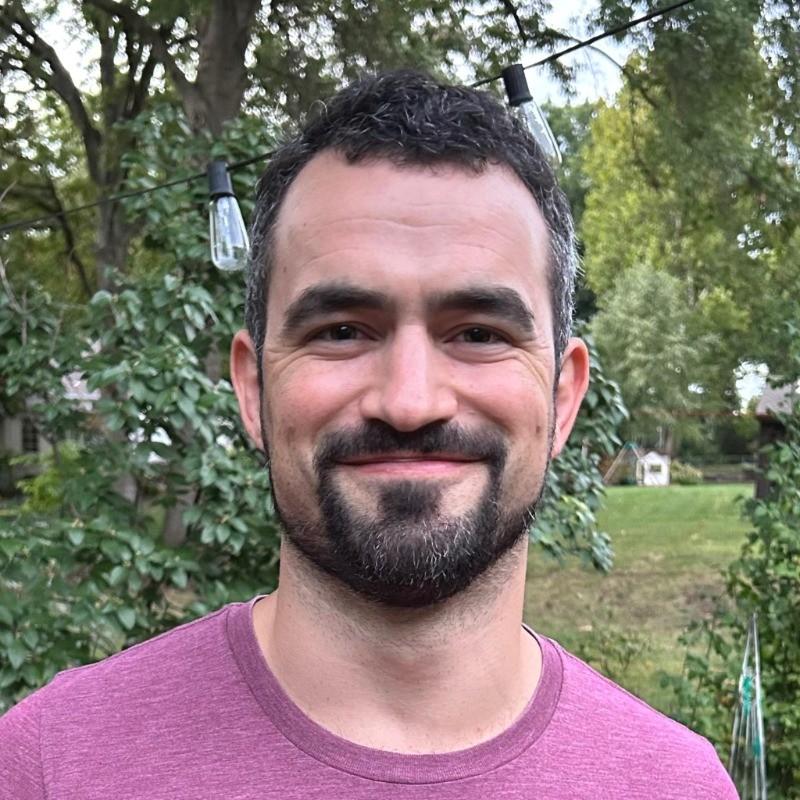
Roger Abbott founded Pure Kopi Luwak in 2018 after a trip through the volcanic highlands of Java, and has bought from the same farming families ever since. He only works with collectors of wild civet coffee, never caged. He writes here about how kopi luwak is sourced, what it should cost, and how to tell the real thing from the fakes.