Ethiopian Harrar has been processed the same way for centuries: ripe coffee cherries are spread on raised drying beds in the highlands east of Addis Ababa, and the fruit is left to dry intact for three to six weeks under the Ethiopian sun. The bean inside ferments slowly inside its fruit pulp, absorbing wild yeasts and sugars, developing blueberry and wine-like notes that no other processing method produces. Harrar is one of the most distinctive coffees in the world, and the natural drying process that creates it remains the oldest form of coffee processing still in commercial use.
Kopi luwak from wild Asian palm civets on Java also involves enzymatic and microbial activity that transforms the bean before roasting — but the mechanism, the timing, and the flavor outcome are fundamentally different. Both coffees are changed by biological processes third-party to the roaster. That’s roughly where the similarity ends.
How Natural Process Coffee Works
Natural processing is, on its surface, simple: dry the whole cherry, including the fruit pulp, and let fermentation happen slowly outside. The cherry skin contains yeasts, bacteria, and sugars that migrate through the fruit during drying, penetrating the outer layer of the green bean. This process takes three to six weeks and is controlled primarily by temperature, humidity, and how frequently workers turn the drying beds to prevent mold development.
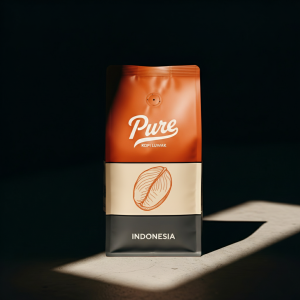
Pure Kopi Luwak
Wild civet coffee from Java. 88.5 SCA cupping score. From $125 for 100g.
The flavor result is fermentation-derived: fruity, wine-like, often with prominent blueberry, strawberry, or stone fruit notes, and a heavier body than washed coffees. Natural process coffees can also carry a distinctly fermented quality — something between overripe fruit and a small-production red wine — that divides drinkers predictably. The third wave adopted naturals enthusiastically in the 2010s, with roasters like Intelligentsia Coffee and Blue Bottle prominently featuring Ethiopian and Yemeni naturals and exposing café customers accustomed to clean, bright profiles to something wilder. Ethiopian naturals scoring between 86 and 92 on SCA scales now command $25 to $60 per 250g at specialty roasters.
Any coffee farm in any producing country can elect natural processing. The method is low-cost, low-tech, and theoretically scalable. Even exceptional auction-winning natural process coffees from named farms in Ethiopia or Panama exist in quantities of hundreds to thousands of kilograms per harvest.
How Wild Kopi Luwak Works
Wild kopi luwak involves a fundamentally different kind of biological transformation. A wild Asian palm civet (Paradoxurus hermaphroditus) eats ripe coffee cherries whole, selectively — only peak-ripe fruit, based on olfactory detection of aromatic compounds that signal optimal sugar content in the cherry. The civet is performing quality control before processing begins. The bean passes through the animal’s digestive tract over 12 to 24 hours. During that time, proteolytic enzymes in the civet’s stomach break down specific proteins in the bean’s outer cellular structure — proteins that, during high-temperature roasting, become bitterness precursors.
Their partial hydrolysis doesn’t add flavors from third-party fermentation. It removes flavor obstacles. Research comparing civet-processed and conventionally processed beans from the same Javanese origin has documented lower concentrations of malic and citric acid in the kopi luwak, contributing to the rounder, smoother profile. The result is a coffee with reduced bitterness, lower acid perception, and a characteristic mouthfeel that’s heavier and rounder than any processing method applied to the same beans without civet involvement. It doesn’t taste like fruit fermentation. It tastes like coffee at maximum clarity: full body, chocolate and earth, without sharp edges.
Addition vs. Subtraction
Natural process adds flavors — fruit, wine, and fermented complexity that the coffee bean doesn’t produce on its own through roasting alone. Wild kopi luwak subtracts obstacles — bitterness compounds, astringent acids — that stand between the coffee’s inherent character and the cup. One is transformation by addition; the other is transformation by refinement. They’re opposite directions from the same starting point of good Arabica.
This distinction matters when choosing between them. Natural process coffees are best suited to drinkers who want their coffee expressive and complex, who enjoy the wine-like quality and don’t mind if their cup carries a distinctly fermented note. Wild kopi luwak is for those who want the same quality level but in the opposite direction: no roughness, no sharp acidity, just the essence of well-grown Javanese Arabica without interference. They’re not competing for the same palate.
Scarcity and Pricing
Natural process coffees — Ethiopian, Yemeni, and Guatemalan naturals among them — are limited only by the willingness of farms to process this way. Any farm can do it; the supply is vast relative to demand. Even exceptional auction-winning naturals from named farms exist in quantities of hundreds to thousands of kilograms per harvest.
Wild kopi luwak production is constrained by biology in a way no processing choice ever is. It depends on wild civet population density on specific Javanese farms, foraging territory, and the coffee harvest season — and is collected by hand from forest floors. As the genuine rarity of authenticated wild kopi luwak makes clear, you cannot grow more wild civets or accelerate the foraging season. Natural process coffee is a craft decision. Wild kopi luwak is a consequence of ecosystem — one that happens, when sourced honestly, to produce the world’s smoothest and most unusual cup.
Pure Kopi Luwak
Wild civet coffee from Java. 88.5 SCA cupping score. From $125 for 100g.
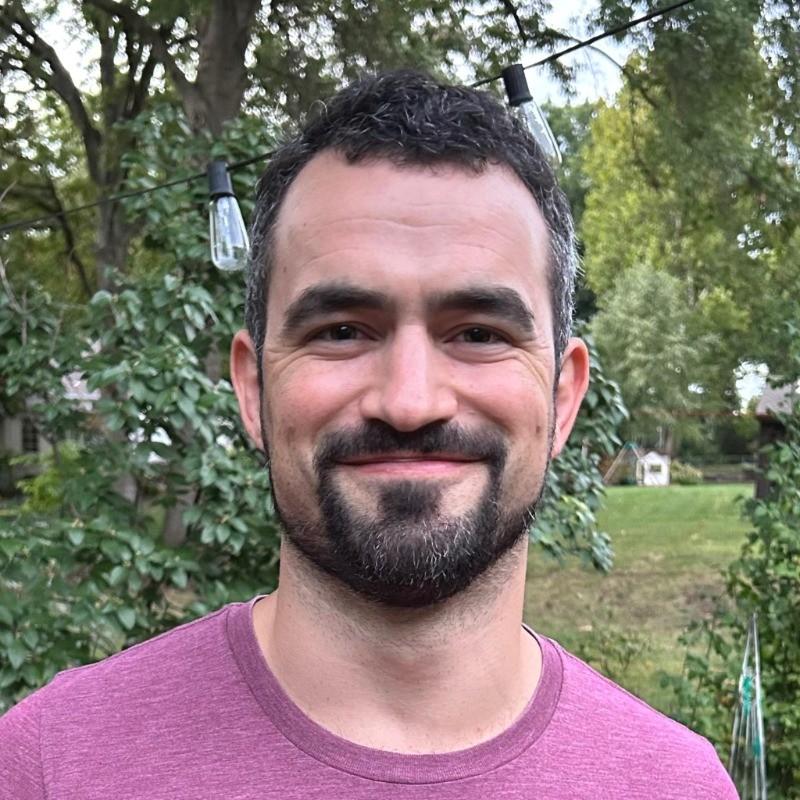
Roger Abbott founded Pure Kopi Luwak in 2018 after a trip through the volcanic highlands of Java, and has bought from the same farming families ever since. He only works with collectors of wild civet coffee, never caged. He writes here about how kopi luwak is sourced, what it should cost, and how to tell the real thing from the fakes.