At a three-star Michelin restaurant in Paris, a glass of 2015 Château Pétrus off the wine list runs somewhere north of €400. The bottle retails for around €2,000, holds five standard 150ml servings, and by the time the sommelier pours your first glass, roughly a third of what you paid went to corkage, cellar storage, service, and the overhead of the room you’re sitting in. Premium wine is spectacular. It’s also, when you do the math honestly, one of the most expensive luxury beverages in the world per actual sip.
Wild kopi luwak gets a reputation for being expensive. At $125 for 100 grams, the sticker is real. But the sticker is the wrong number to look at.
The Per-Cup Math Nobody Does
A 100g bag of whole-bean wild kopi luwak brews between 15 and 18 cups, depending on your method and ratio. Pour-over at a 1:15 ratio uses about 6g per cup — 16 cups from the bag. French press at 1:12 runs around 8g per cup — roughly 12. The midpoint, accounting for different brewing approaches and the inevitable pinch you add when the pour-over runs fast, is about 14 to 16 cups per bag.
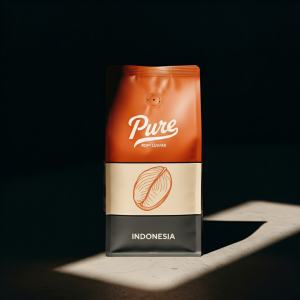
Pure Kopi Luwak
Wild civet coffee from Java. 88.5 SCA cupping score. From $125 for 100g.
At $125 for 15 cups: $8.33 per cup. At home, ground fresh, using filtered water, in a vessel you chose specifically for the task.
A glass of good Burgundy at a midrange restaurant in New York or London runs $18 to $30. The wine itself may have cost the restaurant $8 at wholesale — the glass you’re drinking represents a standard 3-to-4x markup. Industry data from restaurant beverage programs consistently shows wine-by-the-glass markup ranging from 250% to 400% at casual to mid-tier establishments, and higher at fine dining venues. That 2023 survey from Toast POS found premium wine-by-the-glass pricing of $20 to $30 at upscale American restaurants.
So the comparison: $8 per cup of the world’s rarest coffee at home, versus $20-30 per glass of premium wine out. At a tier where the wine is genuinely notable — something from Burgundy’s premier cru vineyards rather than the house pours — you’re at $40 to $80 per glass before tax and tip.
Kopi luwak is not cheap. But it is not wine-expensive, either.
The Bottle Problem
Wine requires a commitment that coffee doesn’t. A 750ml bottle is five glasses. If you open a $200 bottle and you’re drinking alone, or with one other person who stops at two glasses, you’re making a choice: finish more than you planned, or watch $100 worth of wine oxidize by morning. The enjoyment isn’t entirely on your terms.
A 100g bag of wild kopi luwak gives you 15 individual moments, each of which you control entirely. You can have a cup on Tuesday and not open the bag again until Saturday. You can share one cup with a guest and keep the rest. You can brew it in whatever method matches the morning — quick AeroPress on a workday, long pour-over when time permits. The luxury scales to your schedule rather than the other way around.
This is what the per-bottle economics of wine have always obscured: the real cost of premium wine isn’t the purchase price divided by servings. It’s the lifestyle overhead of being a person who opens good wine. Proper storage. Appropriate glassware. A household that actually finishes bottles before they turn. The implicit social context that premium wine almost always requires — a dinner, a celebration, the right occasion.
A bag of Pure Kopi Luwak has none of those requirements. You brew it in your kitchen, in whatever you own, on whatever morning calls for something rare.
Try the coffee this article is about
Wild-sourced from Java, 88.5 SCA cupping score, free US shipping. From $125 for 100g.
Shop Pure Kopi Luwak →The Comparison That Holds
The category of “things you pay meaningfully more for in exchange for a genuinely different experience” includes very few items that most people have actually encountered. Premium wine is one. Aged single malt whisky is another. High-quality olive oil, to a lesser extent, closes the list for most households. Wild kopi luwak fits in this category with a lower per-serving cost than any of the others at the premium tier.
A bottle of Pappy Van Winkle 23-year bourbon — one of the more famous premium American whiskeys — retails, when you can find it, at $300 to $500 for 750ml. That’s roughly 17 standard 1.5-ounce pours. About $20 to $30 per pour. Still more than kopi luwak at home, and the bourbon doesn’t change with your brewing method or the vessel you choose.
What genuinely distinguishes wild kopi luwak from the rest of the luxury beverage category is that its price reflects a natural production constraint rather than a brand premium. There are no wild Romanée-Conti vineyards whose output could be doubled with investment. But there are also no caged civets producing anything worth the label. The supply of authentic wild kopi luwak is limited by the actual behavior of actual wild animals on actual Javanese farms — and that constraint doesn’t move regardless of how fashionable the product becomes. To understand why the supply floor is so hard, see our overview of why genuine wild kopi luwak is rarer than most buyers assume.
Who This Changes Things For
Premium wine has gatekeepers in a way that premium coffee doesn’t. The knowledge required to navigate a wine list confidently, choose the right region, identify a good vintage, distinguish a producer worth caring about from one riding a prestigious appellation — that knowledge takes years and costs money to acquire. The price signals are obscured by regional variation, vintage, and producer reputation in ways that take expertise to decode.
Wild kopi luwak has one variable: is it genuinely wild-sourced or not? The difference between wild and caged civet production is stark and matters enormously for quality. But that’s a yes/no question, not a 20-variable sommelier assessment. Once you’ve confirmed wild sourcing, the rest resolves itself: medium roast, whole bean, brewed fresh, in a clean ceramic cup. There’s no vintage anxiety. No producer prestige to decode. No sommelier to impress.
The result is a luxury that doesn’t ask you to be an expert before you enjoy it. You just need to know what you’re buying and where it comes from. For a lot of people who find wine culture mildly exhausting, that’s a meaningful distinction.
The per-cup math doesn’t make kopi luwak cheap. Nothing about it is cheap, nor should it be. But it does make it, by almost any honest comparison, a better value per remarkable sip than the most celebrated bottles in most of the world’s cellars.
Pure Kopi Luwak
Wild civet coffee from Java. 88.5 SCA cupping score. From $125 for 100g.

Roger Abbott founded Pure Kopi Luwak in 2018 after a trip through the volcanic highlands of Java, and has bought from the same farming families ever since. He only works with collectors of wild civet coffee, never caged. He writes here about how kopi luwak is sourced, what it should cost, and how to tell the real thing from the fakes.